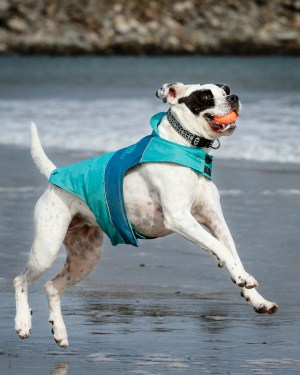

Up to this point we have chosen shutter speed settings based on freezing subjects, although this provides the sharpest image there are times where we may want to show some motion by allowing movement to be blurred which is the creative aspect of shutter speed.
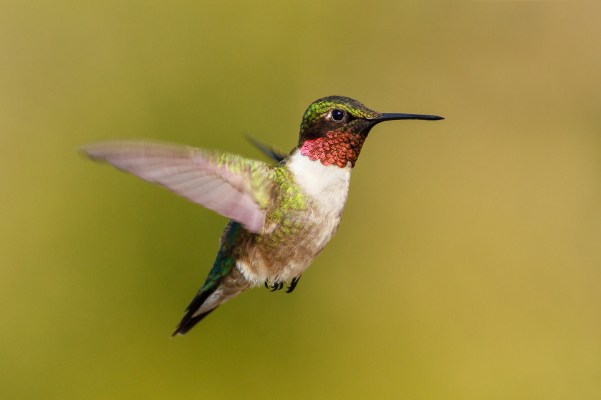
f/6.3, 1/1000, ISO 400, @ 400mm
Even with fast shutter speeds with the intention of freezing the subject, very fast movement shows up as image blur. In the above image, the speed of North American humming bird wings average about 53 beats per second, that’s all the way down to all the way up 53 times. Notice that even at 1/1000 of a second shutter speed it is still not fast enough to freeze the motion of the humming bird’s wings. With the wings blurred the viewer feels a sense of motion. This is intentional as we want the viewer to see past the typical two dimensional photograph and feel more than just a bird suspended/frozen in mid air.


Setting a slow shutter speed for a waterfall is one of the first techniques that we learn as photographers, as seen in the images above the shutter speed on the left is 1/80 of a second which is a relatively fast speed for moving water. Notice the chaotic movement and definition with the water at 1/80 of a second setting. By setting a much slower shutter speed, in this case 20 seconds, the image on the right now reveals the background and there is definition in the edges of the water which now shows a creamy look representing the movement, projecting a more relaxing feeling when viewing the image. When choosing slow shutter speeds you need to stabilize your camera, typically by using a tripod.
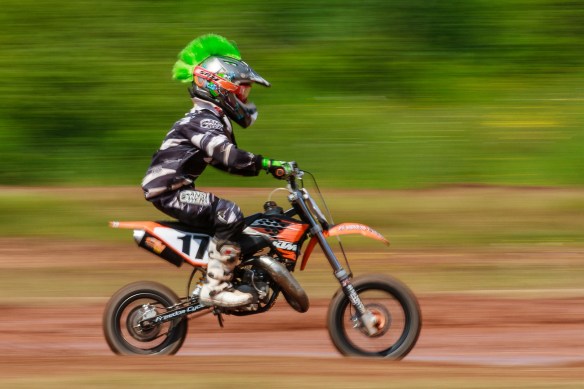
f/25, 1/30, ISO 100, @ 200mm
Another technique using slow shutter speeds for moving subjects is called “panning”. The difficulty is to obtain a low enough shutter speed, use the lowest ISO and a small aperture. The technique is to hold the camera steady while continually following the motocycle at the same speed while you press your shutter button. This technique gives the viewer a feeling of motion and of speed.
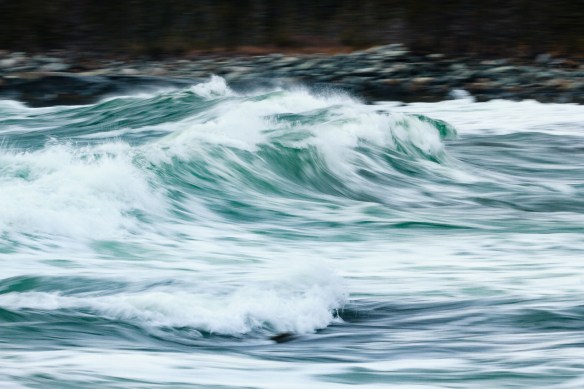
f/20, 1/15, ISO 100, @ 150mm
Using a tripod the panning technique can also be used with waves. The important technique here is to be at an angle of 90˚ to the water to follow the wave as it moves to the shore. Notice how the rugged shoreline is blurred and does not distract from the subject and the wave has pleasing smooth lines.
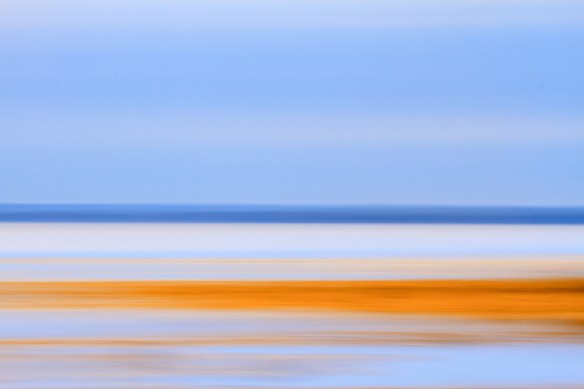
f/16, 0.6 sec, ISO 100, @ 150mm
If you are out late in the day or on a low light day, you may think there is not much to photograph. Get creative and try a panning image, again using a tripod, of the shoreline or at a beach, you may be surprised at the results.
Now that we have discussed the exposure and creative aspects of shutter speed, in our next lesson we’ll take a look at ISO.