April Theme Challenge – Intimate Landscapes

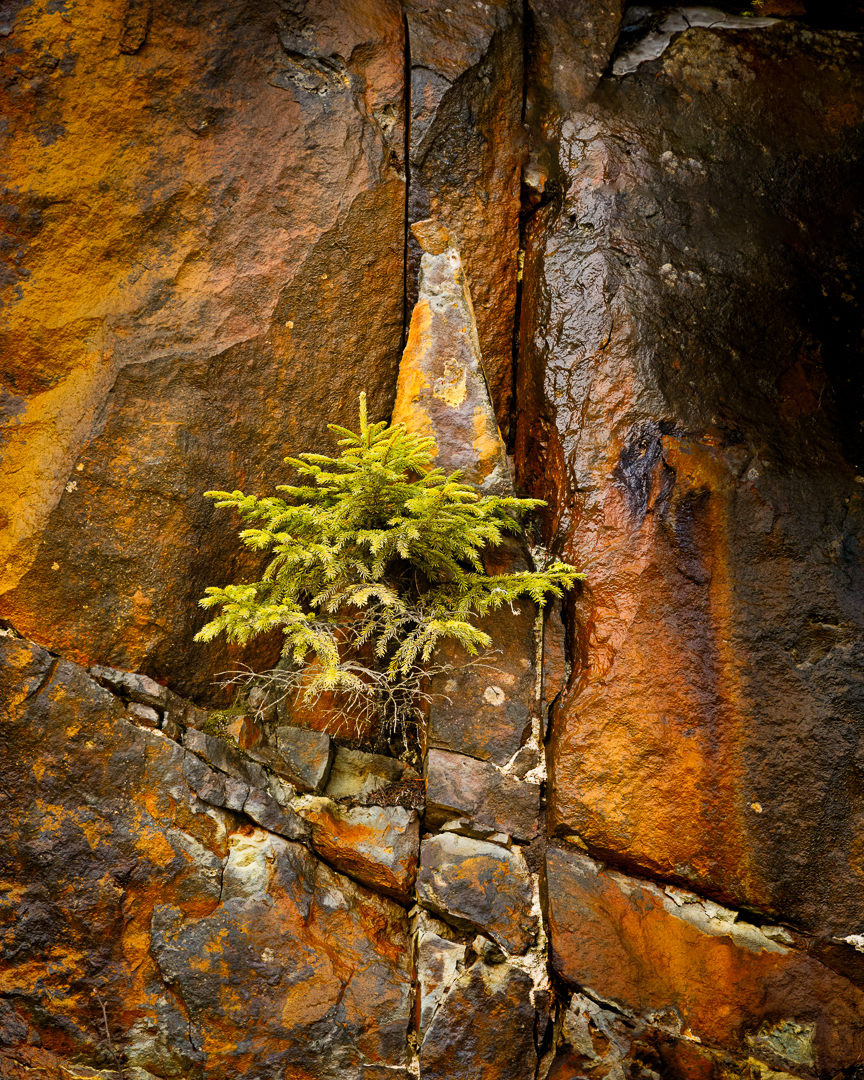
This month’s Theme Challenge, April 2026, is Intimate Landscapes. This challenge concentrates on Subject, Composition, and Story. Intimate landscapes are not macro images but close up minimalistic and sometimes abstract images of subjects with interesting shape and texture. Composition is important, consider your subject (including shape and texture) or story and then arrange the elements within the frame to create the strongest possible image.

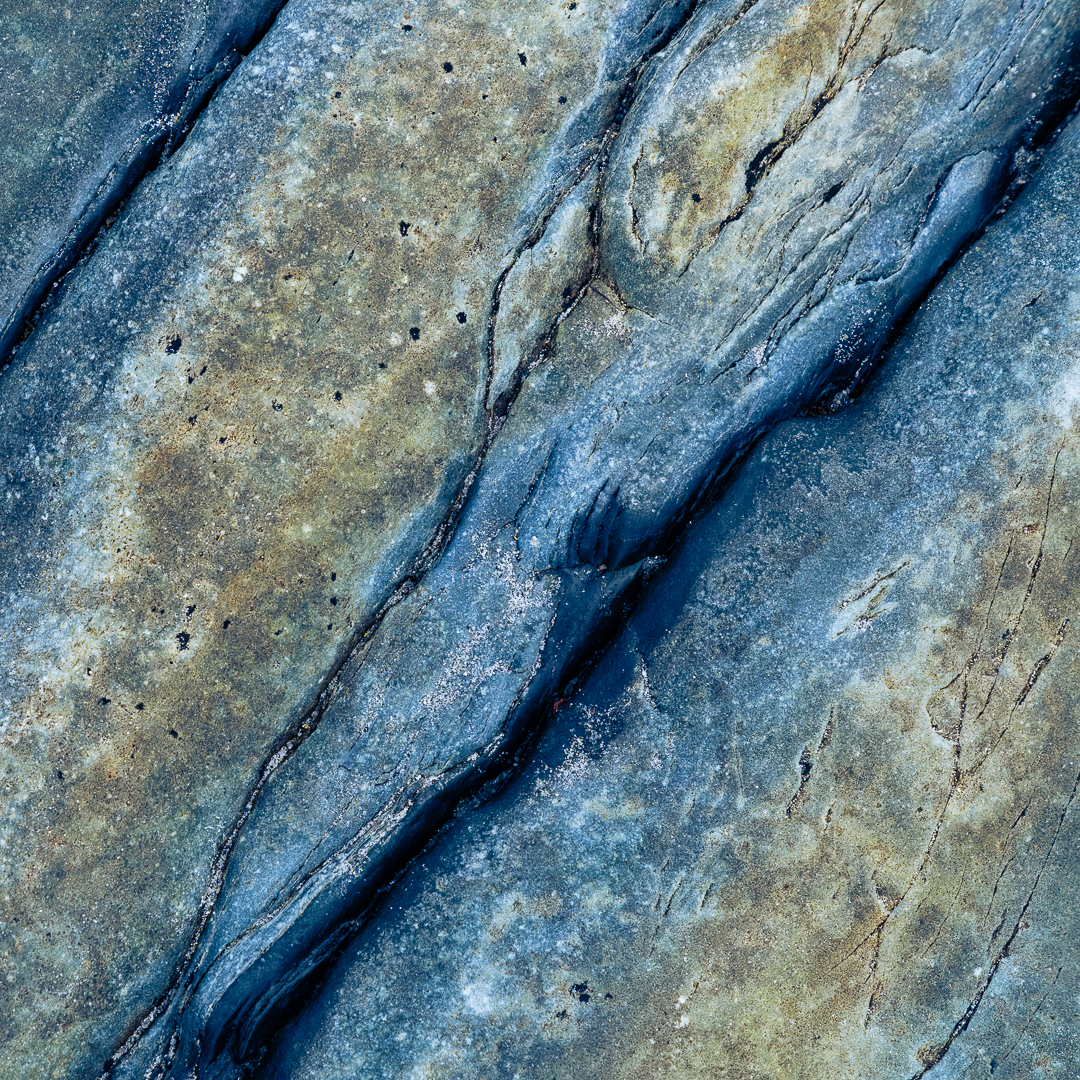
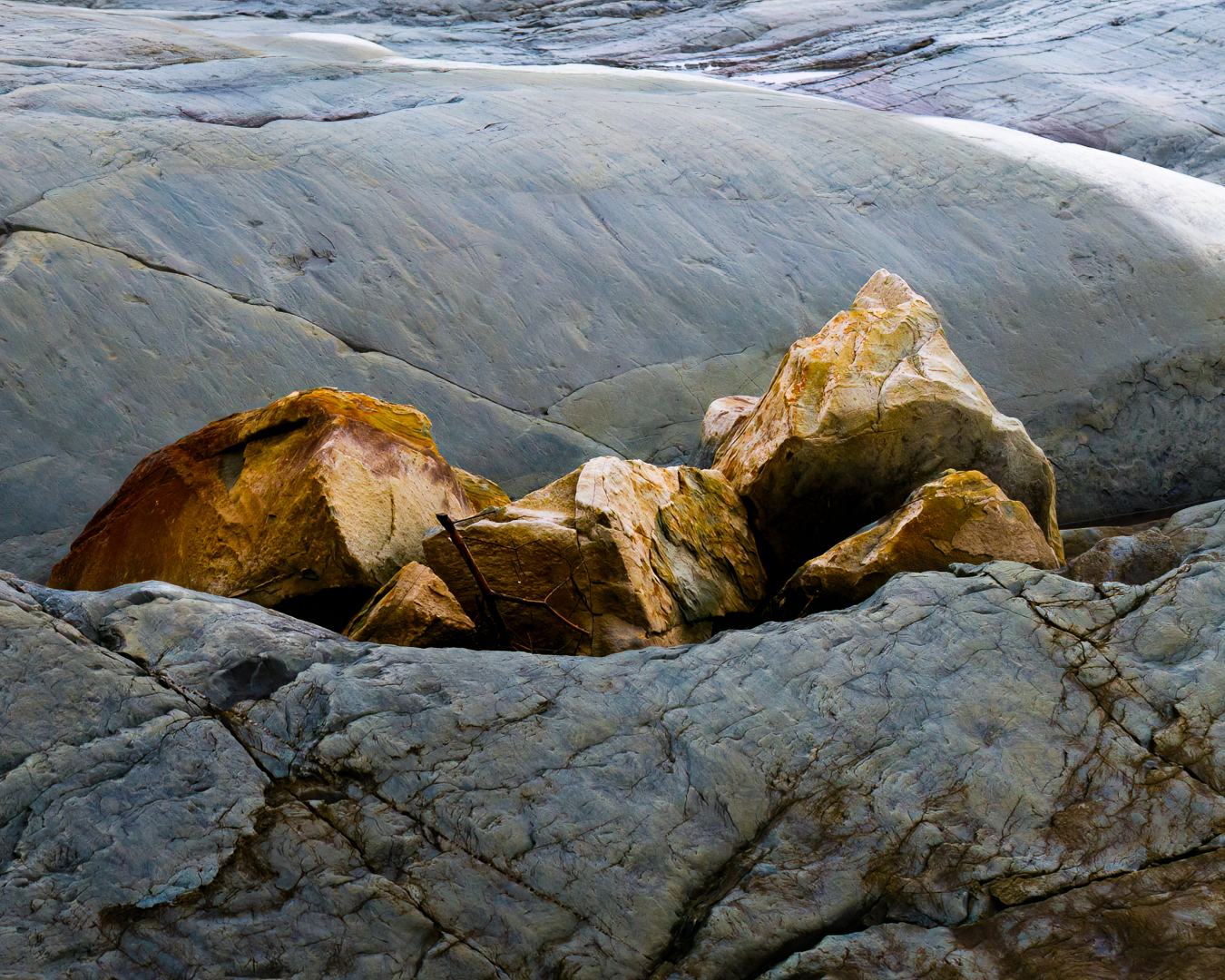
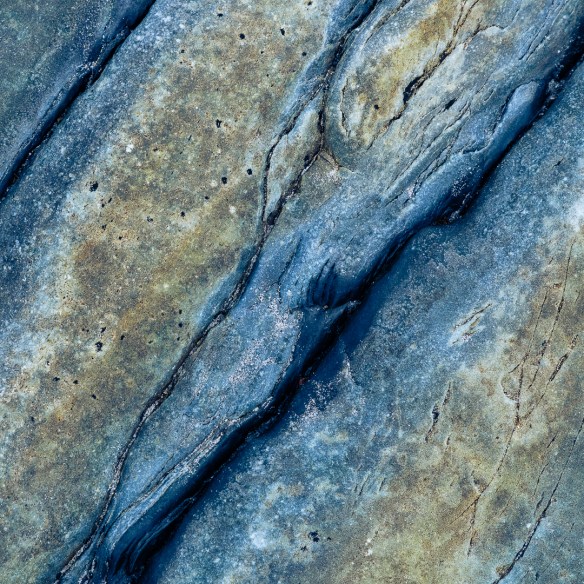
The image shown above, is a rock formation which abstract in my mind could resemble a northern gannet resting it’s head and beak laying on it’s back between it’s wings. Images may not always abstract; by framing the elements in a pleasing way, you can create a compelling, interesting image that makes the viewer wonder what they’re seeing.

Images can be created during soft or harsh light. It’s important to consider the direction (side light) and lower angle of light to bring out the texture of the subject. Warm light during sunrise or sunset can provide more saturated colour that could better suit your subject. Also consider using a picture profile (such as landscape or vivid) in your camera that provides a more saturated colour for your image. Get out and have some fun; practice by slowing down and looking for a subject that interests you, then make it stand out by giving more attention to composition and perspective.

Include us in where you went and what you found interesting or unique in your area, share some images you’ve created this month.


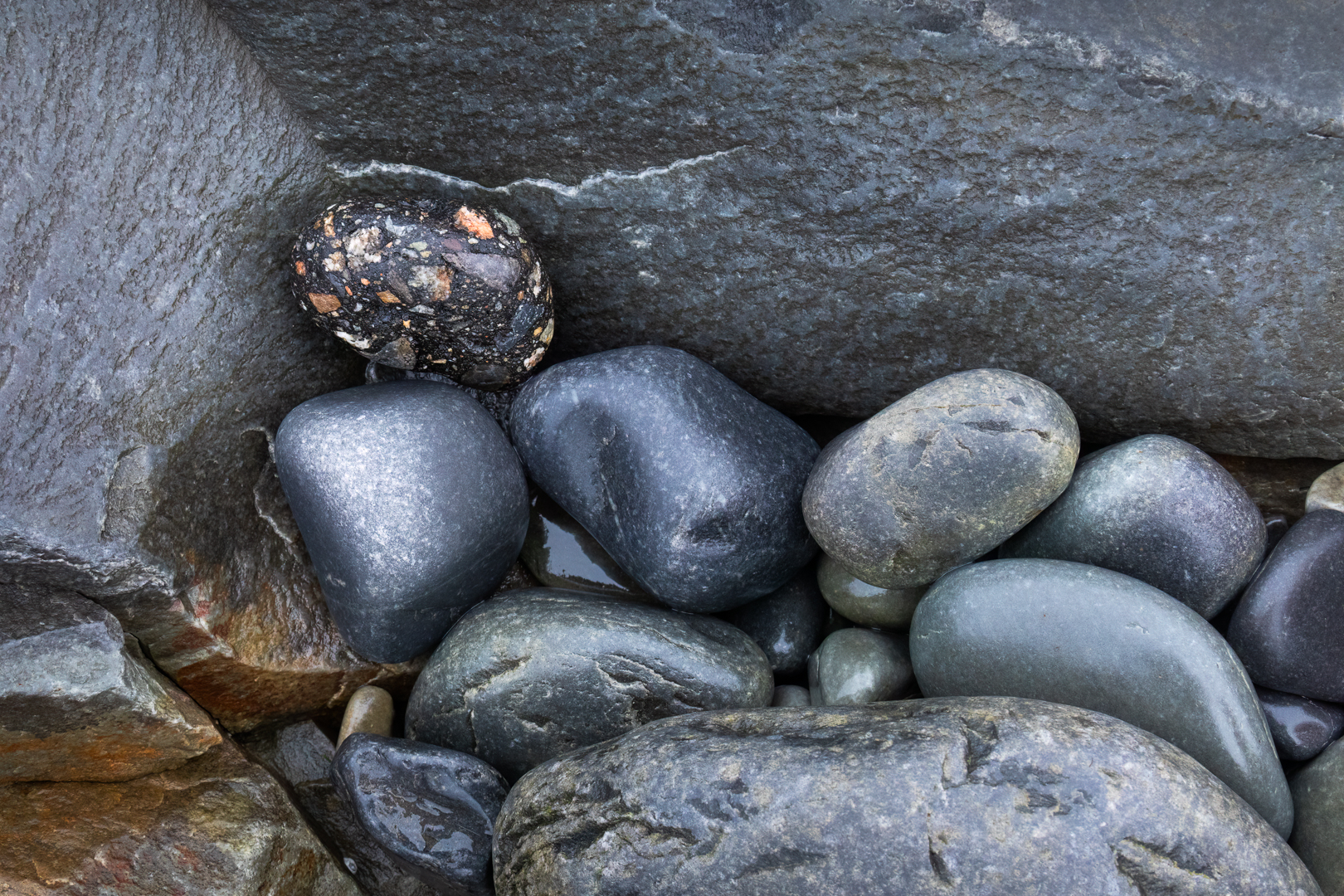
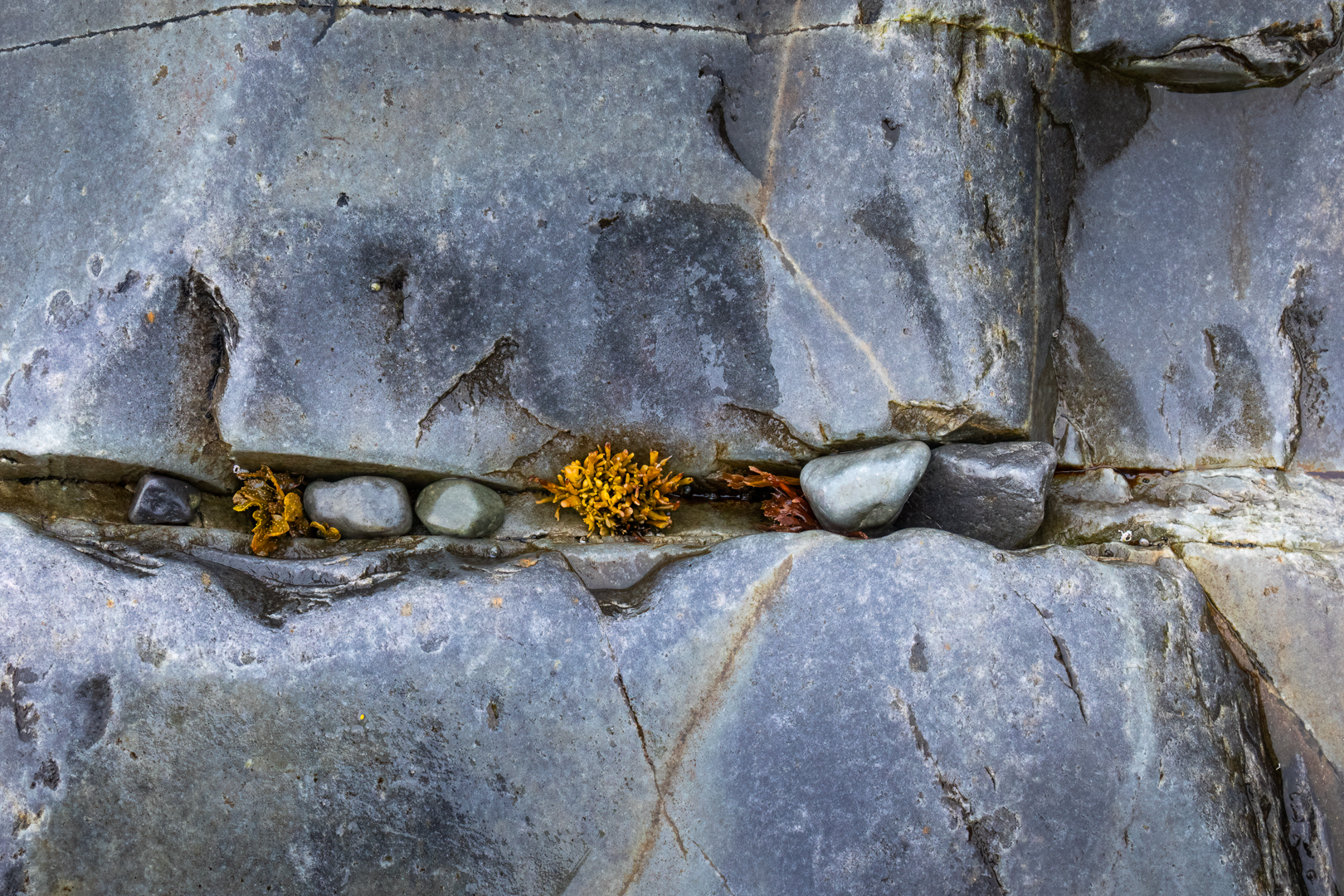
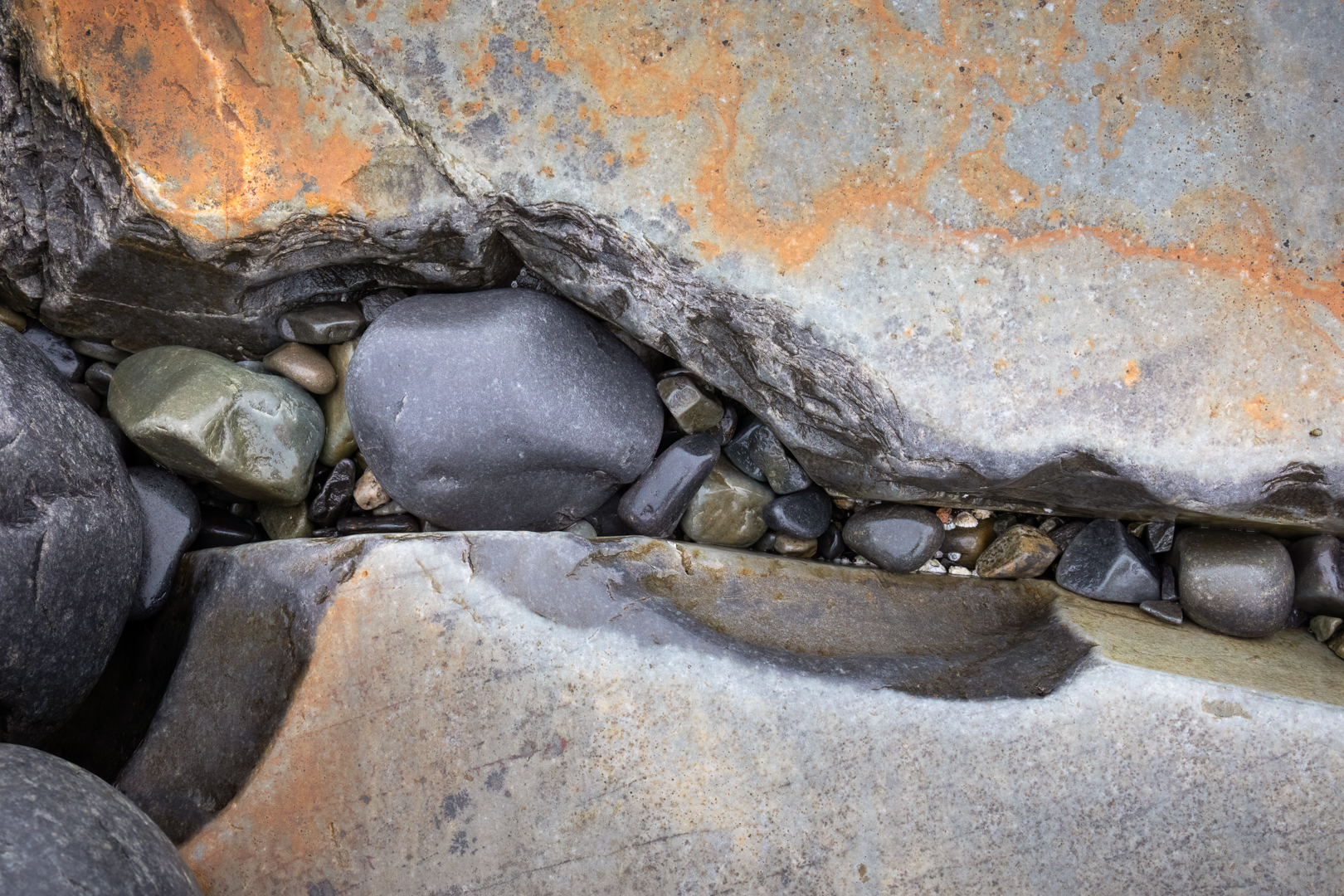
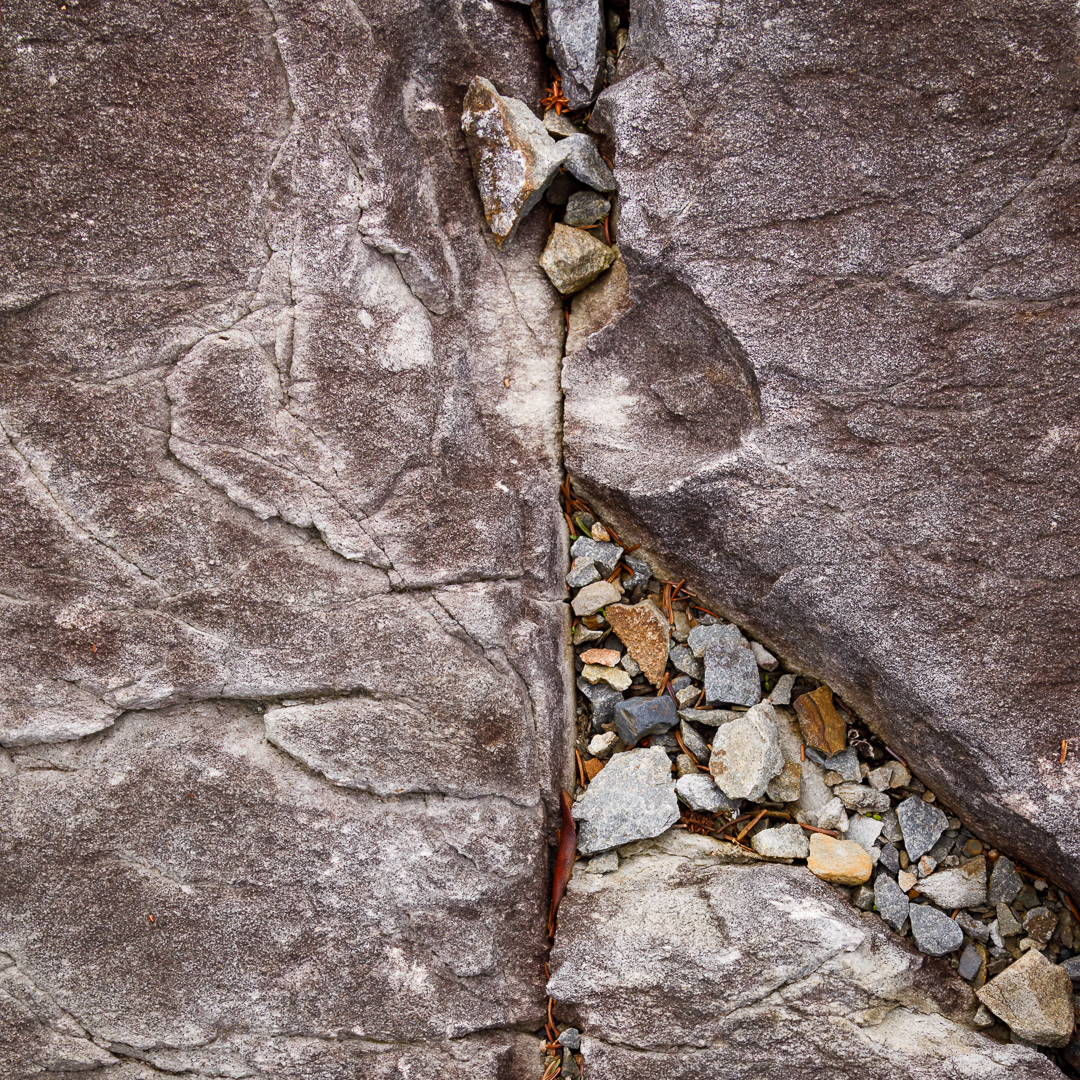
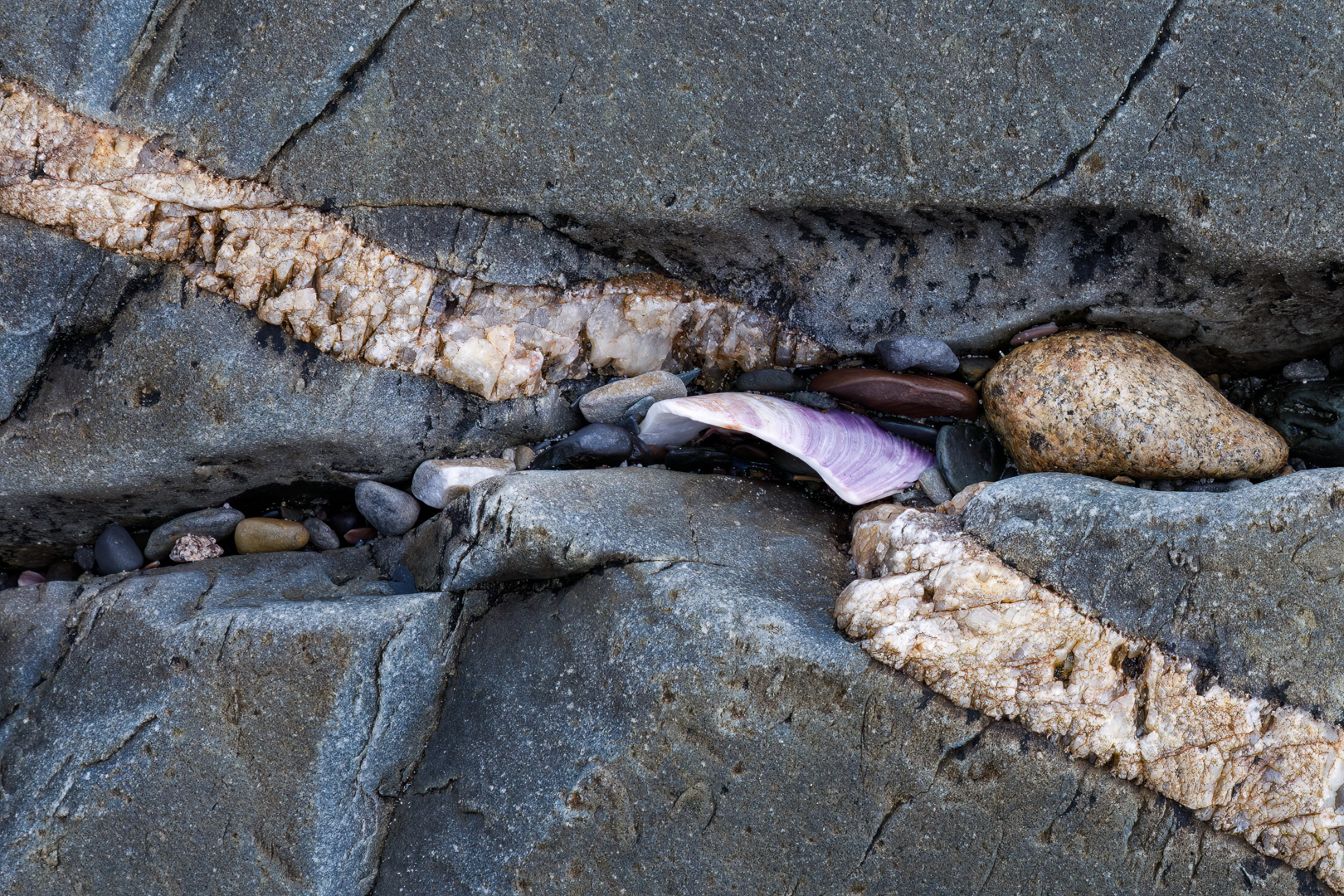
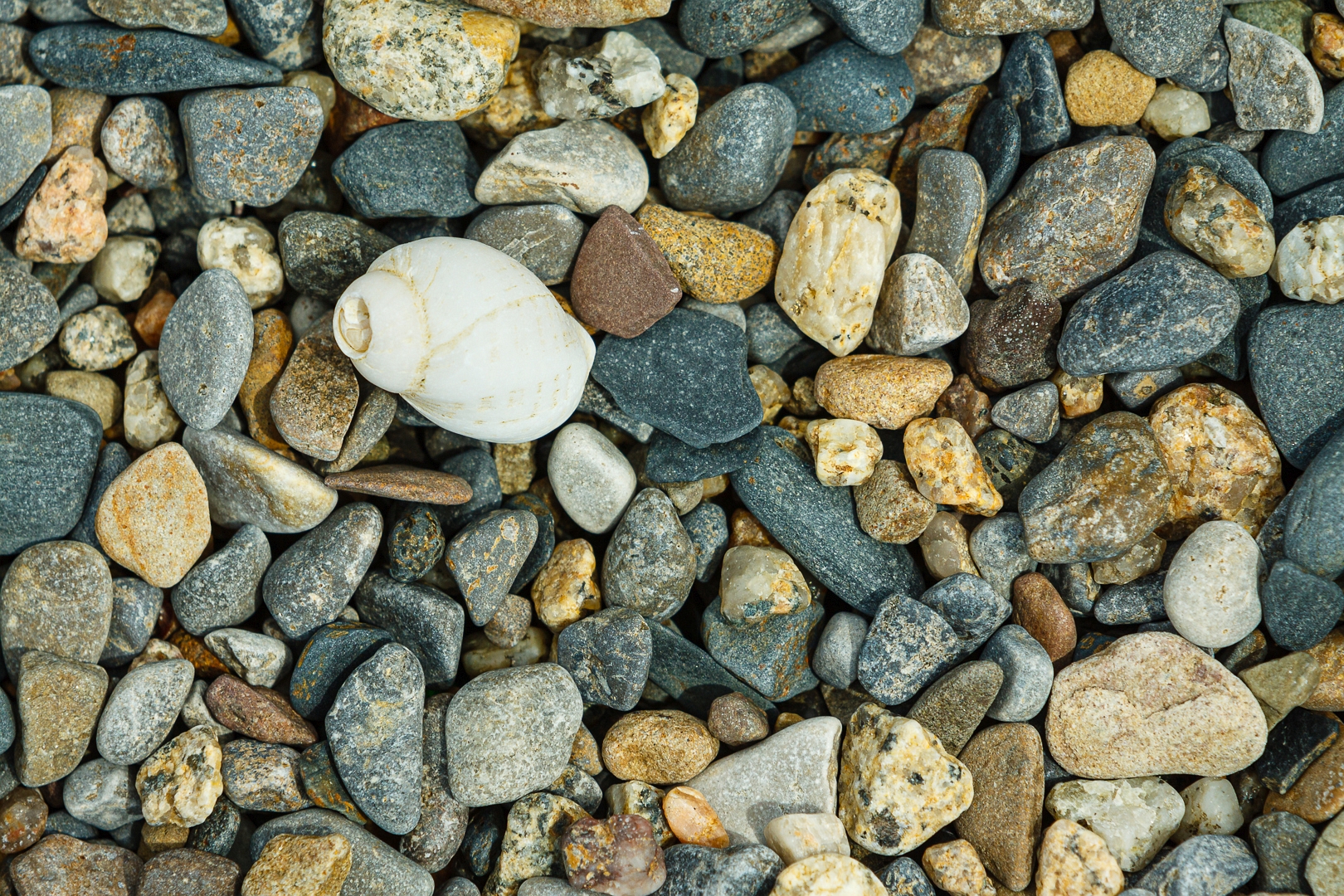
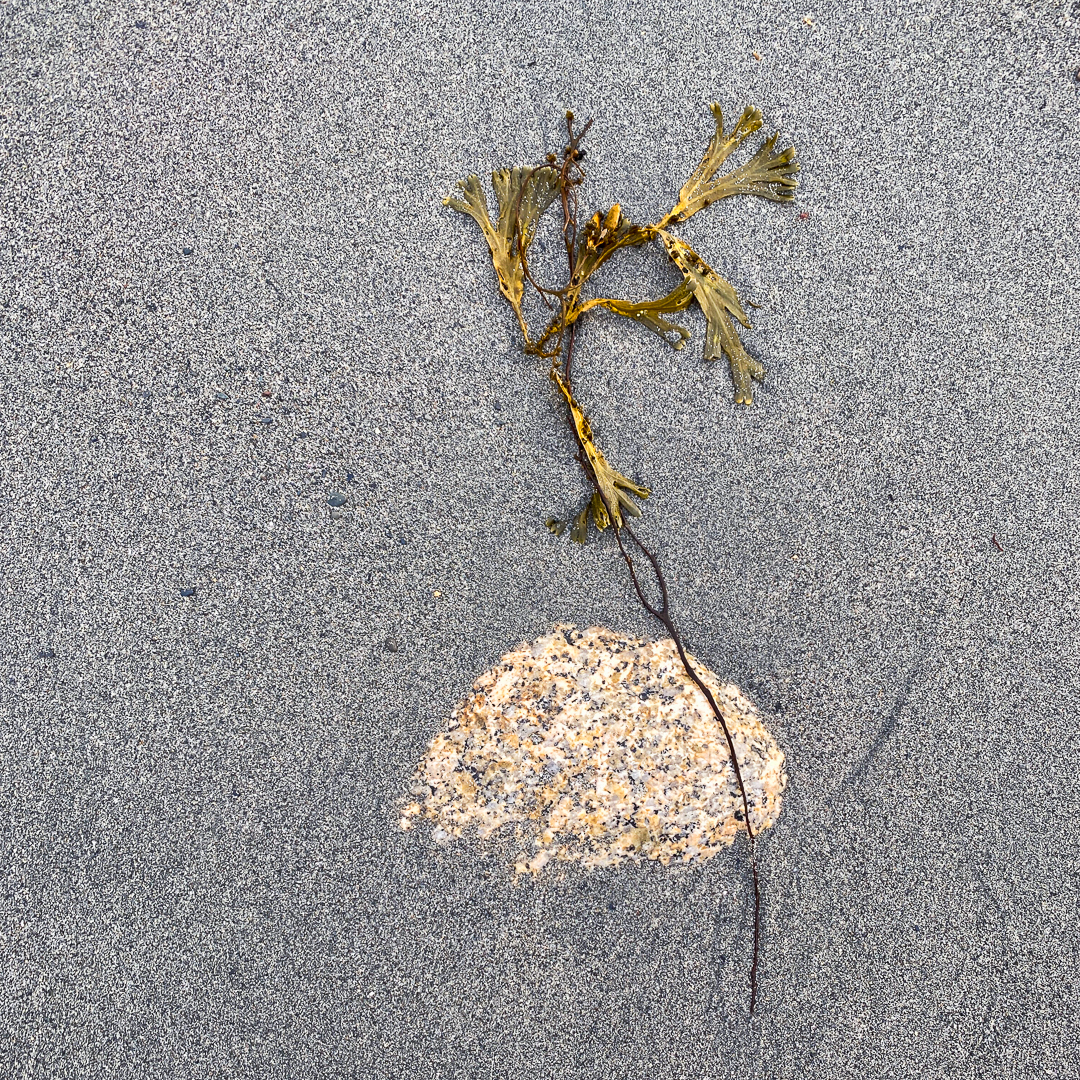
Rocks can be a very interesting subject, close up or further away, as seen from the examples below. The position and types of rocks and texture as well as intermixing of shells provides a wide variation of subjects.


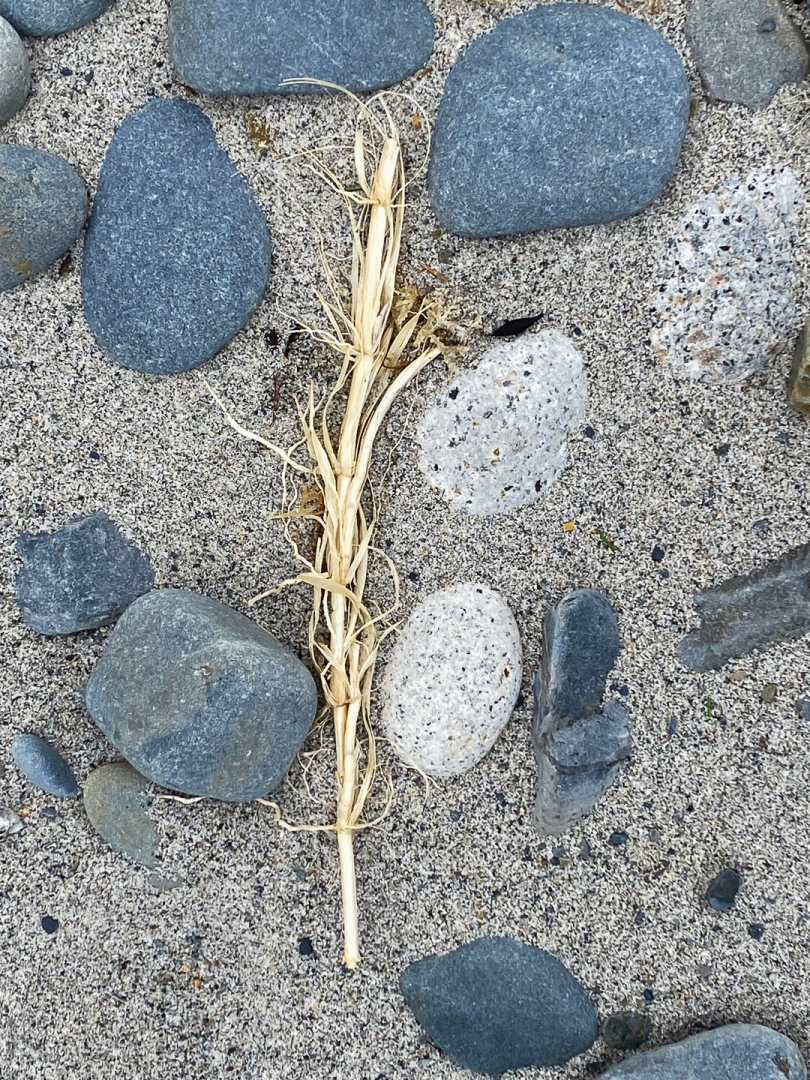
Go to a beach with sand or small rocks, use composition and perspective to simplify the randomness of the environment to help the subject stand out in your image.


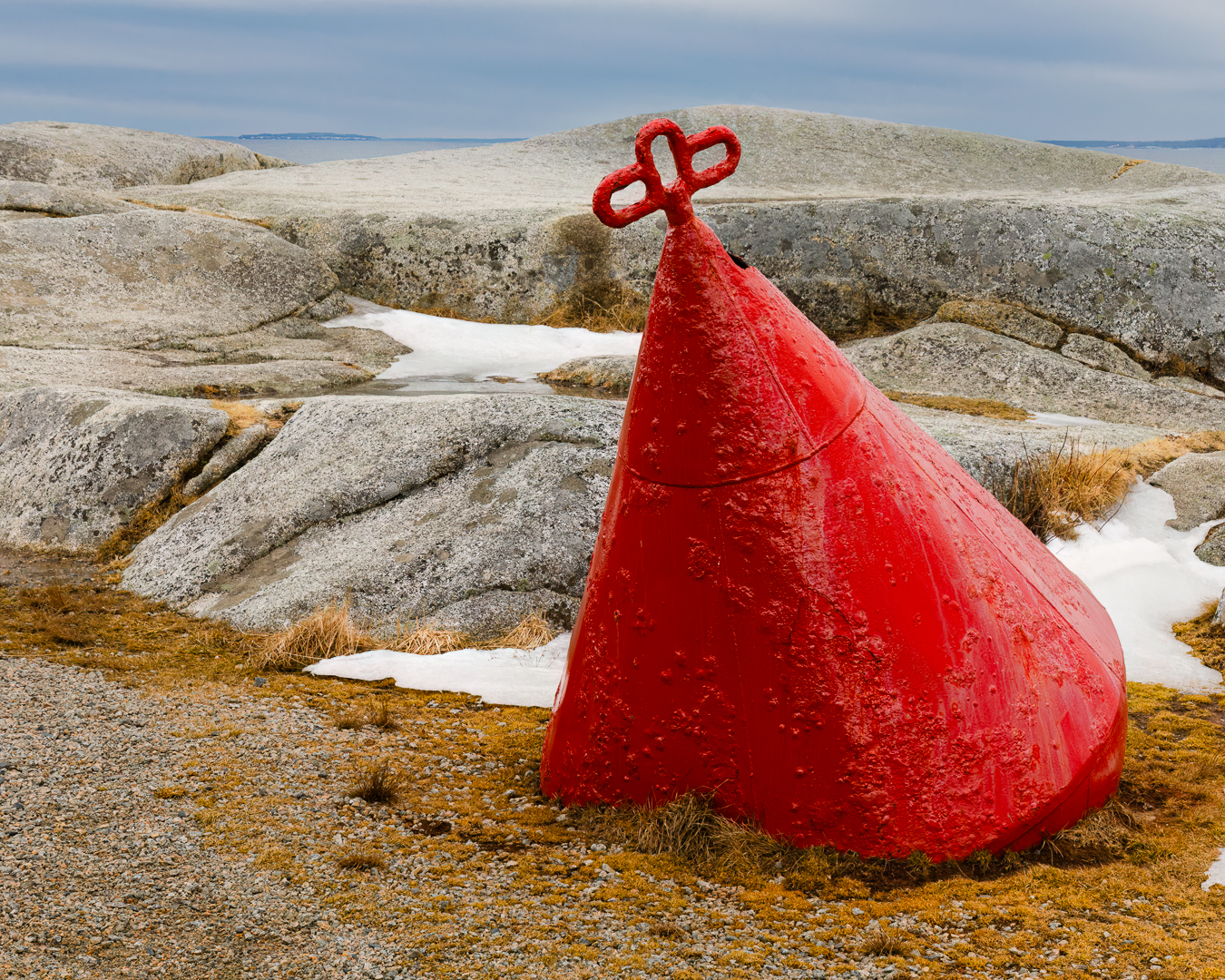
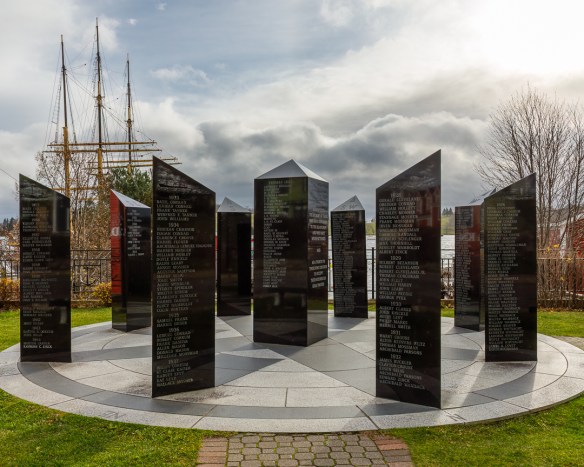
Capturing man made subjects from a different perspective can also provide interesting images. For example; an anchor which is usually on the bottom of the ocean or lake is not normally visible to us, however if we frame the subject on land in a different way we could possibly imagine what it would be like in it’s environment.


Additional Resources

As always with our monthly theme challenges we try to seek out additional instructional resources, below are some YouTube video links to help with some tips, hints and ideas:
Intimate Landscape Photography | Sculpted by The Sea: by Simon Booth (21min 41sec)
Minimal Landscape Photography | Photographing Intimate Scenes: by William Patino (15min 53sec)
5 Tips for Better Intimate Landscape Photos at the Coast: by Jason Friend Photography (11min 21sec)


You’re encouraged to develop the ability to “tell a story or invoke an emotion, as well as learn to plan and troubleshoot while creating images.

  • It’s important to not only create an image but to also include a “Title”, this process helps with; determining your subject or story, and composition.
  • Try writing a short paragraph about; how you came up with the idea, any interesting back ground that compelled you to make the image, and describe any techniques how you overcame any obstacles.
  • Do some research and include any relevant information behind the subject of your image. This helps with planning and your approach for a story

An important part of improving your photography; practice, practice, practice one of the important aspects of the monthly theme challenge, in addition you have an opportunity to learn about different genres, techniques and tips that you may not be familiar with.


Share your images and stories experienced this month

Even though this website is not setup to directly upload your images, you can achieve something similar by commenting on the post; paste your social media or google drive link to your image in the comment, then type any additional message you’d like to share. Everyone who visits will be able to visit your link. Note comments are moderated so it will not show up right away. We do get notifications when any comment is posted, so it won’t take long to get approved and have your comment subsequently show up. By pasting your social media or google drive link in your comment, it gives everyone visiting the blog a chance to click the link to see your image for the challenge and also the ability to look at your other work by viewing your social media through your pasted link. We want sharing to be a positive experience and we hope you have fun with this month’s photo challenge.

October Theme Challenge – “Long Exposure”

For this month, October 2025, the theme challenge is “Long Exposure”. This month’s challenge is intended to get you out doors to create some images showing motion which creates a calming feeling for your viewer. A Long Exposure is considered to be a photograph that uses a longer than usual shutter speed typically slower than 1/30 of a second even up to as long as many minutes. The goal is to include stationary subjects combined with elements that move within your frame to provide the viewer with a feeling of movement and/or calm. To obtain slower shutter speeds requires reducing the amount of light reaching your sensor which can generally be achieved by shooting at a specific time of day or by using neutral density (ND) filters.

This will require a bit of planning but the effort you put in will be rewarding. Let’s see where you go and what you can create this month, then include us in your success, share the images you’ve created this month.


Some Considerations

Here are a few tips and camera setting suggestions to help with your success.

Long Exposure Photography:
■ Choose your subject and composition that supports your idea
■ Shoot early or later in the day to avoid the use of ND filters
■ Use a Tripod
■ Use a wired remote shutter
■ Consider your depth of field, remember it’s not just aperture, also consider focal length and distance to your subject to obtain a sharp image front to back.
■ Expose for the highlights
■ Some post processing maybe required to brighten the shadows unless you are creating a silhouette

Camera Settings: Typically these types of images require the use of Manual Mode. Start with your shutter speed that supports now much motion that you want to obtain. Set the ISO at 100, then choose a Focal Length and Aperture that supports the required depth of field. Then adjust your ISO to obtain the required final exposure. Use a tripod and remember to check your image to make sure your intended main or supporting non-moving subject is sharp.


Example Images

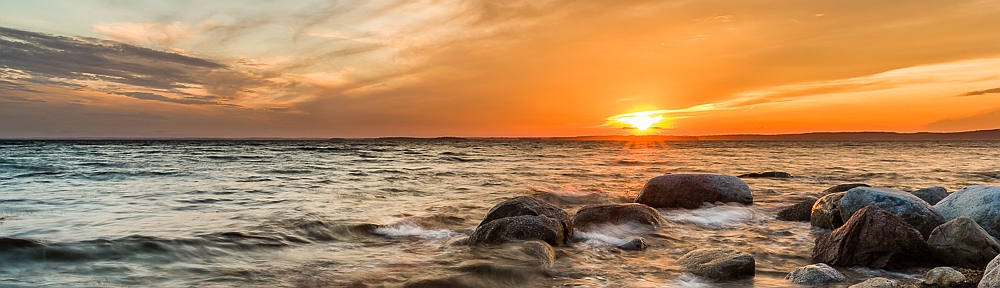
At The Beach: Below are examples of using a long exposure to show the motion of the water as it wraps around rocks or recedes from the beach back to the ocean. The shutter speed for these types of images range from .5 seconds to 2 seconds. The key to get the receding water is to wait until the water begins to recede then start push the shutter.


Light Trails: You can show a different type of activity in a city by capturing vehicle light trails as they move along the road. For your safety; avoid the known higher crime locations, go out with a buddy or in a group, and limit your gear.


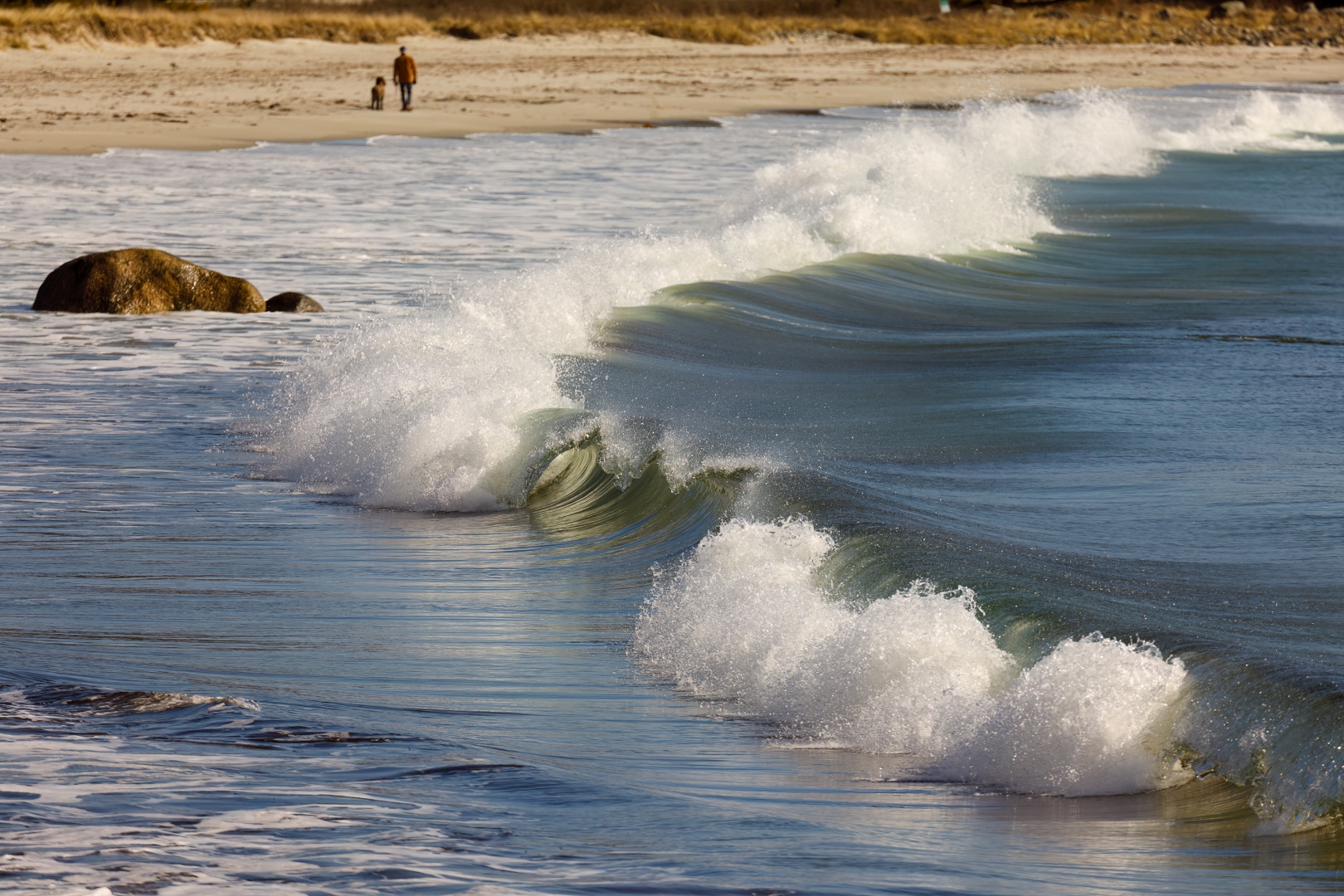
Panning: This technique is created by moving the camera in sync with the subject you are tracking with continuous focus. This technique takes some practice and requires you to use a shutter speed from 1/30 of a sec to 1/3 of a second then focusing on the subject while following the subject smoothly as the subject passes while shooting 3 or 4 frames. Depending on the situation and subject your hit rate may be low but when you nail the shot it’s exciting. You can pan other subjects too, can also pan waves.

You are not limited to what has been discussed here, there are other techniques such as “Intentional Camera Movement“, “Waterfalls“, even longer exposures to create “Minimalist” images as well as “Fine Art” images. Use your imagination and you will have a lot of fun.


Additional Resources

As always with our monthly theme challenges we try to seek out additional instructional resources, below are some YouTube video links to help with some tips, hints and ideas.
Long Exposure Photography instructional aids:
The Ultimate LONG EXPOSURE Photography Guide By: First Man Photography (58min 4sec)
Simple Tactics to Nail your Long Exposure Photography By: First Man Photography (27min 52sec)
How To Make LONG EXPOSURE Fine Art Landscape Photography By: Mads Peter Iversen (13min 18sec)
Being Creative With Motion Blur In Photography By: The Photographic Eye (17min 47sec)
How to Photograph Waterfalls – Landscape Photography By: Jeffrey Tadlock Photography (20min 09sec)


You’re encouraged to develop the ability to “tell a story or invoke an emotion, as well as learn to plan and troubleshoot while creating images.

  • It’s important to not only create an image but to also include a “Title”, this process helps with; determining your subject or story, and composition.
  • Try writing a short paragraph about; how you came up with the idea, any interesting back ground that compelled you to make the image, and describe any techniques how you overcame any obstacles.
  • Do some research and include any relevant information behind the subject of your image. This helps with planning and your approach for a story

An important part of improving your photography is practice, practice, practice which is one important aspect of the monthly theme challenge, in addition you have an opportunity to learn about different genres, techniques and tips that you are not familiar with.


Share your images and stories experienced this month

Even though this website is not setup to directly upload your images, you can achieve something similar by commenting on the post; paste your social media or google drive link to your image in the comment, then type any additional message you’d like to share. Everyone who visits will be able to visit your link. Note comments are moderated so it will not show up right away. We do get notifications when any comment is posted, so it won’t take long to get approved and have your comment subsequently show up. By pasting your social media or google drive link in your comment, it gives everyone visiting the blog a chance to click the link to see your image for the challenge and also the ability to look at your other work by viewing your social media through your pasted link. We want sharing to be a positive experience and we hope you have fun with this month’s photo challenge.