
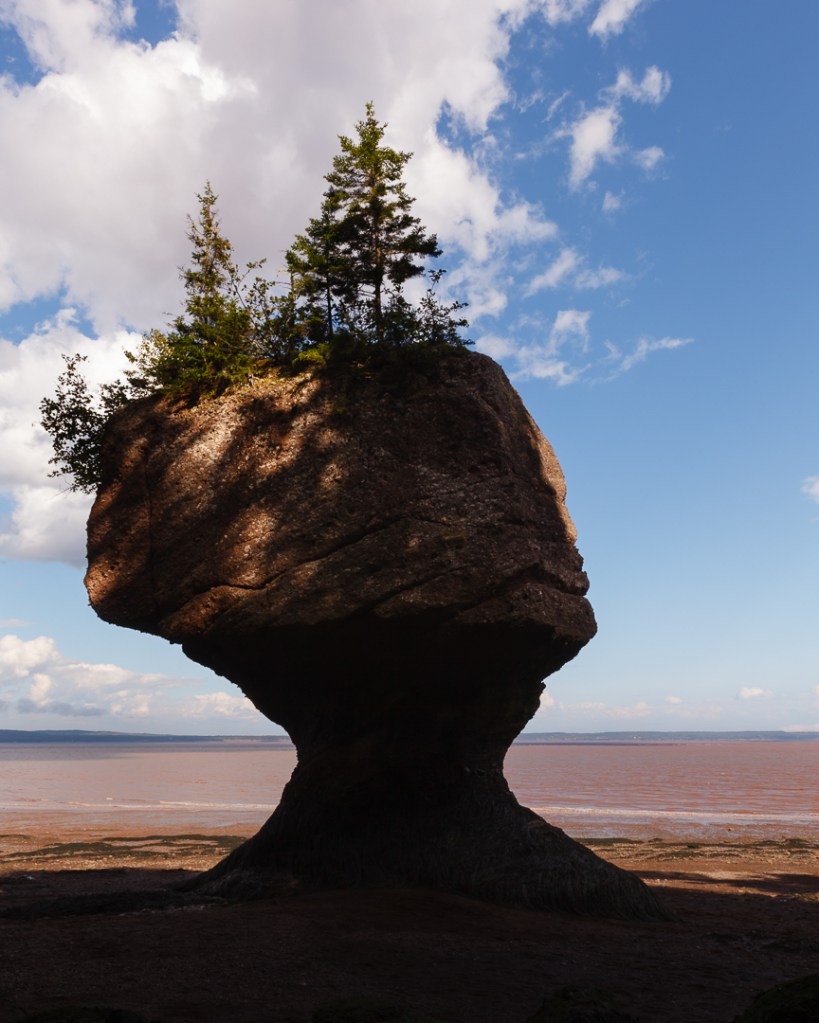
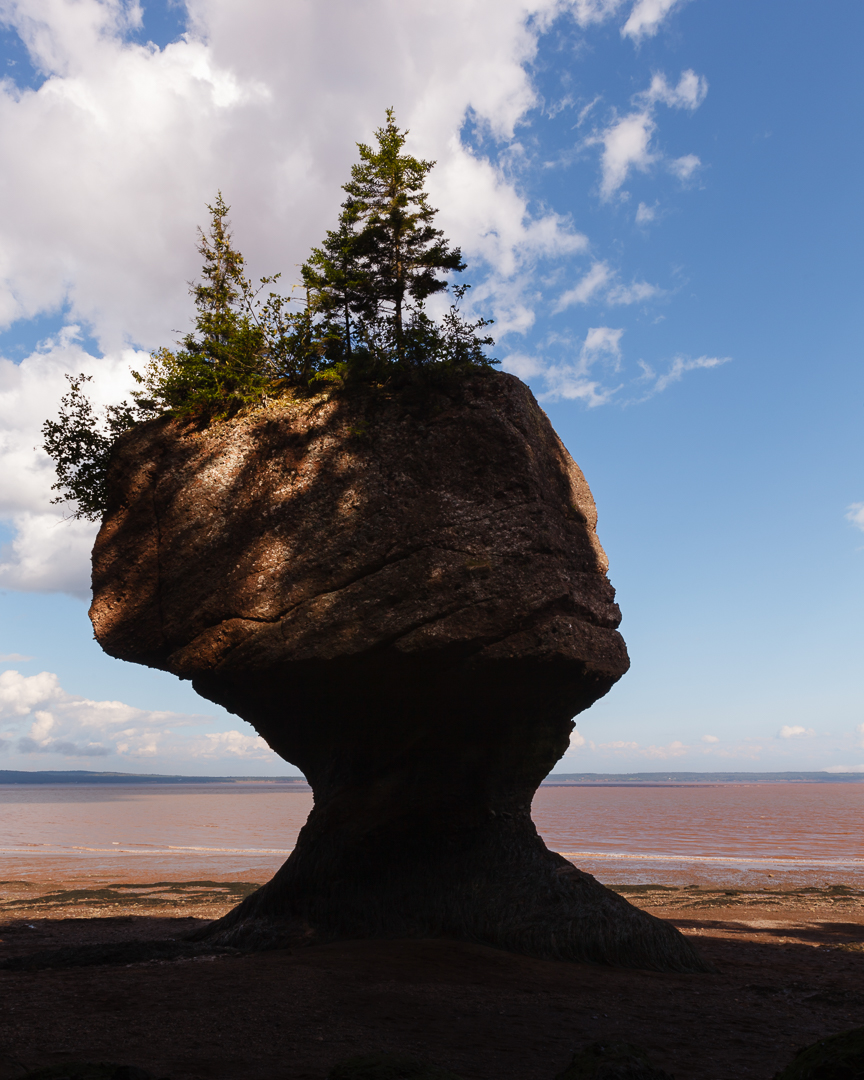
For this month, June 2024, the theme challenge is “Silhouette“, interpreted as a dark shape of something visible against a light background. This month’s challenge opens up many possibilities to interpret your subject concentrating on it’s shape standing out from the background. Typically this challenge will require you to be outdoors while concentrating on light, shadow, and shape which are three important concepts when considering composition of your images. Similar to last month, continue to learn to reduce your composition to make your subject stand out by excluding elements not wanted within the frame. You can choose to present your images in either Colour or Monochrome. The above image of a Flowerpot rock, at Hopewell Rocks Provincial Park in New Brunswick Canada, is typical of the many commonly referred to as “Sea Stacks” or “Flowerpot Rocks” at this location which are in shadow as the sun approaches the west direction during the mid afternoon to later in the day.
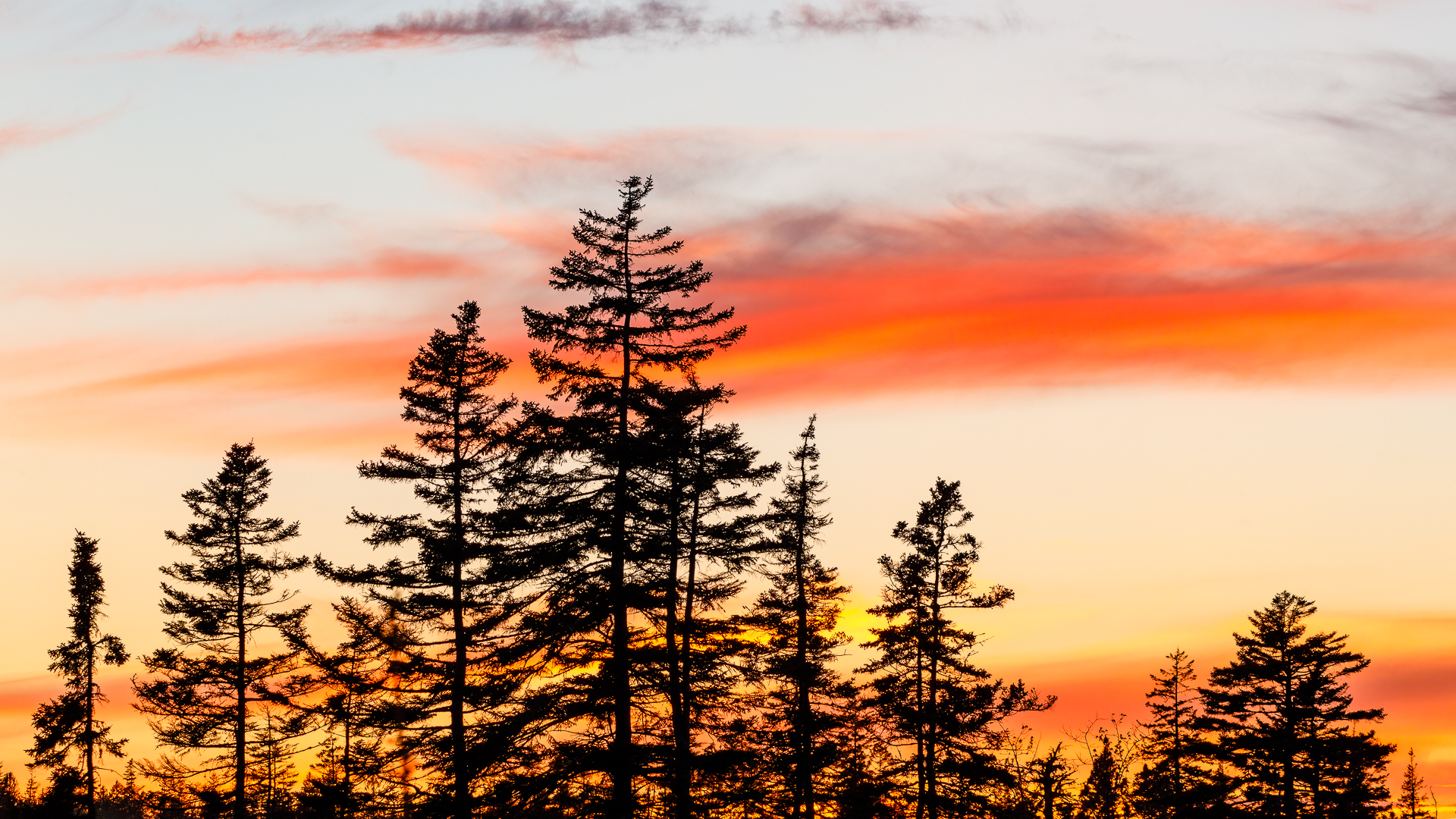
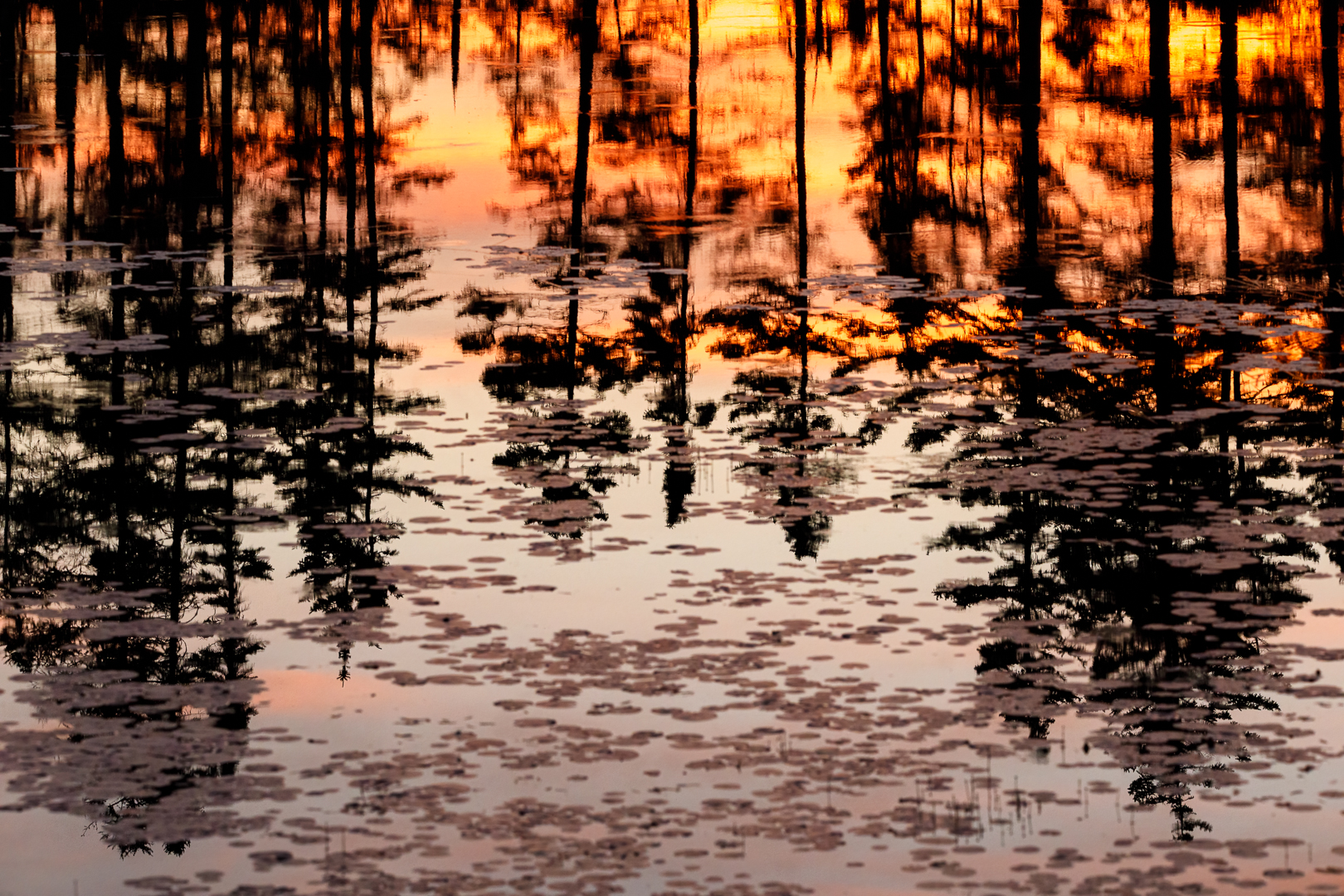
Observation: Typically you’ll be looking for a shape in shadow that stands out from your background such as the first image of the trees against the sunset background, however don’t limit yourself by the obvious. Slow down to take the time to view the scene in front of you and take notice if there is a different image to be captured. In the second image we see a similar but different image being reflected in the pond which also, because of the water, provides more contrast can enhance the image.
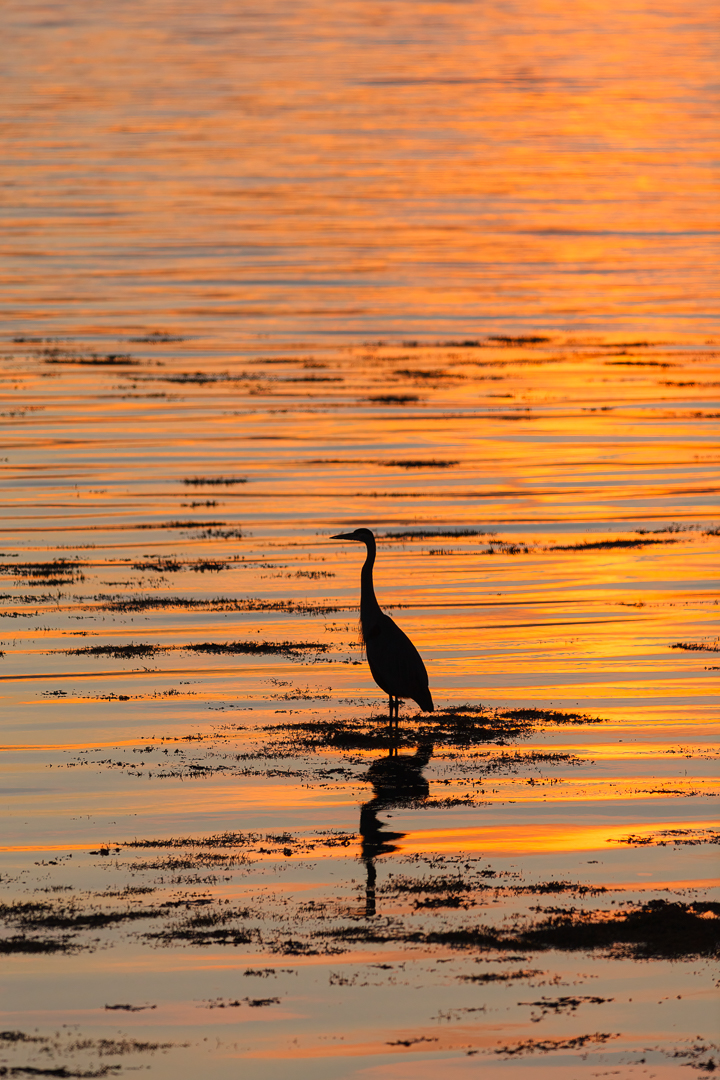
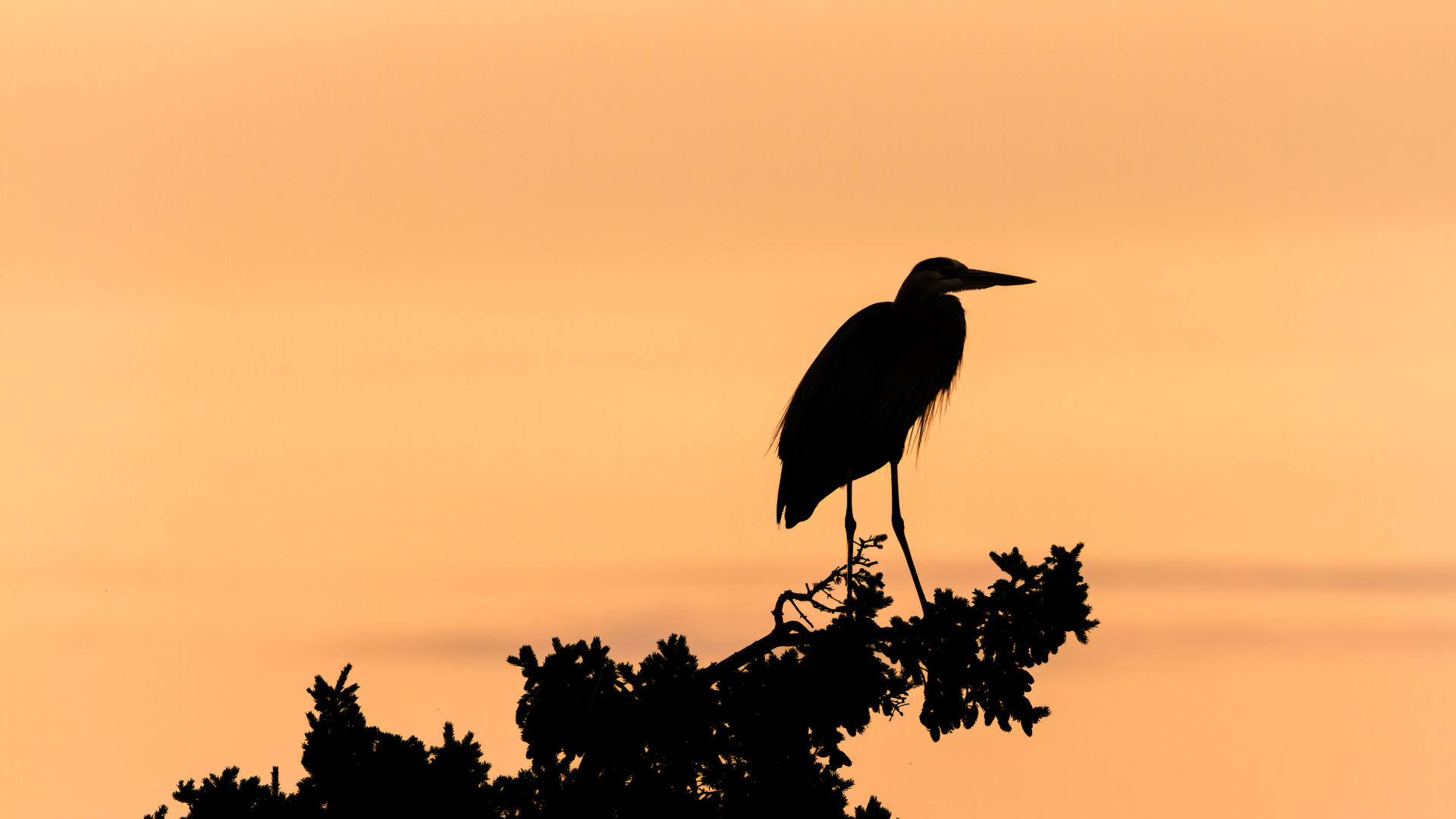
Low Light: Trying to shoot wildlife early or late in the day when there is not much light and when the subject is back-lit makes capturing a detailed image of the subject more difficult. By embracing the subject shape which uniquely defines it, we can use it’s silhouette to capture the image instead. This allows for enhancing the amazing colour in the sky or reflection during that time of day. In the first image of the Heron it shows the norm, scouring the shoreline looking for food. Look for something different or unique, in the second image we capture a not as often seen situation of the Heron up in a tree.
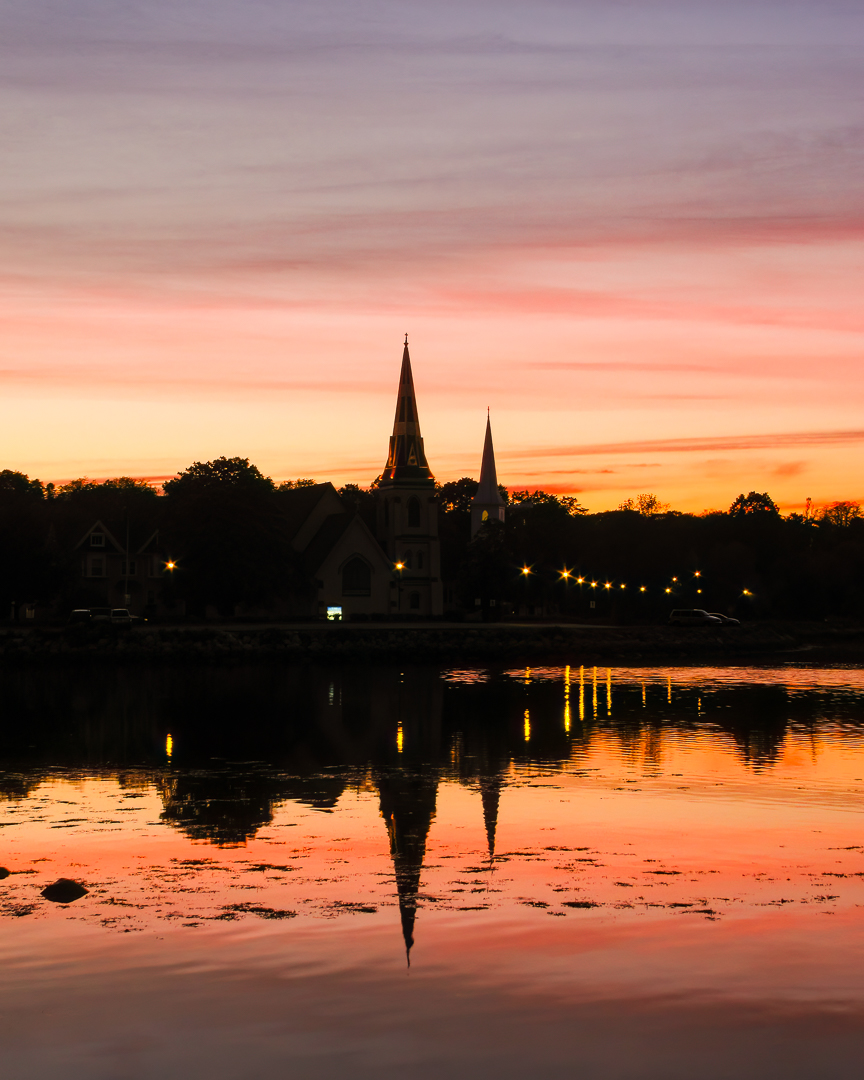
Travel: Visiting a location while away or near your area during sunrise, sunset or twilight is when you can typically find situations to shoot a silhouette. In the first image during civil twilight we see the steeples of The Three Churches in Mahone Bay Nova Scotia against the sunset light with a reflection in the bay, we also captured and included the street lights adding some depth to the image. The second image taken also during civil twilight is using the silhouette of the surrounding landscape to frame a section of the Reversing Falls in Saint John New Brunswick.

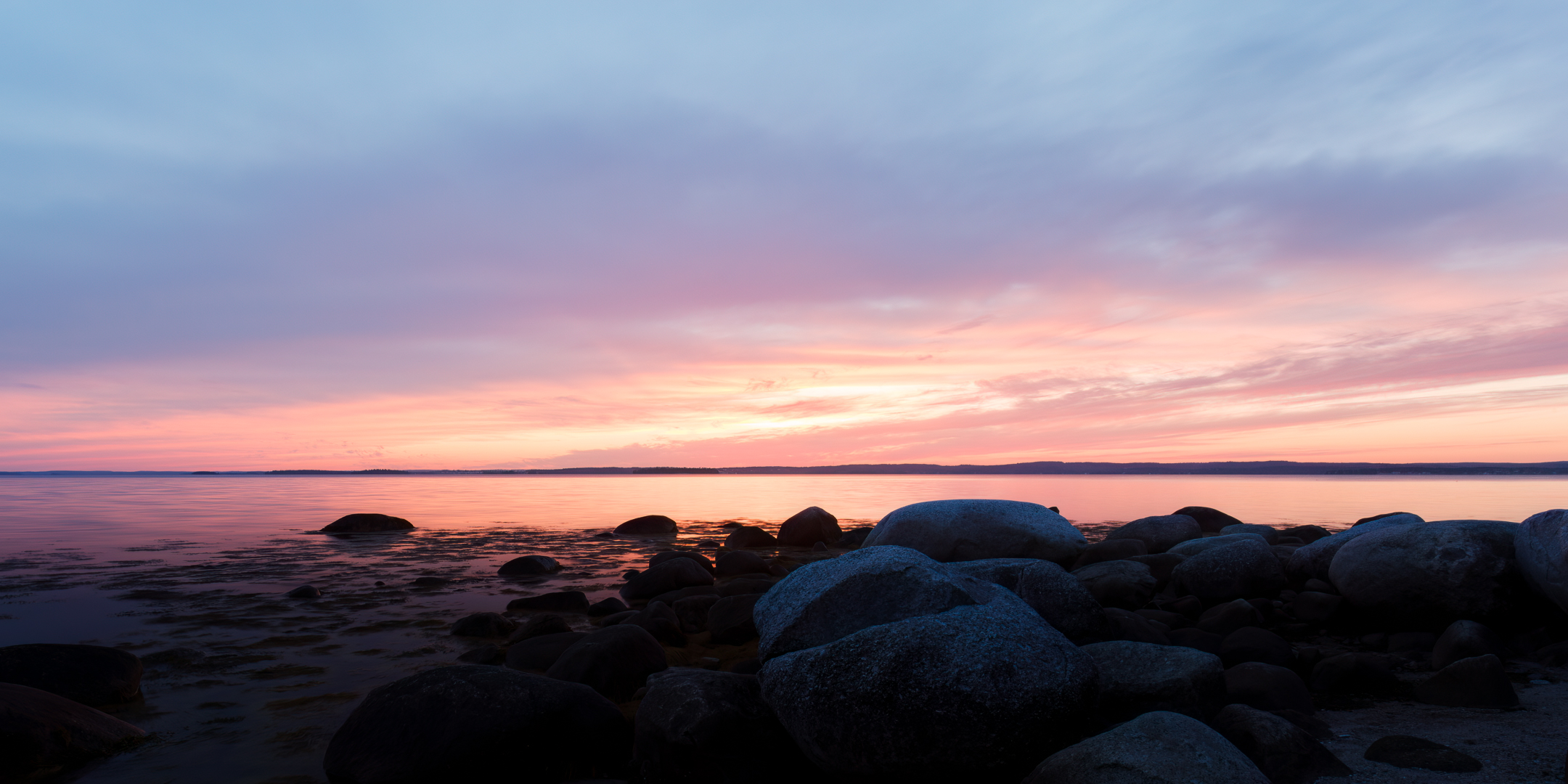
By The Ocean: Take in the the sunset or sunrise by the ocean there are many opportunities for silhouettes. In these situations typically the landscape is much darker due to the sunrise or sunset colourful light back-lighting the landscape.

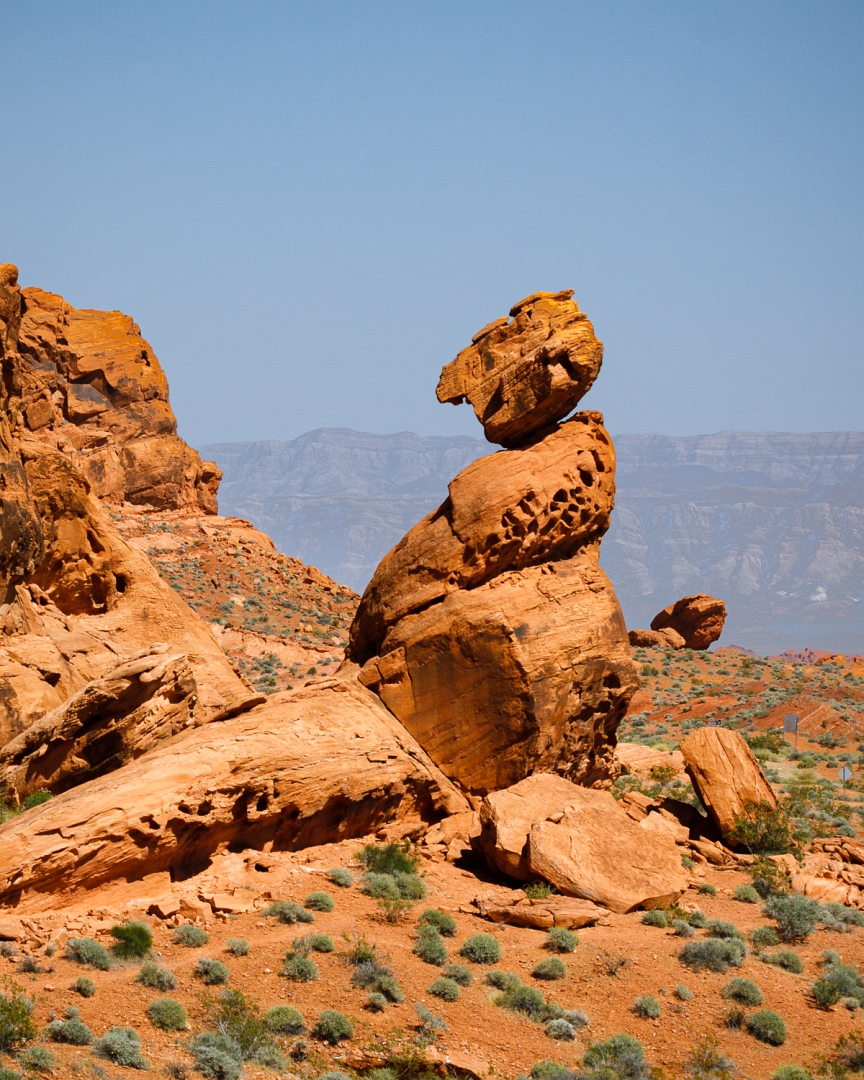
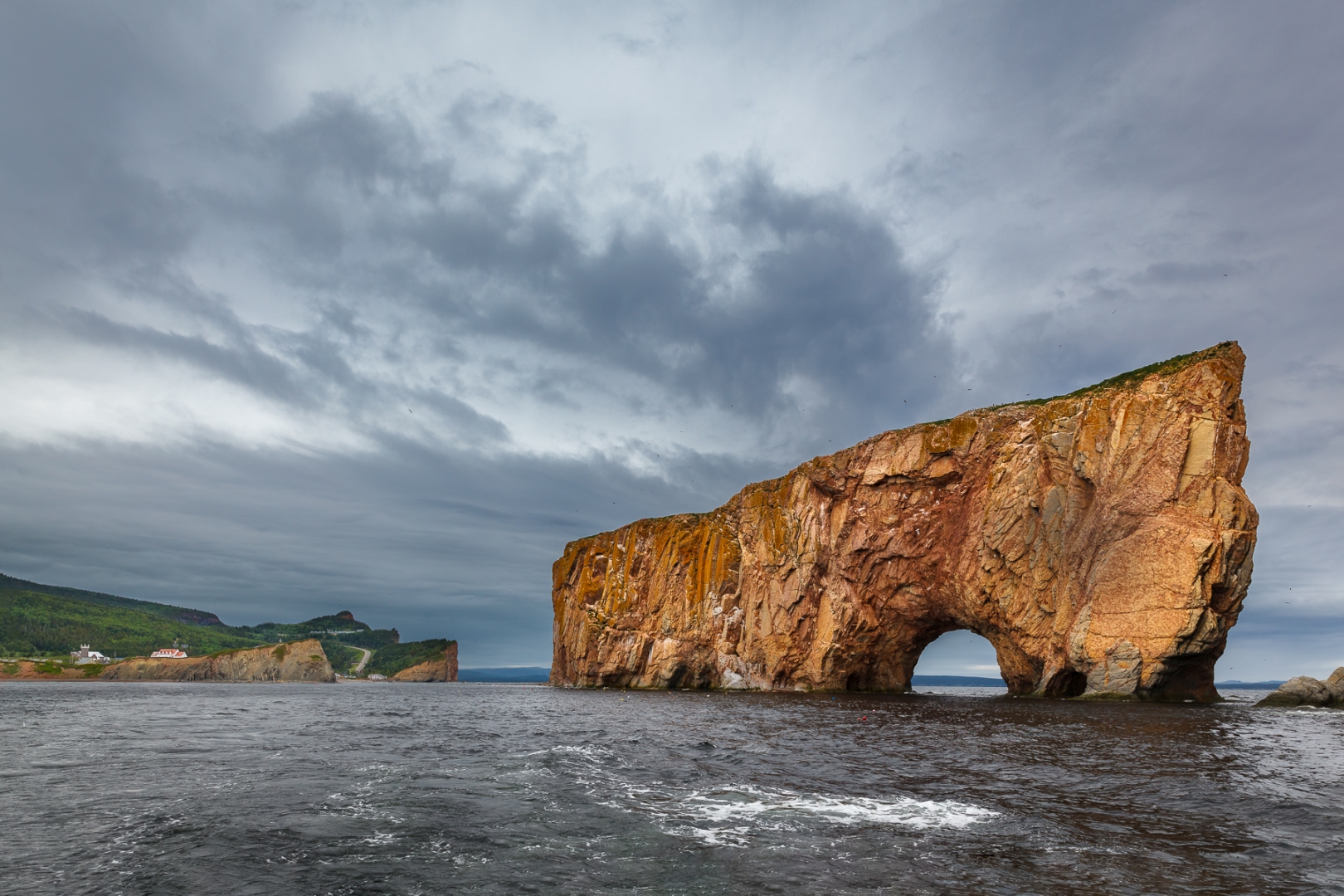
During the Day: Silhouette’s are also possible during the day if the light is in your favour. The image of a Flowerpot Rock during daylight is made possible thy the surrounding landscape as the position of the sun places the rock in shadow leading to the possibility of a silhouette. Here the shape that is in shadow makes the image, which looks like an alien head with a bad hair day extending out of the landscape. The dappled light also helps with the features you want to standout within the subject to help make it more identifiable.
We try with our monthly theme challenges to seek out additional instructional resources, below are a number of YouTube video links to help with some hints and ideas. Landscape Photography instructional aids:
■ How to shoot silhouettes: by Photography Online (7min 15sec)
■ How to shoot silhouettes in street photography: by Rupert Vandervell (6min 7sec)
■ Shooting A Silhouette with Lindsay Adler: by Creativelive (3min 4sec)
Students are encouraged to develop their ability to tell a story or invoke an emotion, as well as how to plan and troubleshoot while creating their images. As such it’s important to not only create the image but to also include a “title”, and write a short paragraph about; how they came up with the idea, any interesting back ground that compelled them to make the image, and describe any techniques on how they overcame any obstacles. Also do some research and include the story behind your iconic location.
An important part of improving your photography is practice, which is one aspect of the monthly theme challenge, in addition you have an opportunity to learn about different genres, techniques and tips.
Share with us the images you create this month, even though there is no facility to upload your image directly to the this post, just comment on the post and paste your social media link of your image in your comment and everyone who visits will be able to see your image. Please note comments are moderated so it will not show up right away, however we do get a notification when any comment is posted so it won’t take long to get approved and subsequently show up. By posting your social media link of your image in your comment, it gives everyone visiting the bog a chance to not only see your image for the challenge but also the ability to look at your other work as well by visiting your social media through your link. We want sharing to be a positive experience and we hope you have fun with this month’s photo challenge.








 © You Can Learn Photography