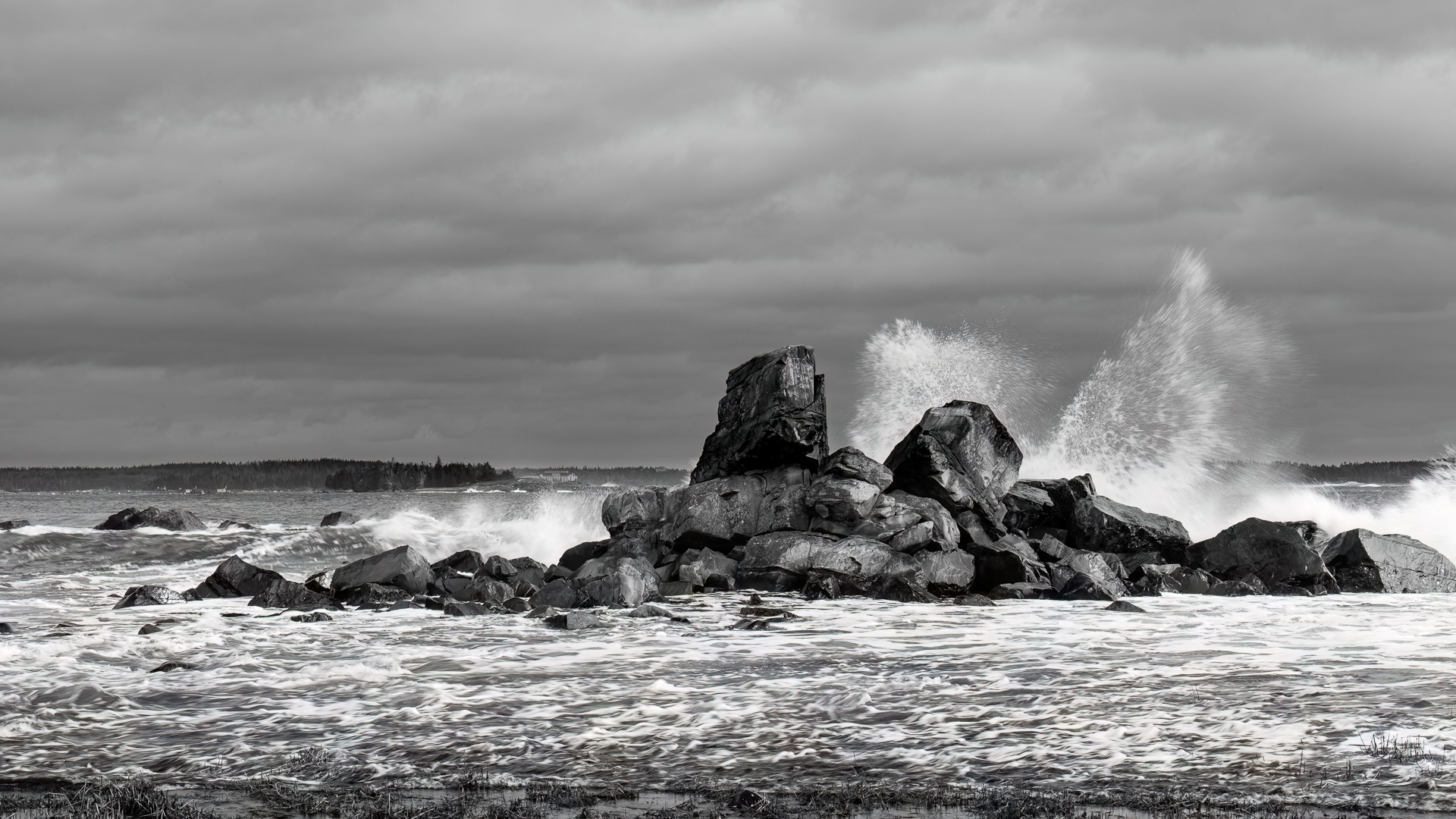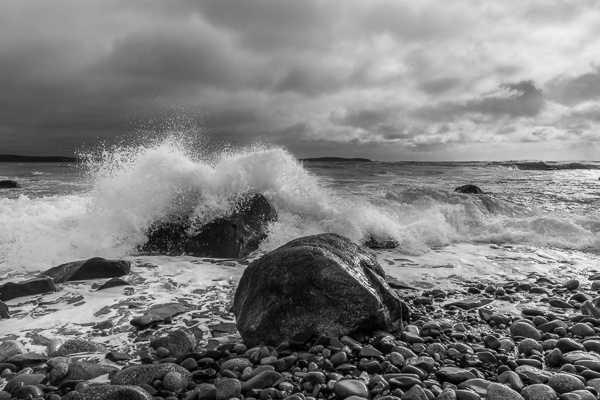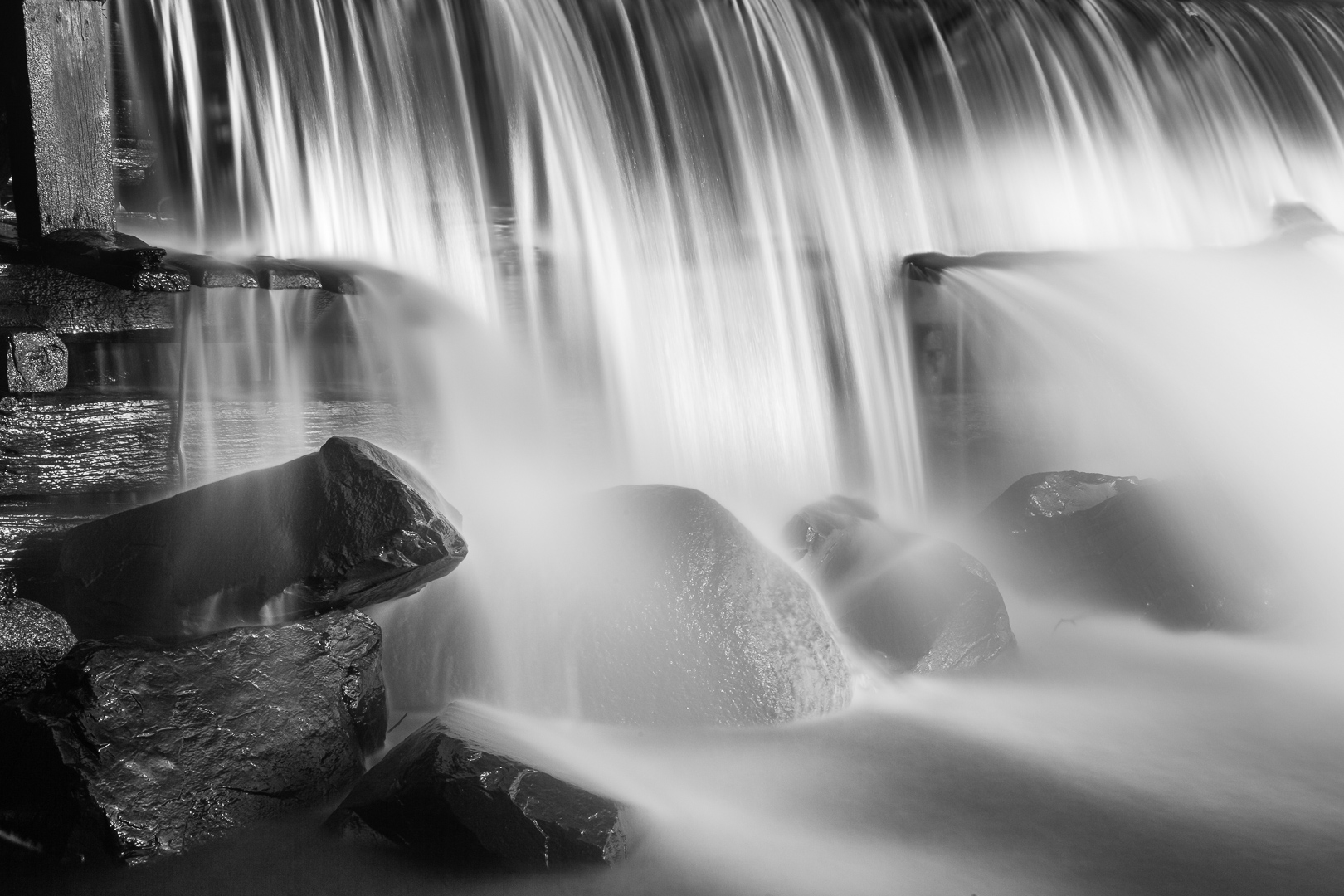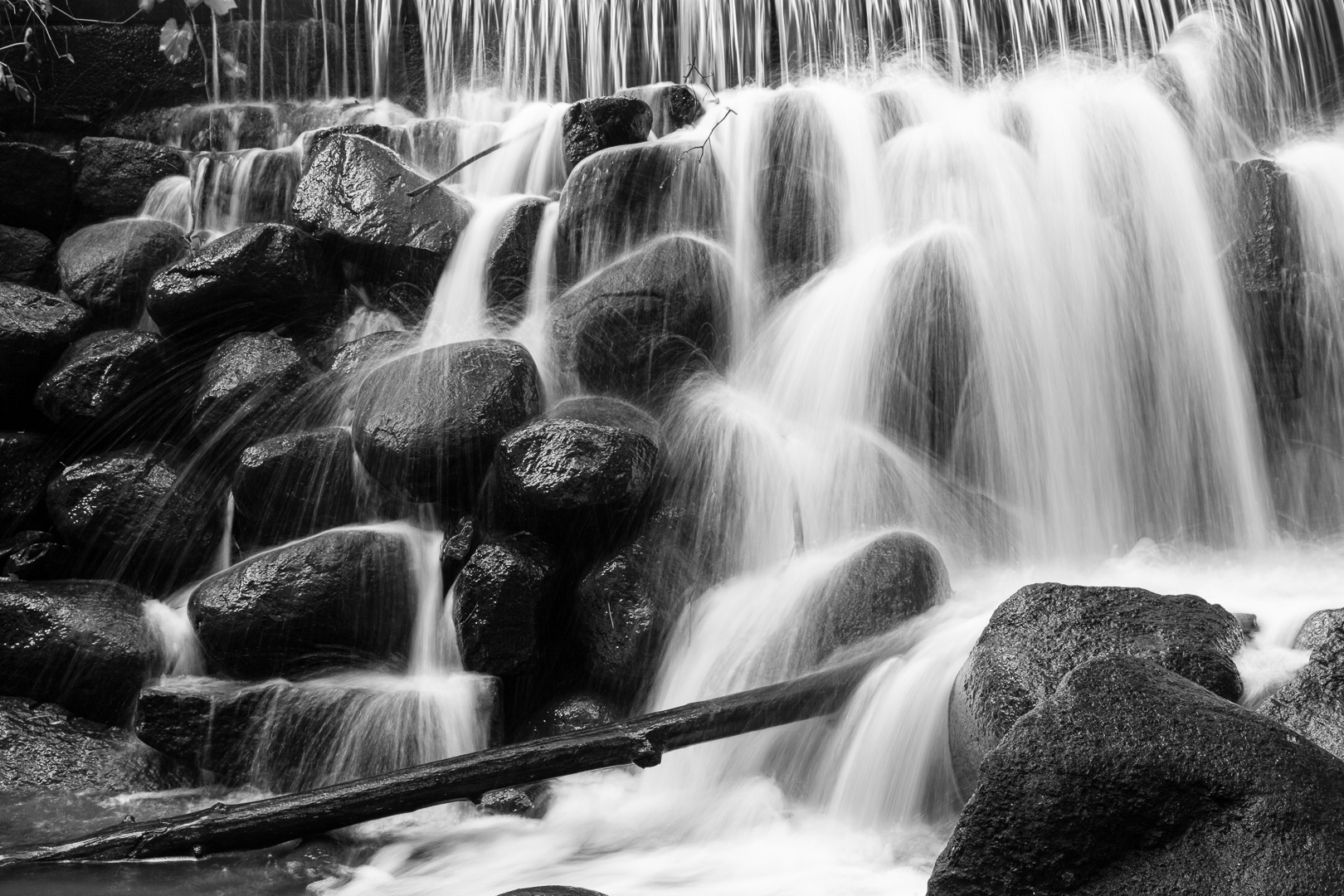
February Theme Challenge – “Winter Landscape”

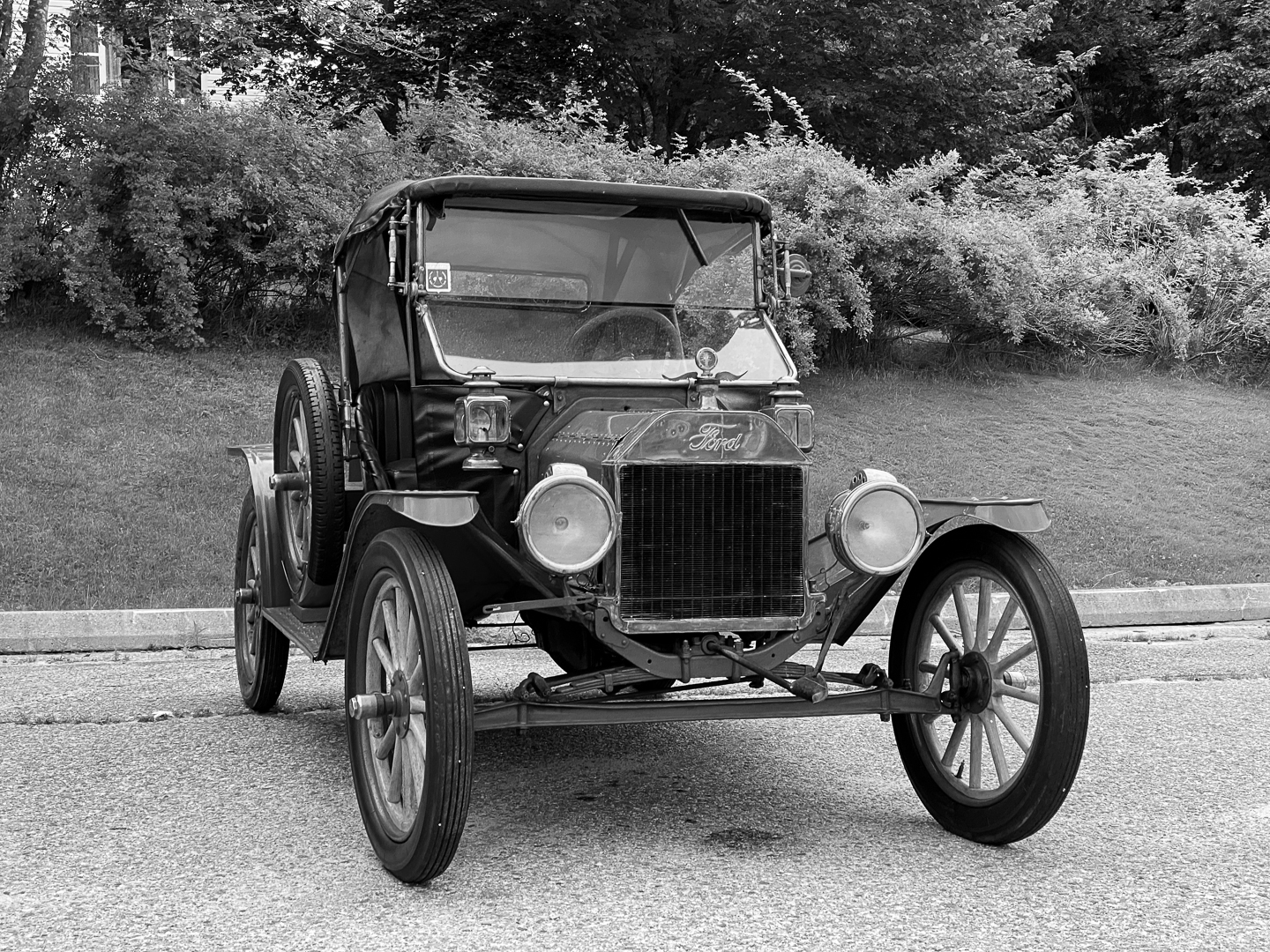
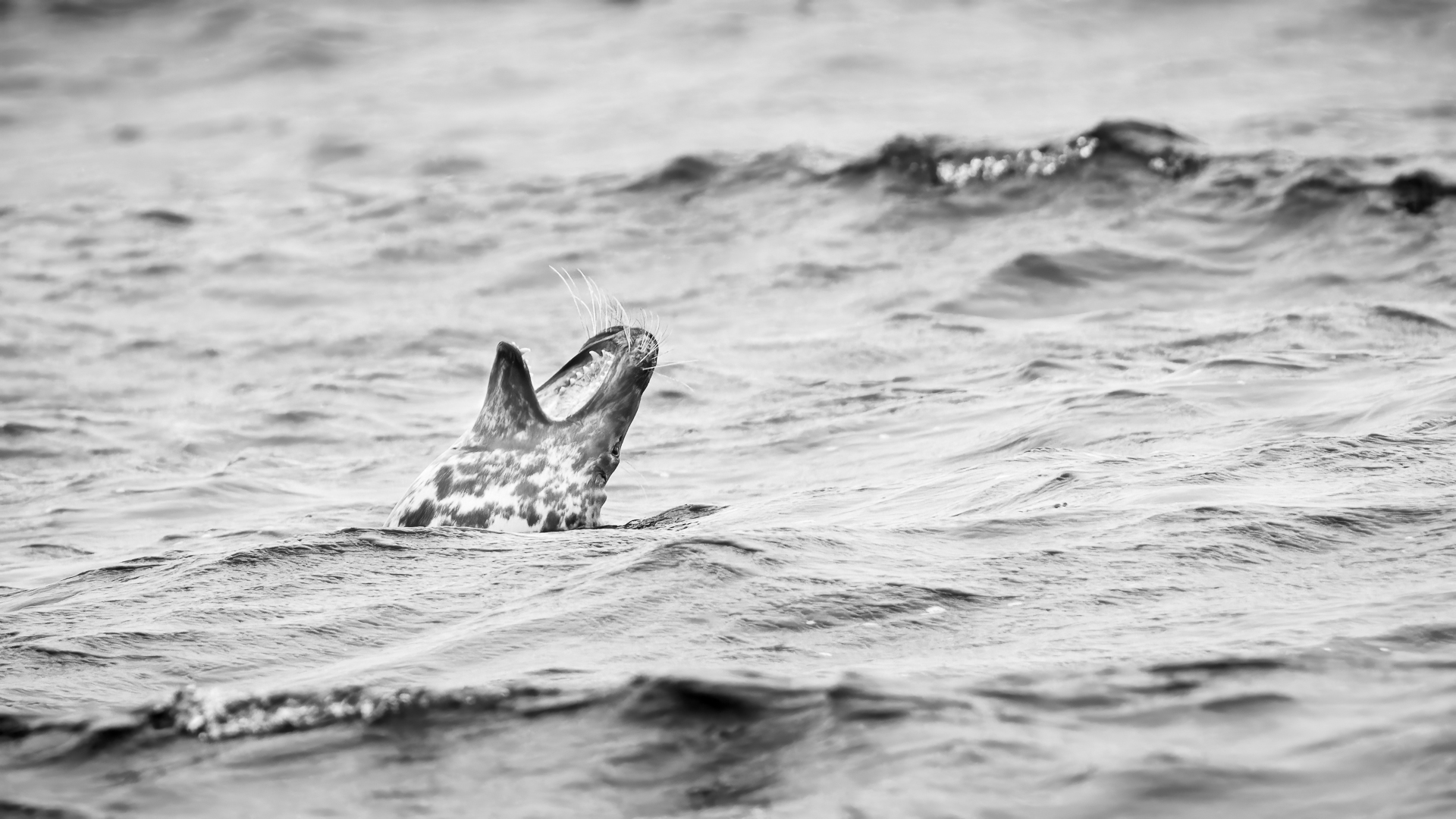
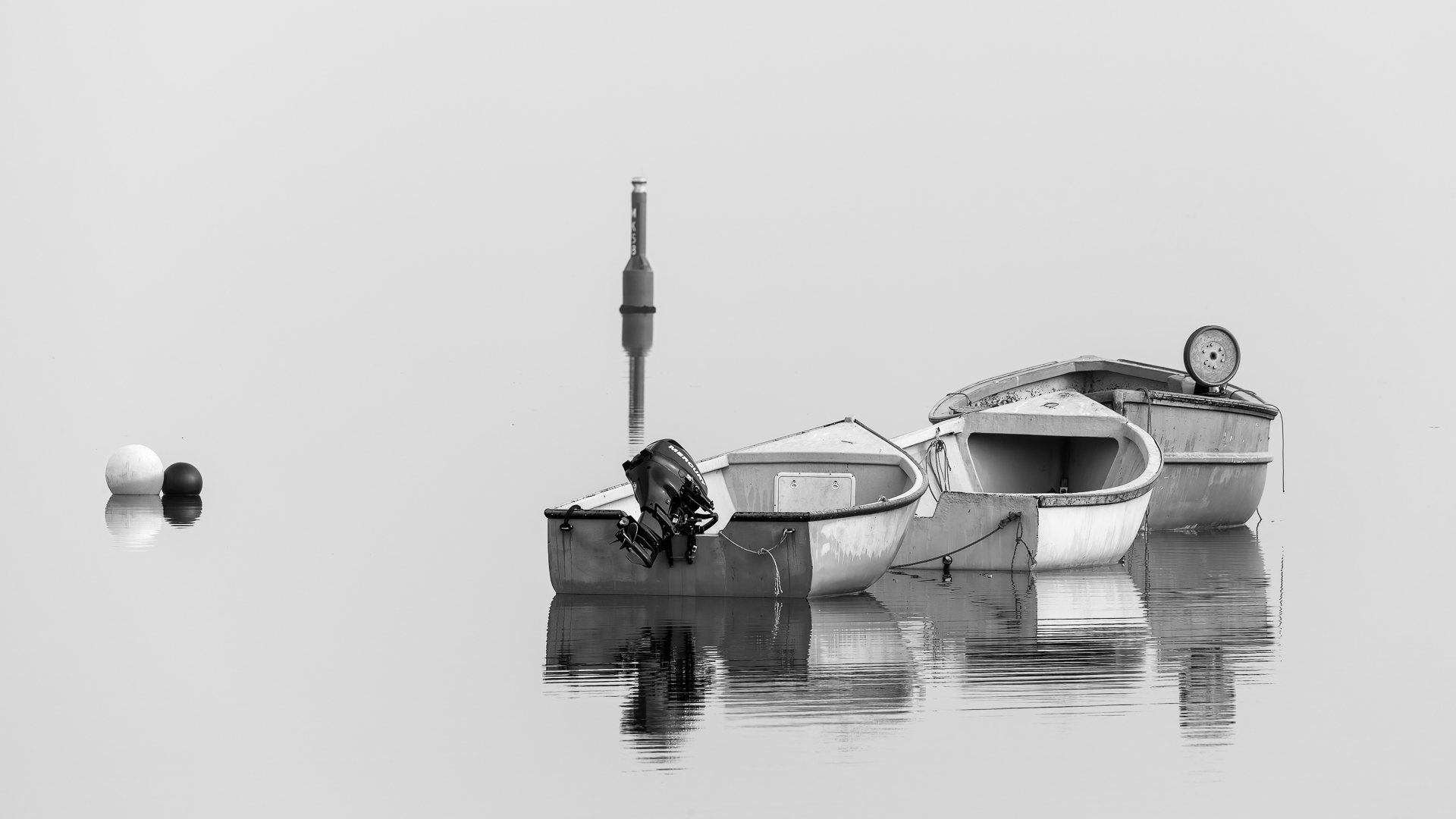
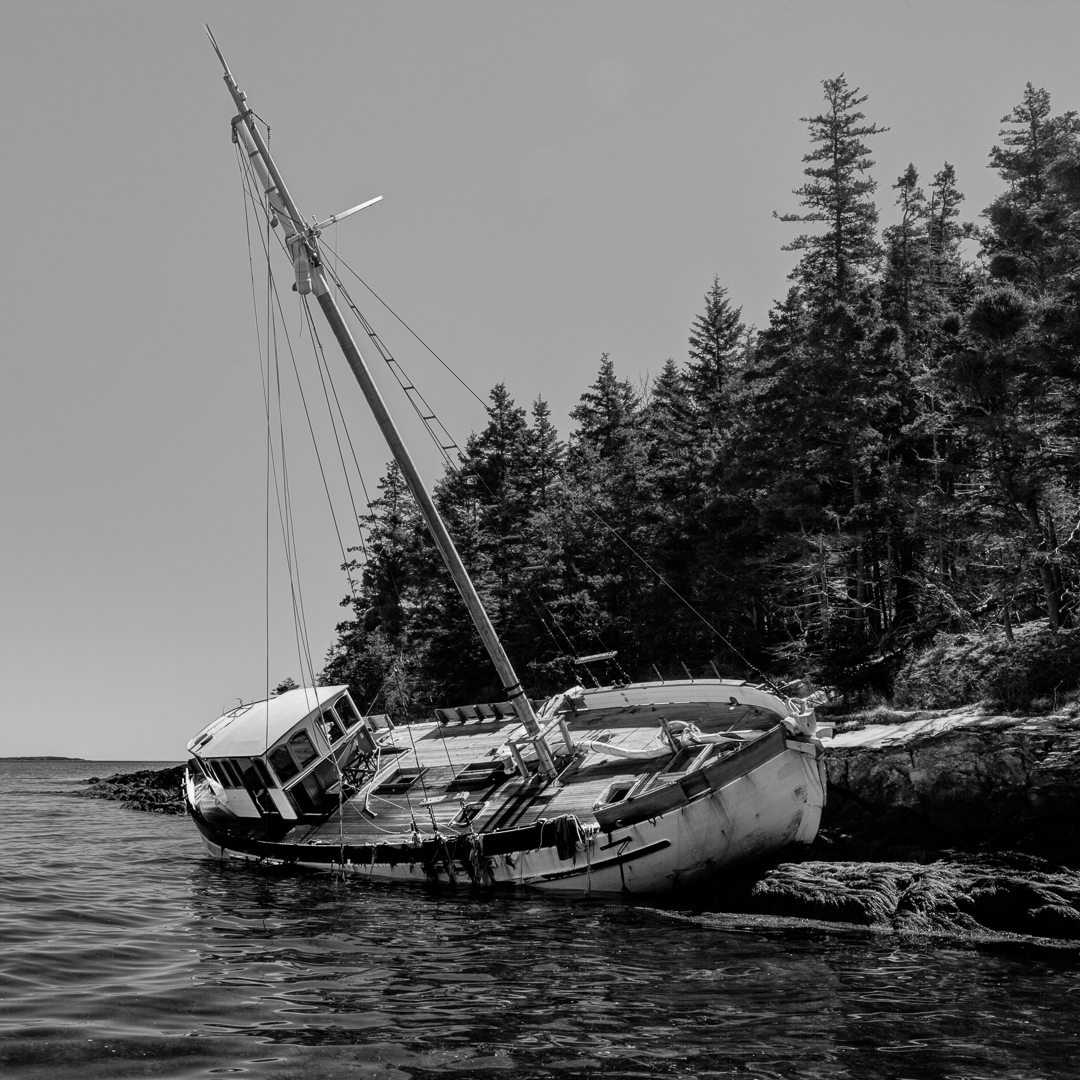
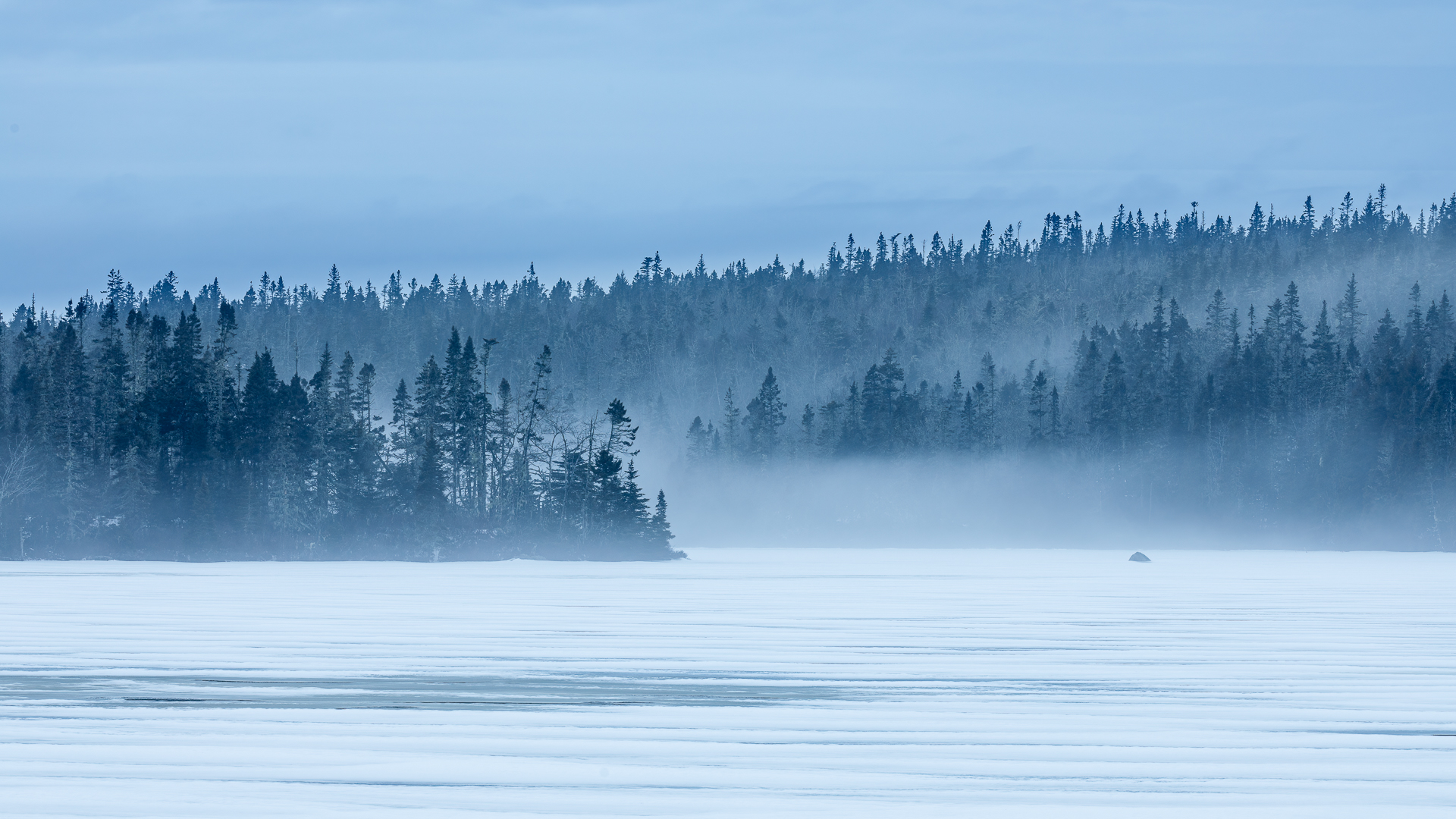
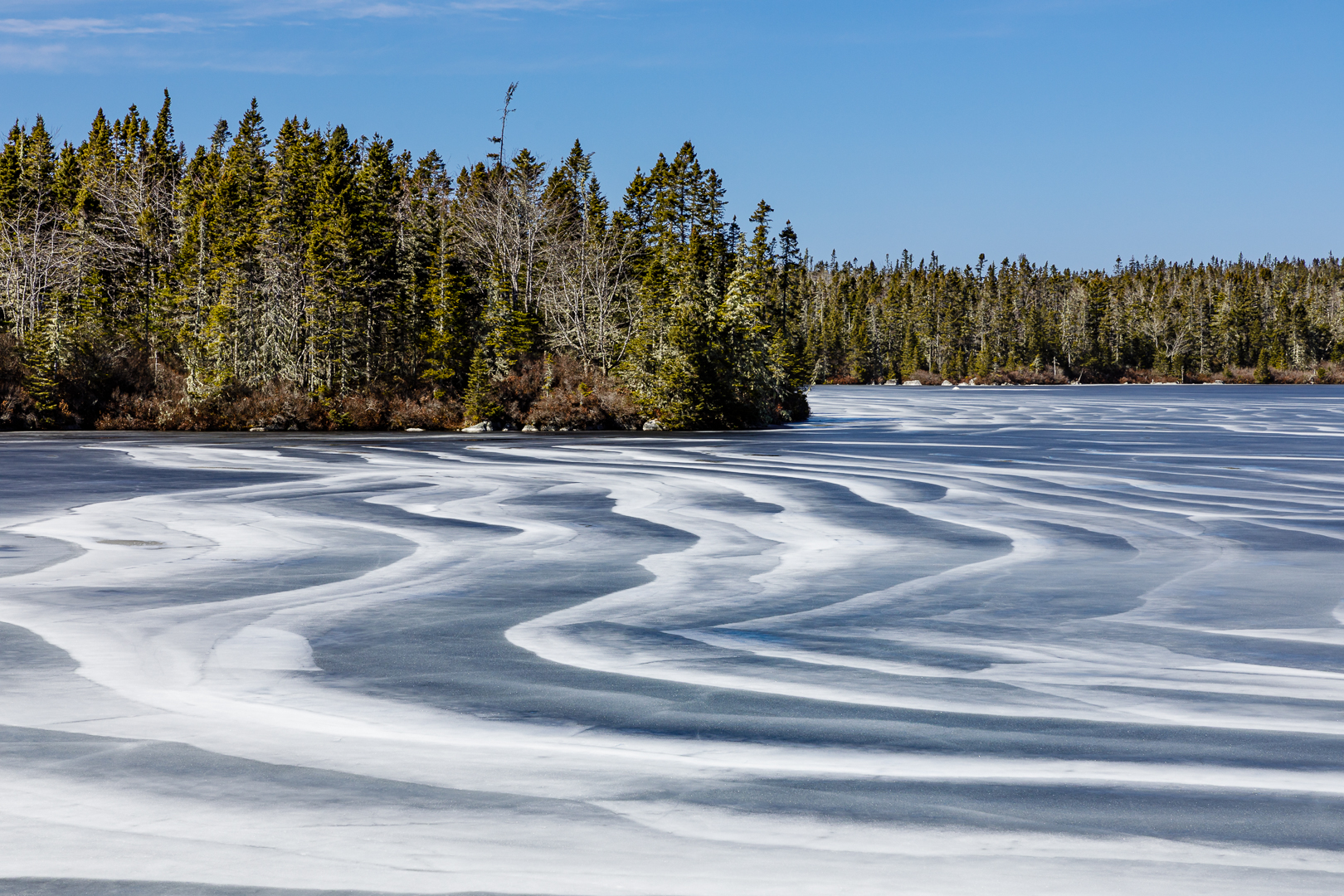
For this month, February 2026, the theme challenge is “Winter Landscape”. This month’s challenge requires you to go outside to capture some landscape images showcasing winter, while braving the cooler temperatures and having some fun. The example photos shown above of Awalt Lake as viewed from Hwy 329 on the Aspotogan Peninsula; is a result of a few cycles of cooling, snow, warming with wind shaping the waves of snow on the ice.

Include us in where you went and what you found interesting or unique in your area, share some images you’ve created this month.
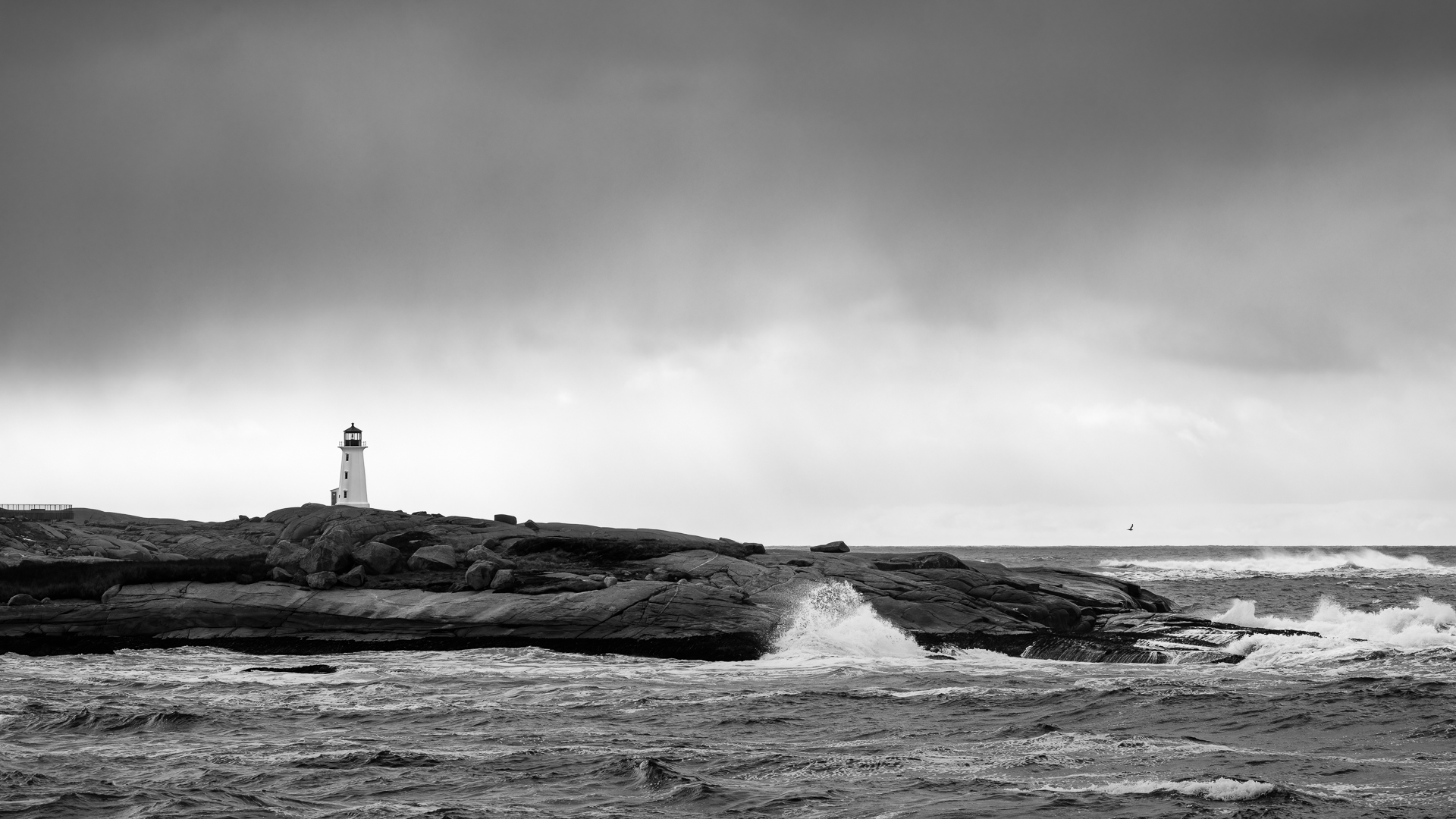
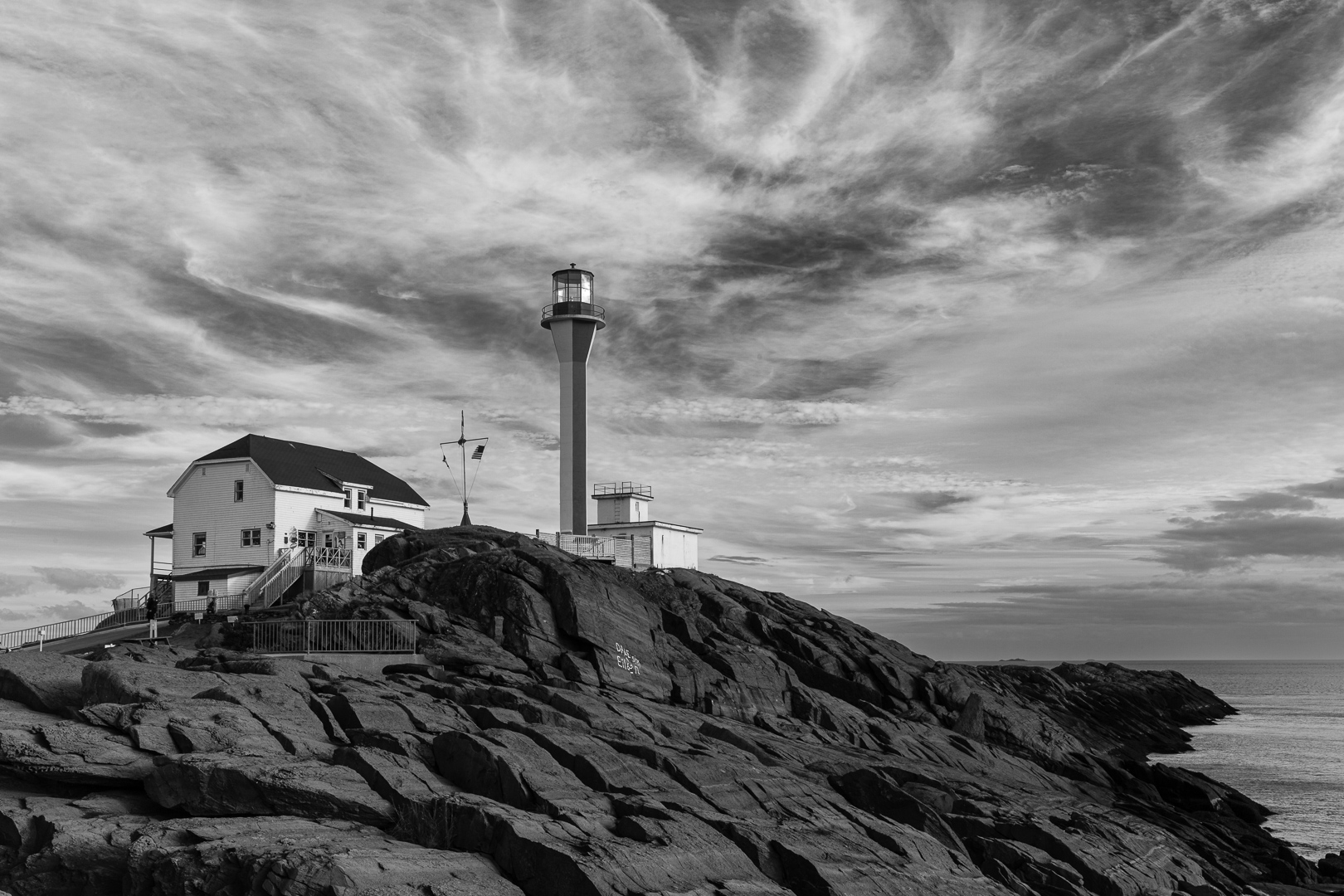
Examples

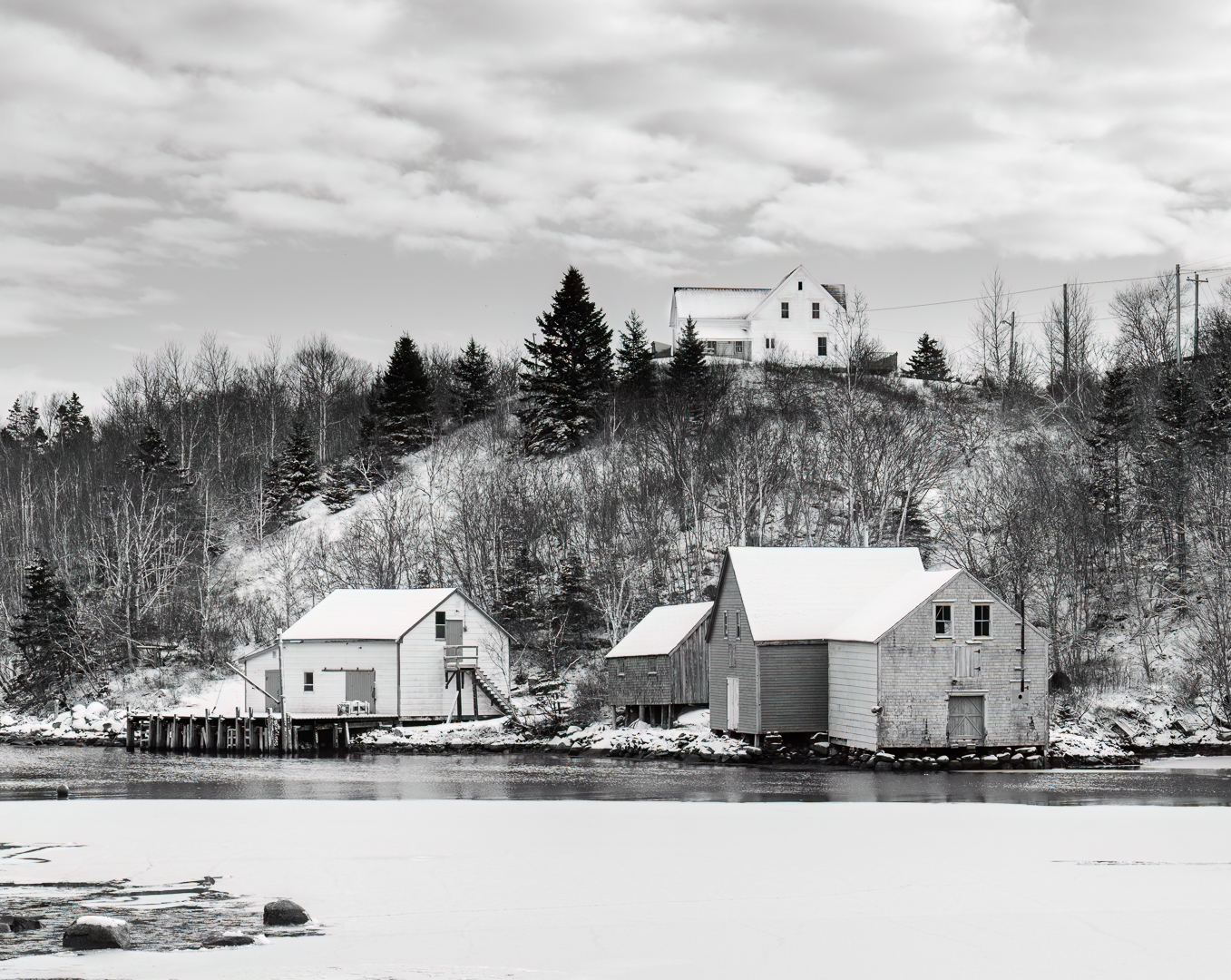
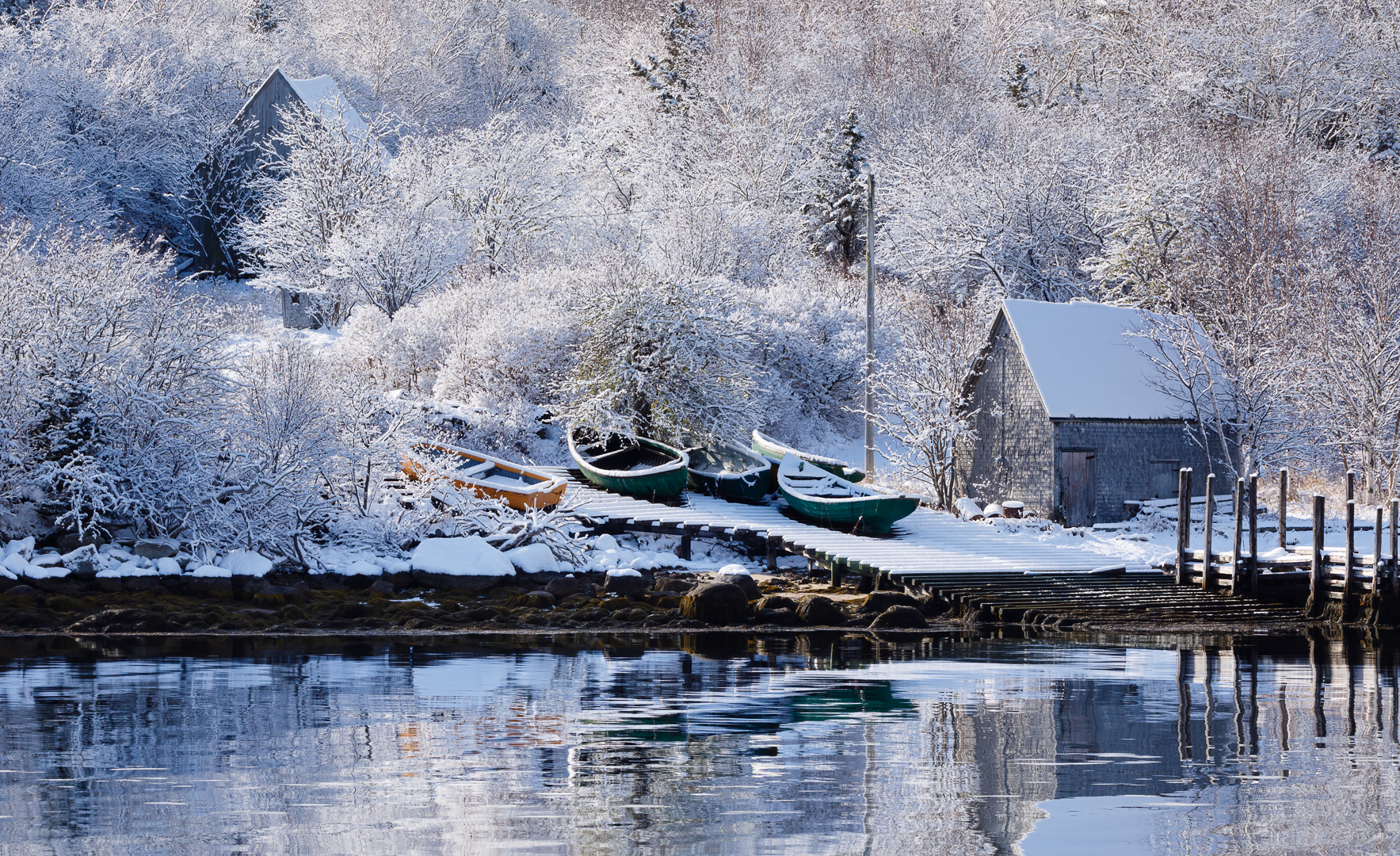
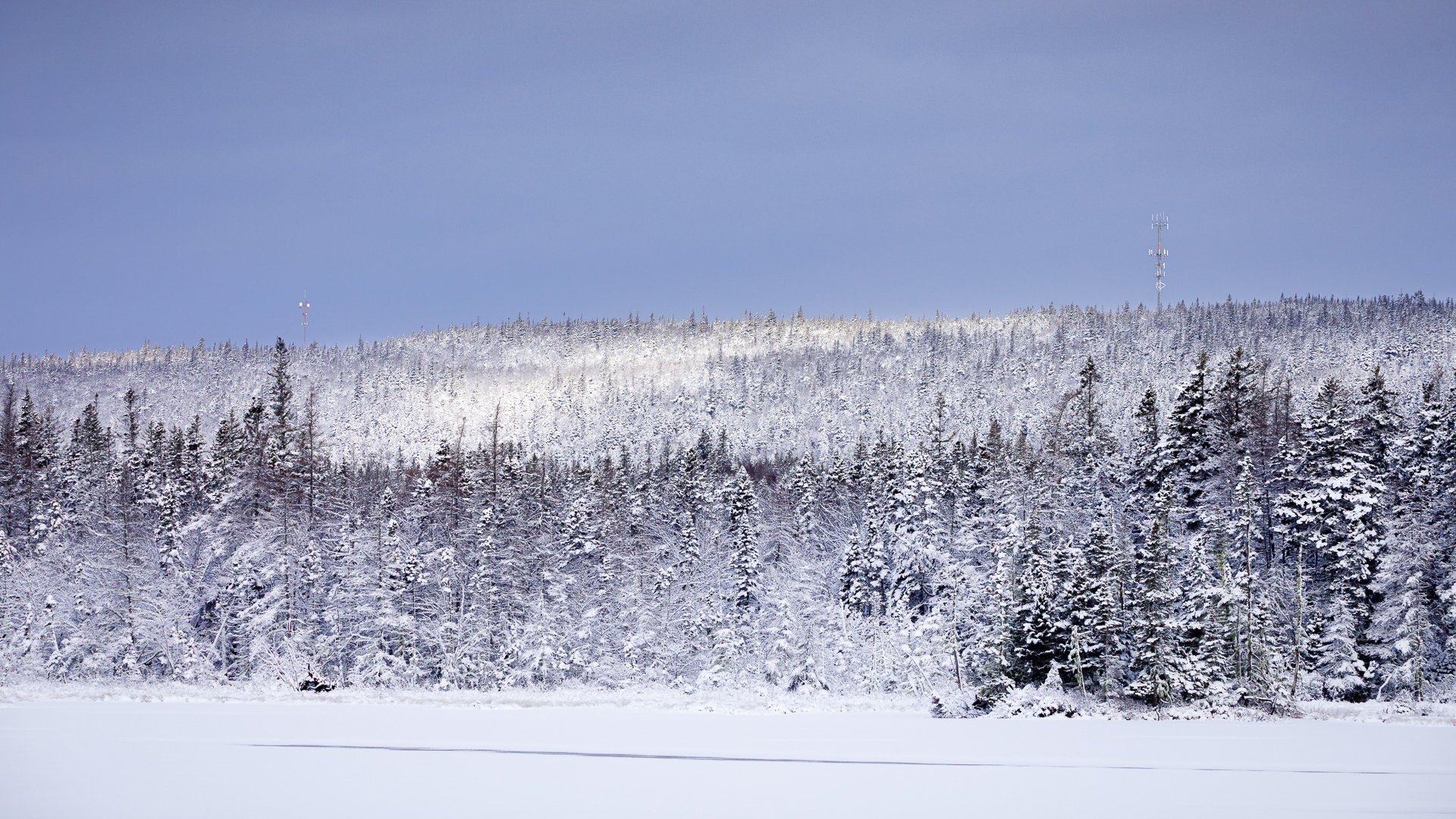
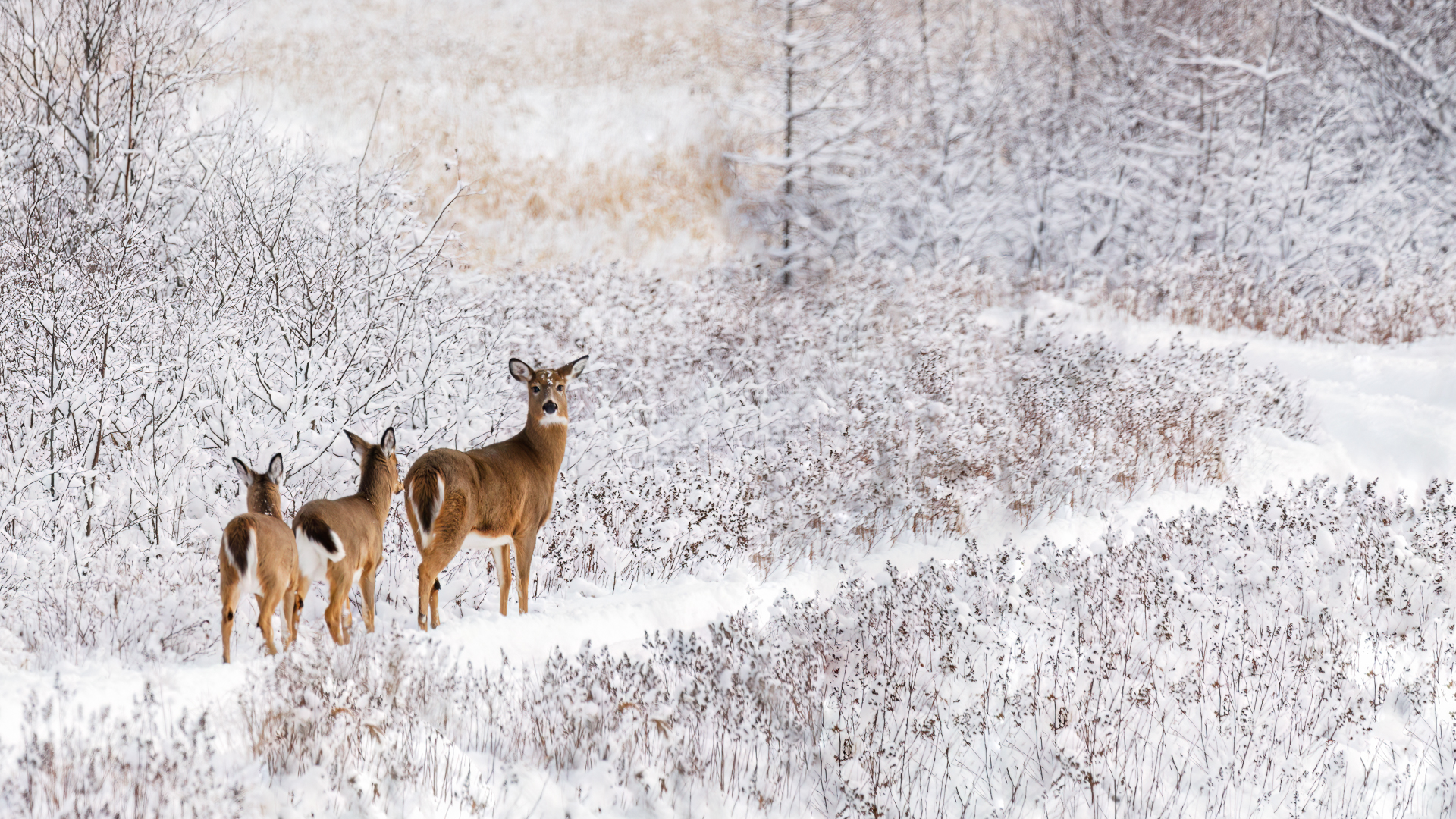
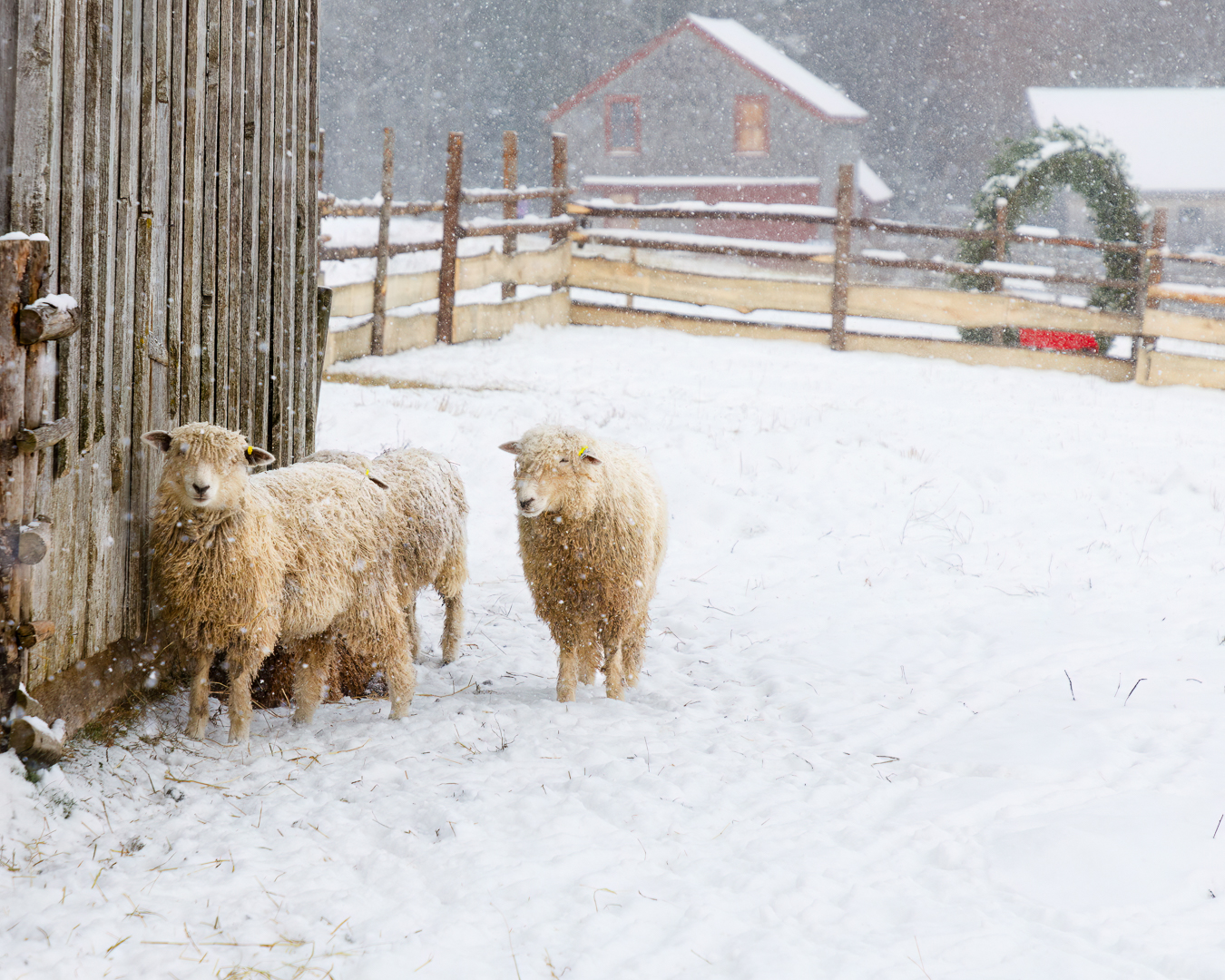
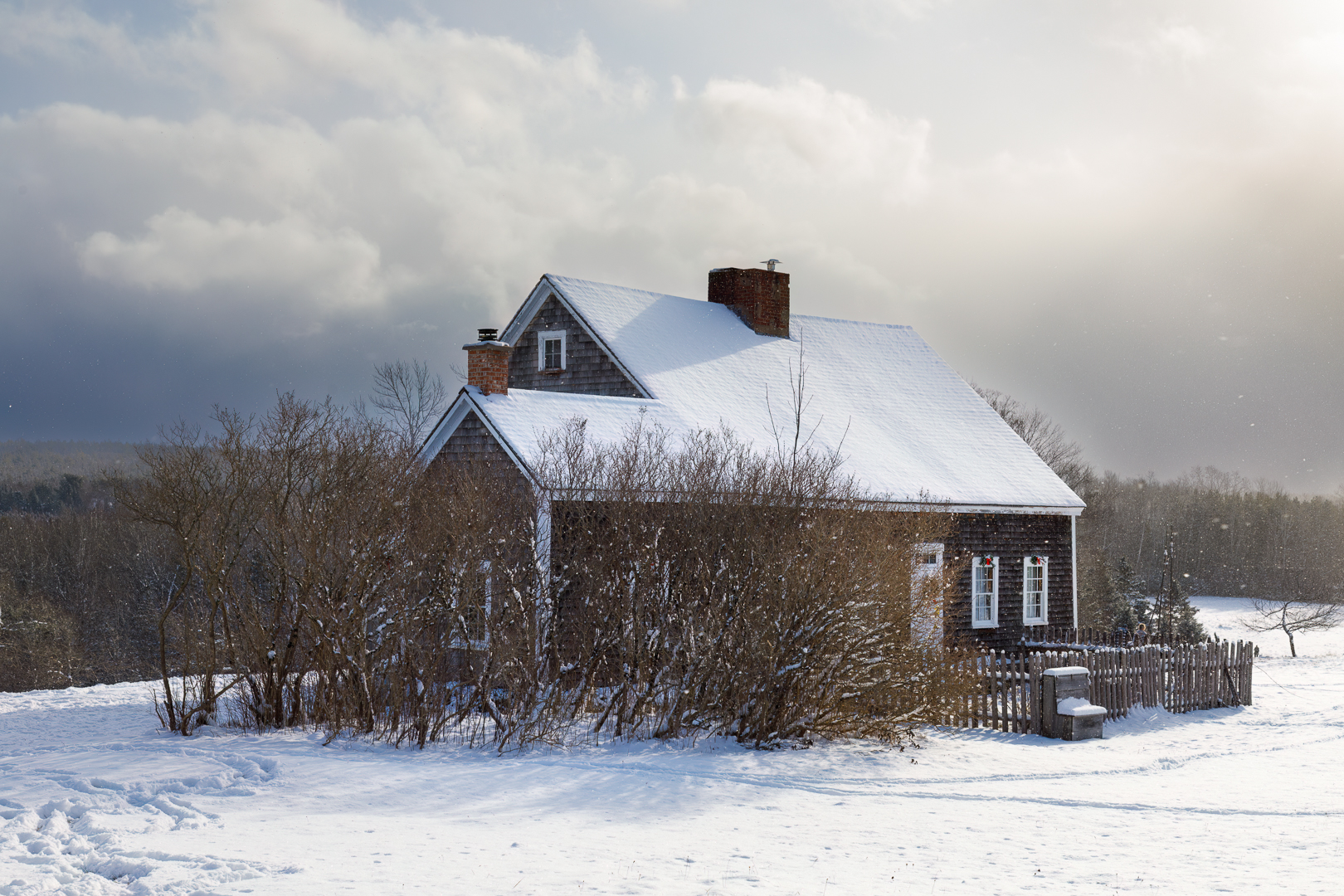
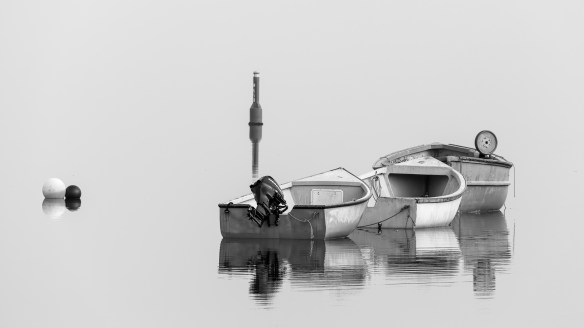
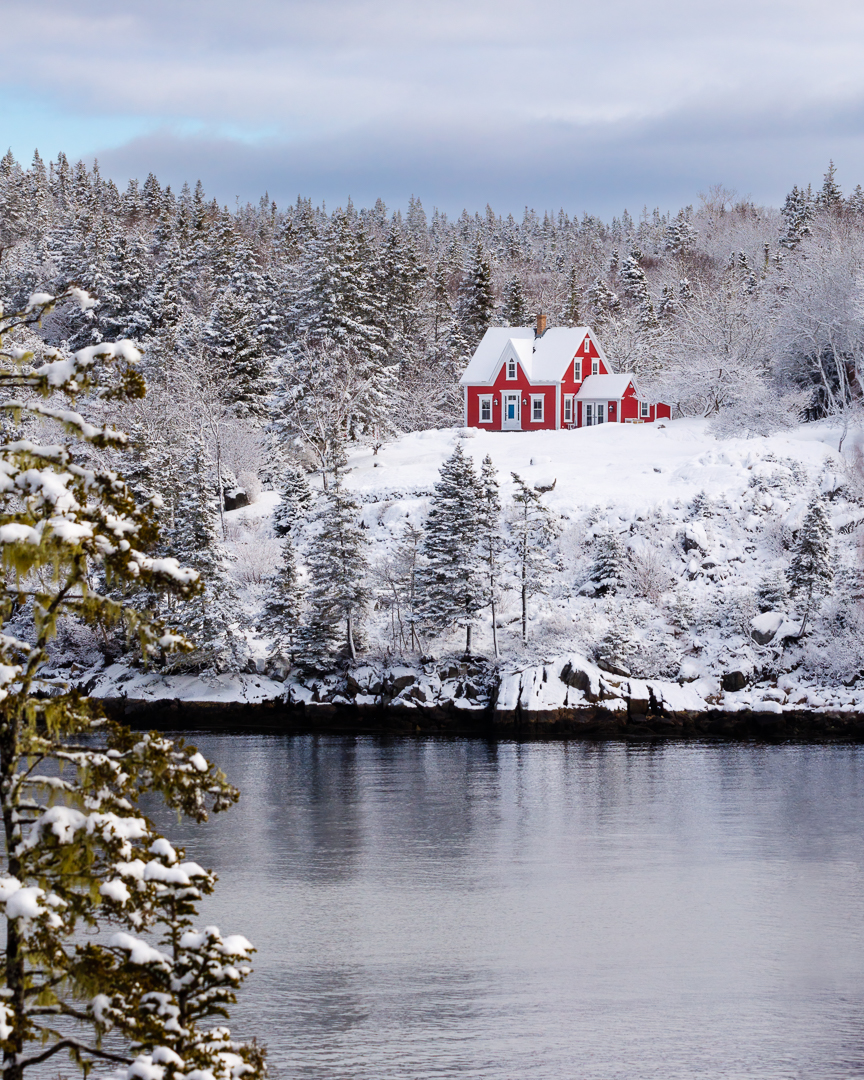
Local Area: Below are some sample photos from our local area; Aspotogan (Red House, Monochrome House top of the hill with Fishing Buildings), Awalt Lake (Snow waves, Mist in the Trees), Northwest Cove (Boats on a launch), Bayswater (Aspotogan Mountain and Bayswater Pod), and Blandford (Deer in the snow). The two images of; the sheep and old style home were taken at the Ross Farm Museum in New Ross.

Tips; This challenge is pretty straight forward, just use the techniques you have learned so far in taking landscape images. Use Aperture priority or manual mode. Make sure you have a fast enough shutter speed for a sharp image appropriate for your lens choice or use a tripod if your image requires the use of a slower shutter speed. Take your time, decide on your subject/story and then move your position to get the most pleasing composition. The most important thing with snow images is exposure; in order for the snow to look white your exposure meter needs to be pushed brighter between +1 or even +2, this will make the snow look white. Use exposure compensation in the positive direction if shooting in Aperture Priority or adjust your exposure in the positive direction if shooting in Manual mode.


Equipment care: (same as last month) Taking your camera gear from a warm environment to the outside usually does not cause any issues, however when going from the cold back into a warm environment is where condensation can quickly form on your camera/lens and this is where it can be harmful to your gear eventually causing spots on your external and more seriously the internal lens elements which eventually causes mold. Before going in to a warm environment from the cold, place your camera/lens back inside your camera bag (your bag needs to be padded with zipper closed) this will allow your gear to raise in temperature slowly and therefore condensation will not happen. An additional protection tip is to put your camera/lens in a double Zipper Seal (Dollarama 33cmx39.6cm / 13″x15.6″) bag, this will allow the condensation to form on the outside of the bag and not on your camera/lens. Condensation will occur going from the cold outside into a warm building or into a vehicle. You can keep the temperature of your vehicle cooler to minimize the effect.

Stay Warm: (same as last month) To enjoy your time out in the cold dress in layers with thermal socks for your feet and gloves that allow you to operate your camera and keep your hands warm. If you are in icy conditions use crampons or cleats on your boots, they will keep you from falling so you don’t get hurt or break your gear.


Additional Resources

As always with our monthly theme challenges we try to seek out additional instructional resources, below are some YouTube video links to help with some tips, hints and ideas:
How to Photograph Snowy Landscapes By: Wolf Amri (8min 23sec)
Photographing Snow and Ice – 5 Tips By: Peter Forsgård (7min 9sec)
FIX Your WINTER Landscape Photos with these Easy EDITING Tips By: Mark Denney (13min 40sec)


Some Inspiration

Check out some Albert Dros (bio) Netherlands snowy landscape images from his recent The Netherlands Covered In Snow Blog Post.

Also check out his drone YouTube video Floating Windmills – Kinderdijk Above The Fog by: Albert Dros (2min 37sec).


You’re encouraged to develop the ability to “tell a story or invoke an emotion, as well as learn to plan and troubleshoot while creating images.

  • It’s important to not only create an image but to also include a “Title”, this process helps with; determining your subject or story, and composition.
  • Try writing a short paragraph about; how you came up with the idea, any interesting back ground that compelled you to make the image, and describe any techniques how you overcame any obstacles.
  • Do some research and include any relevant information behind the subject of your image. This helps with planning and your approach for a story

An important part of improving your photography; practice, practice, practice one of the important aspects of the monthly theme challenge, in addition you have an opportunity to learn about different genres, techniques and tips that you may not be familiar with.


Share your images and stories experienced this month

Even though this website is not setup to directly upload your images, you can achieve something similar by commenting on the post; paste your social media or google drive link to your image in the comment, then type any additional message you’d like to share. Everyone who visits will be able to visit your link. Note comments are moderated so it will not show up right away. We do get notifications when any comment is posted, so it won’t take long to get approved and have your comment subsequently show up. By pasting your social media or google drive link in your comment, it gives everyone visiting the blog a chance to click the link to see your image for the challenge and also the ability to look at your other work by viewing your social media through your pasted link. We want sharing to be a positive experience and we hope you have fun with this month’s photo challenge.
March Theme Challenge – “Abstract Paper”

For this month, March 2025, the theme challenge is “Abstract Paper”. Keeping with our last month’s theme we get to create our images inside where it’s nice and warm. We’ll learn more about macro/close-up photography, lighting, perspective and creativity by taking multiple images of the same subject to obtain different results.

There are two setups and examples shown below, making use of different types of paper; (#1) coloured 8.5″x11″ 85lb – 110lb card stock, and (#2) plain 8.5″x14″ 20lb paper. Arrange your paper by loosely folding and then holding the multiple sheets of paper together using a paper clip at each end. Using a camera equipped with a 50-100mm lens on a tripod level or slightly elevated with your folded paper arrangement on a flat surface (white foam board) held by a 2″ binder clip and a dark background (black foam board). Be aware of your minimum focus distance so you can be as close as possible to fill the frame with a sharp image.

Include us in your success, share the image you’ve created this month.


Supplies

There are a number of items required for either setup;
■ (1) Camera + Tripod.
■ (2) Lighting; A lamp, LED light or off camera flash to create angled light, see setup images below.
 ► lamp with daylight led light bulb, or portable LED light such as LUXCEO Portable RGB Photography Light.
 ► Off camera flash with colour gels; Godox Wireless trigger (Canon), Godox Wireless Speedlite flash (Canon), Universal Flash Gels Amazon.ca.
■ (3) 85lb A4 (approx 8.5″ x 11″) assorted colour card stock paper Amazon.ca Example also check the Dollar Store or Dollarama.
■ (4) 20lb 8.5″x14″ paper.
■ (5) paper clips.
■ (6) White and Black foam core 20″ x 30″, Dollar Store or Dollarama
■ (7) 2″ binder clip.


#1 Lamp or LED Light with Colour Card Stock

Setup #1 using colour card stock with an LED light. Your setup maybe slightly different depending on what you have available. Basically the light is placed to the front left about 15 degrees, just adjust the position and brightness to get the desired shadows. Change the position or rotate the paper to achieve the different perspectives. Important; notice the paper is on a slight angle to the camera.

Camera Settings: Start in Aperture Priority mode (Av for Canon or A for Nikon, Sony etc…). Depending on your subject and focal length the aperture would typically be between f/2.8 and f/5.6, just check your images in camera for paper edge sharpness (you may want to focus stack your image the wider your aperture). Keep your  ISO as low as possible between 100 – 800. Get as close as possible to the paper but a little further than your minimum focus distance. Focus on the edges of the paper. Use a wired remote or a 2 second timer. Focal Length: To fill the fame as best as possible try using a lens between 50mm -100mm. Be aware of your minimum focus distance to ensure you can focus on your subject.


#1 Examples – Colour Card Stock

For the example images below my camera, 5DmkIV, EF100mm f/2.8 Macro lens, settings were; f/2.8, 1/100, ISO 200, @100mm using a LUXCEO RGB LED light model P100. Be aware of your ambient light in the room, you want it darker than your LED light.


#2 Flash with Colour Gels

Setup #2 using off camera flash and colour gels. Your setup maybe slightly different depending on what you have available. Basically the lights are placed about 90 degrees, with a different colour on each side. Adjust the height of the flash units to minimize colour spill over the top of the paper. Add additional folded paper to the inside of the loose fold to get the zig-zag look. Change the position of the paper to achieve the different perspectives. Important; notice the paper is on a slight angle to the camera.

Camera Settings: Start in Manual mode. The aperture would typically be between f/2.8 and f/5.6, shutter speed 1/160, ISO 200, flash power at 1/64 power (adjust the flash power to achieve the desired exposure). Get as close as possible to the paper but a little further than your minimum focus distance. Focus on the edges of the paper. Use a wired remote or a 2 second timer. Focal Length: To fill the fame as best as possible try using a lens between 50mm -100mm. Be aware of your minimum focus distance to ensure you can focus on your subject.


#2 Examples – Flash with Colour Gels

Using flash and gels with 20lb plain paper you can create images with any colour, limited only by the colour of your gels. Be careful of your exposure. The example images are shown below. My camera and settings were; 5DmkIV, EF100mm f/2.8 Macro lens, settings were; f/5.6 – f/8, 1/100, ISO 100 – 200, @100mm using a Canon 580EXII off camera flash with a wireless Godox XT Trigger system.


Additional Resources

As always with our monthly theme challenges we try to seek out an instructional resource, below are some YouTube video links to help with some tips, hints and ideas.
Creating Abstract Paper Images instructional aids:
Macro Photography – Abstract Images of Paper: by Amy Horn (6min 57sec)
Beautiful Abstract Photography Using Paper: by Hayato Iki Photography (1min 37sec)
Creative Paper Photography | A Simple project for all photographers to try: by Stewart Wood (9min 36sec)
Cardboard shapes: Creative photography idea with folded paper: by Hayley – Creative Photo Folk (7min 9sec)
10 Creative Photo Projects: by Amy Horn (38min 13sec)


An important part of improving your photography is practice, practice, practice which is one important aspect of the monthly theme challenge, in addition you have an opportunity to learn about different genres, techniques and tips that you are not familiar with.


Share your images and stories experienced this month

Even though this website is not setup to directly upload your images, you can achieve something similar by commenting on the post; paste your social media or google drive link to your image in the comment, then type any additional message you’d like to share. Everyone who visits will be able to visit your link. Note comments are moderated so it will not show up right away. We do get notifications when any comment is posted, so it won’t take long to get approved and have your comment subsequently show up. By pasting your social media or google drive link in your comment, it gives everyone visiting the blog a chance to click the link to see your image for the challenge and also the ability to look at your other work by viewing your social media through your pasted link. We want sharing to be a positive experience and we hope you have fun with this month’s photo challenge.