April Theme Challenge – “Textures”

When talking about texture we think of details within the surface of subjects or objects, such as with cement, bricks, cracked paint on a wall, sand, leaves, bark on tree trunks etc… Texture is possible due to the light and dark areas on a subject caused by the way the light hits the surface creating highlights and shadows. The lower the angle of light the more pronounced the texture will be. These surfaces can be interesting as an image on their own, or when combined with other images can create images considered to be fine-art.

This month I encourage you to seek out possible subjects or objects to create your own texture images to not only use them on their own but also to combine with other images that you may already have to create something different than just with a single image, especially if the image on it’s own is missing that little extra something that you can’t put your finger on.

The key to a successful texture image is to choose something that has a pattern in combination with color that is pleasing or interesting. Think about getting close while at the same time considering a composition that fills the frame. Remember to consider the minimum focus distance because if you’re too close you will not be able to obtain focus, you can always back off slightly and crop your image if necessary later.

Once you start looking for textures you will start to see they are everywhere, just slow down, look around and use your imagination. It doesn’t matter what camera you have, even the camera in your phone will allow you to capture great textures; just fill the frame, hold the camera steady, adjust your exposure for the mood, and make sure you have attained focus.

Because you will be getting close to the object or subject consider the depth of field to obtain a sharp image. Depending on your camera and lens combination, I would suggest starting with an aperture range between f/5.6 and f/8. If you are using a camera phone that has a fixed aperture try using the best lens choice or stay back from your subject a bit while still filling the frame. Always check your captured image to make sure its sharp. It’s ideal to have all of the texture in focus, so find that spot that still allows you to fill the frame, get the composition you want while still obtaining a sharp image.

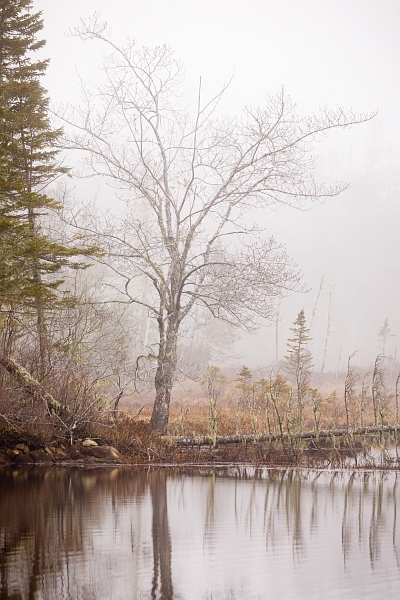
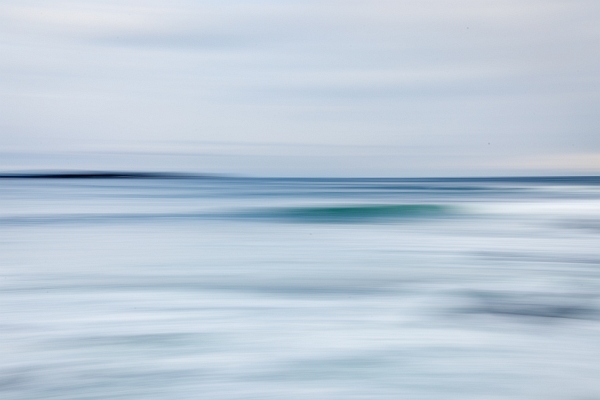
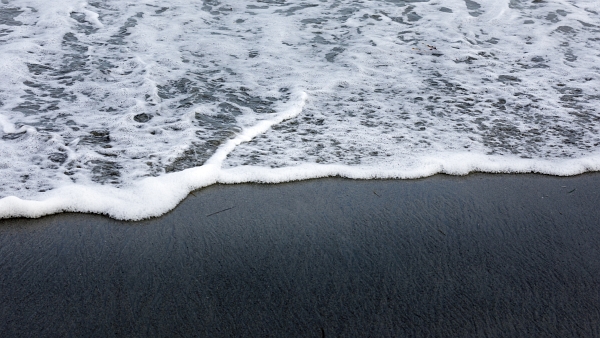
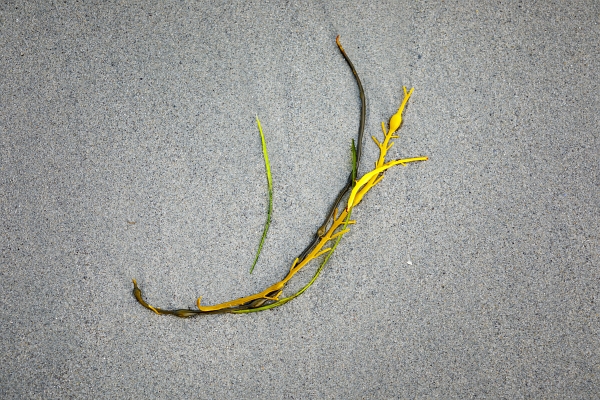
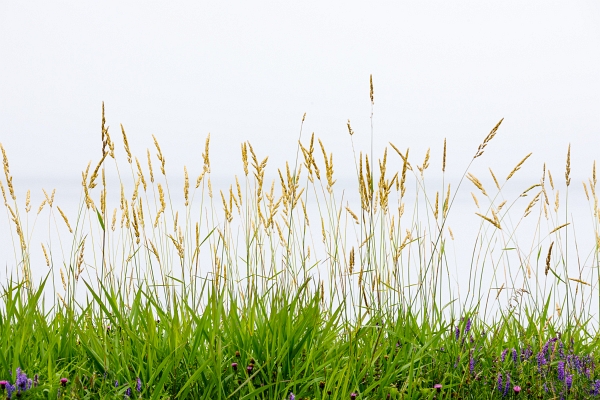
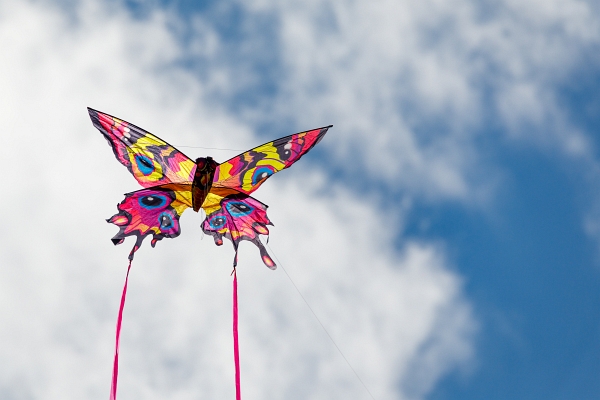
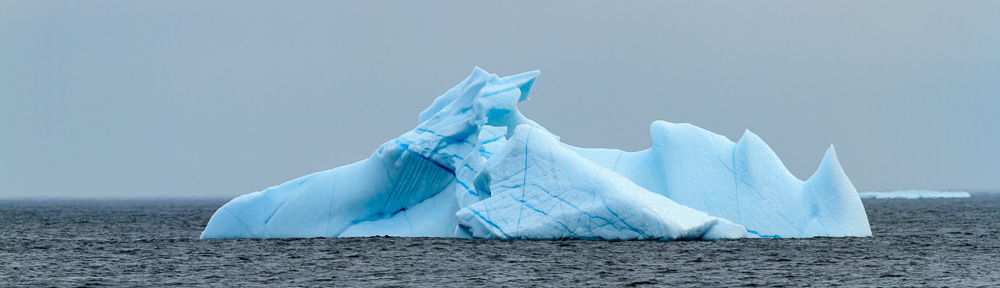
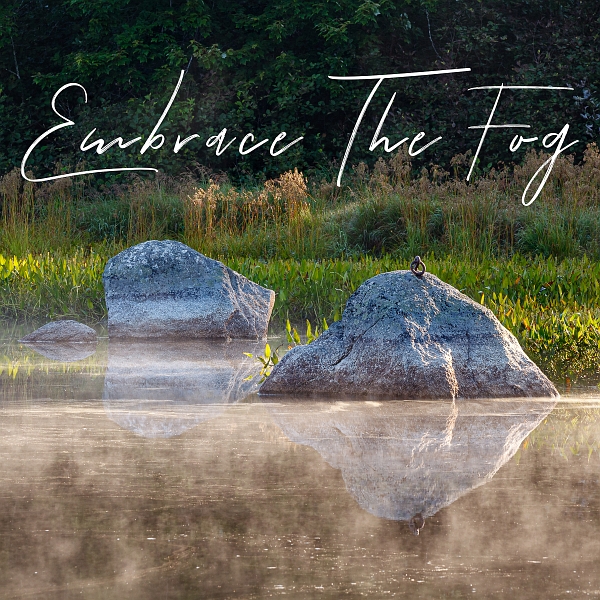
Let’s take a look at some texture image examples:

We will now show some examples of using these above images as textures to combine with some sample images to create something different. For the examples shown below, we will be using a free program called Photoscape X, however you can also do the same with Photoshop Elements or Photoshop with even better results because you can mask out some of the texture from your main subject.

Example 1: Even though an image of clouds would not typically be considered a texture we can still use it as such to help enhance our images. The following video shows, for example 1, how I used Photoscape X to create the “after” image. You can use the same technique with the procedures provided below on your own images.

For each image I have provided the Photoscape X settings used when placing the textures on top of an image to create the “after” images.

Insert -> image -> cloud img5709: opacity (50%), blend mode (multiply)
Color: lighten shadows (60), contrast (15), brightness (10), apply
Save -> save as -> _texture suffix

Example 2: This image was taken at a local zoo and even though I was close to the wire mesh of the cage you can still see it in the background. By using a texture we can help improve the image. Choosing the right texture for an image is important, because you just can’t take any texture and put it with any image they need to complement each other. Here is the procedure I used in Photoscape X to create the “after” image.

Insert -> image -> rock img1783: opacity (35%), blend mode (overlay)
Color: clarity (2), lighten shadows (20), contrast (5), brightness (5), apply
Save -> save as -> (save the photos including objects outside [No]), _texture suffix

Example 3: The image of the Willet has a nice clean background which is nice but maybe with a texture it could look better. You never know until you try this technique to see the outcome. I used the following procedure in Photoscape X.

Insert -> image -> rock img8505: opacity (25%), blend mode (hard light)
Color: clarity (5), lighten shadows (25), contrast (10), blacks (-20), whites (20), apply
Save -> save as -> _texture suffix

Example 4: Taking the time to get a clean background with flowers takes time and good composition, but adding a texture can also provide that something extra as long as it complements the image. Here is the Photoscape X procedure used.

Insert -> image -> rock img8481: angle (90), opacity (25%), blend mode (overlay)
Color: clarity (5), darken highlights (35), contrast (10), cyan/red (5), apply
Save -> save as -> (save the photos including objects outside [No]), _texture suffix

Example 5: The following image of a Blue Heron can have a different look if we combine it with the beach foam image. The Photoscape X procedure used is as follows.

Insert -> image -> water image [texture_48A1525]: opacity (35%), blend mode (hard light)
Color: clarity (5), contrast (10), brightness (30), apply
Save -> save as -> (save the photos including objects outside [No]), _texture suffix

Students are encouraged to develop their ability to tell a story or invoke an emotion, as well as how to plan and troubleshoot while creating their images. As such it’s important to not only create the image but to also include a “title”, and write a short paragraph about; how they came up with the idea, any interesting back ground that compelled them to make the image, and describe any techniques on how they overcame any obstacles.

As always with our monthly theme challenges we try to seek out an instructional resource, below are some YouTube video links to help with some important tips, hints, ideas, or just something to think about.
Textures instructional aids:
Texture Photography – Create your own ANYWHERE! by: Peter McKinnon (8min 32sec)
Textures Ep 113: Take & Make Great Photography with Gavin Hoey by: Adorama TV (10min 28sec)
Texture Art Photography by: Dale Kincaid (4min 46sec)

An important part of improving your photography is practice, which is one aspect of the monthly theme challenge, in addition you have an opportunity to learn about different genres, techniques and tips.

March Theme Challenge – “Enjoy Your Photography”

We have done a number of theme challenges so far that have been quite specific in various genre’s and techniques to try. Hopefully by now you should have some idea as to what images you like to create.

This month the theme is “Enjoy Your Photography” which we will take literally. Think about what you like to photograph, what makes you feel good, and don’t worry about what anyone else thinks or how many likes you do or don’t get on social media. Remember why you started your journey with photography. Create an image for you or for someone close to you that you will enjoy remembering or feeling that special moment that you captured.

If you enjoy getting up close to wildlife, like myself, it’s exciting to get close enough to fill the frame and push the shutter at that special moment. With the image of the Goose it was a matter of getting low and waiting for it to do the broken wing ritual. Many birds do this to try to draw attention away from their partner.

f/8, 1/1000, ISO 400, @500mm

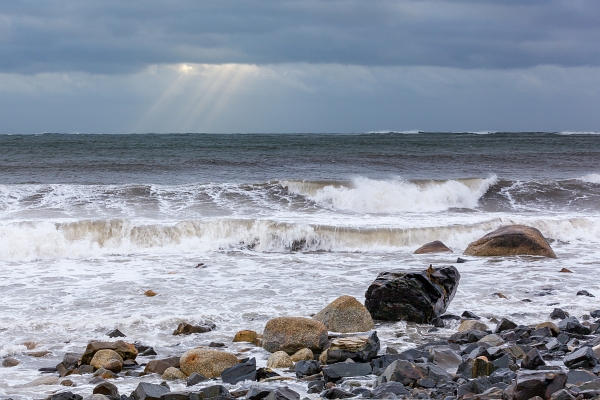
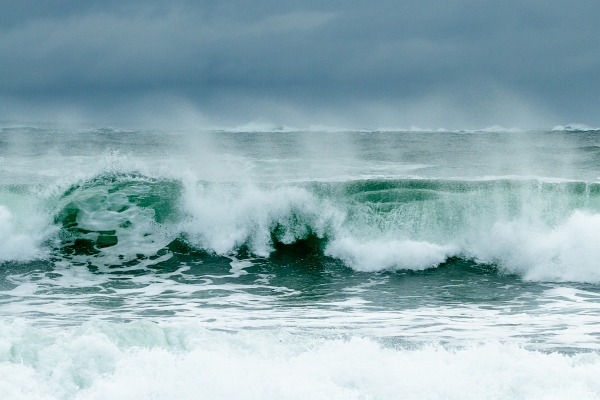
The ocean can be very dangerous, but if you are careful by finding a safe location to photograph from, you can capture some exciting moments as waves are crashing just after a severe storm. Use a longer focal length to be at a safe distance from the ocean.

f/11, 1/1000, ISO 400, @238mm

I really enjoy taking images of streams and waterfalls. It’s such a peaceful experience; the sound of wildlife, the rushing water and wind in the trees, as you sit listening and enjoying your surroundings. It is so nice to just relax and take in what you are feeling even before you get your gear out to create an image. The extra time you spend will even connect you more to your final image.

f/11, 1.3sec, ISO 100, @47mm

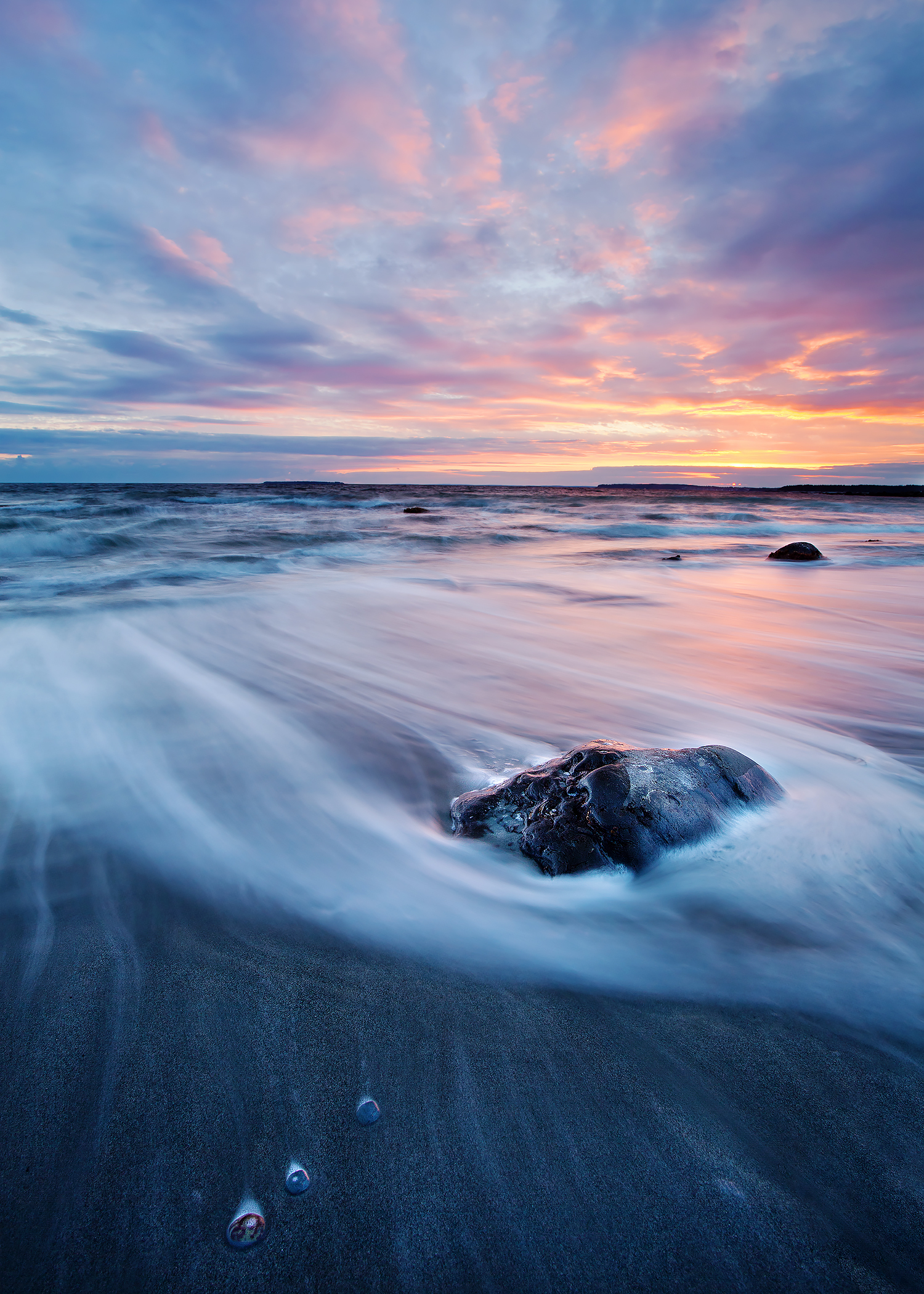
Go back through your images that you took recently or even years ago and I guarantee you will find some absolute treasures that will bring back many memories. This photo was during our vacation a few years ago to Perce, Quebec. As we were finishing up our evening meal at the restaurant overlooking the bay, we saw the light starting to change in the sky and on Perce Rock. After quickly paying for our meal, we rushed down to the water’s edge to capture the moment.

f/16, 1.3 sec, ISO 100, @45mm

We had always hoped to get the opportunity to capture an image of an owl close to home and this year on the 21st of January my wife spotted a Barred Owl in our area. During the snow storm on the next day my wife spotted the owl again and I was able to take a manually focused image of the owl with my camera pointing out the open door of our living room while resting my camera/lens on a stool with a cushion as a makeshift tripod. We were both so excited, what a rush.

f/6.3, 1/800, ISO 2000, @600mm

So go out and create an image that you enjoy, or even look through some of your existing images and take that special journey down memory lane.

Students are encouraged to develop their ability to tell a story or invoke an emotion, as well as how to plan and troubleshoot while creating their images. As such it’s important to not only create the image but to also include a “title”, and write a short paragraph about; how they came up with the idea, any interesting back ground that compelled them to make the image, and describe any techniques on how they overcame any obstacles.

As always with our monthly theme challenges we try to seek out an instructional resource, below are some YouTube video links to help with some important tips, hints, ideas, or just somethings to think about.
Enjoy Your Photography instructional aids:
How to AVOID frustration and ENJOY photography by: David Dixon Photography (6min 56sec)
Photography 28: Learn to Enjoy your own Photography (not just the gear) by: Ira Crummey (6min 51sec)
Feeling Like Your Photography Sucks by: First Man Photography (19min 40sec)

An important part of improving your photography is practice, which is one aspect of the monthly theme challenge, in addition you have an opportunity to learn about different genres, techniques and tips.