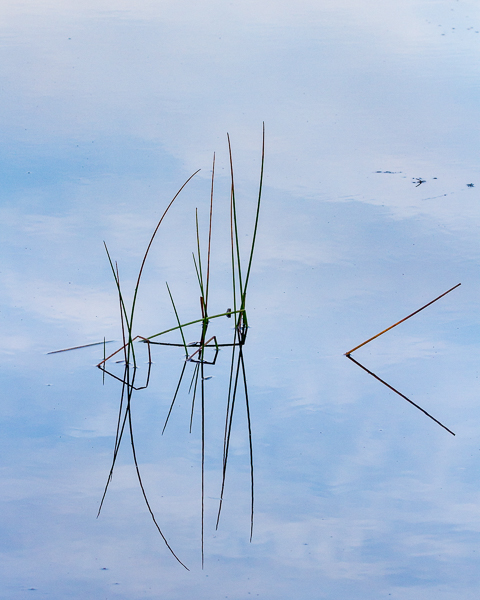
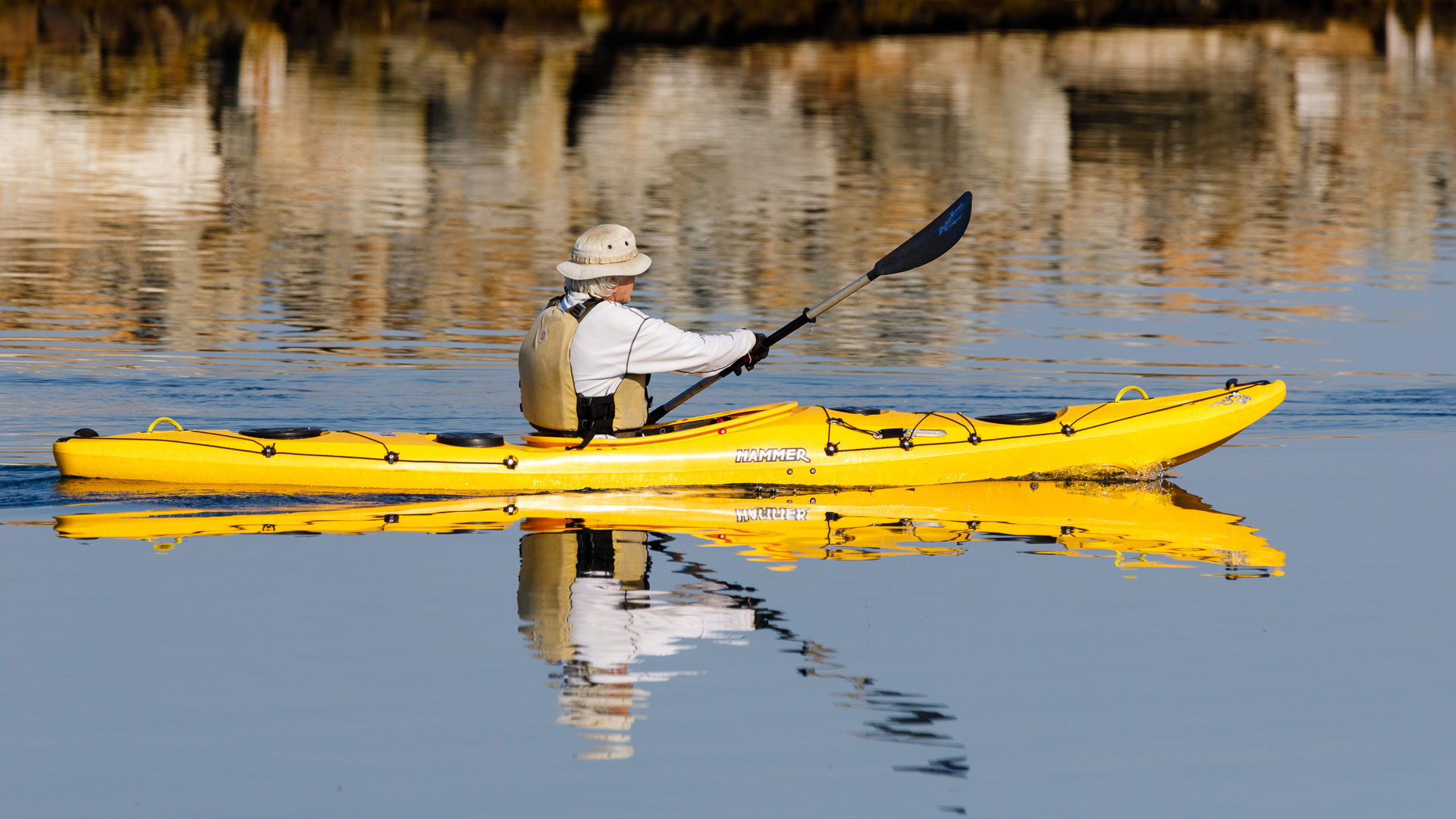
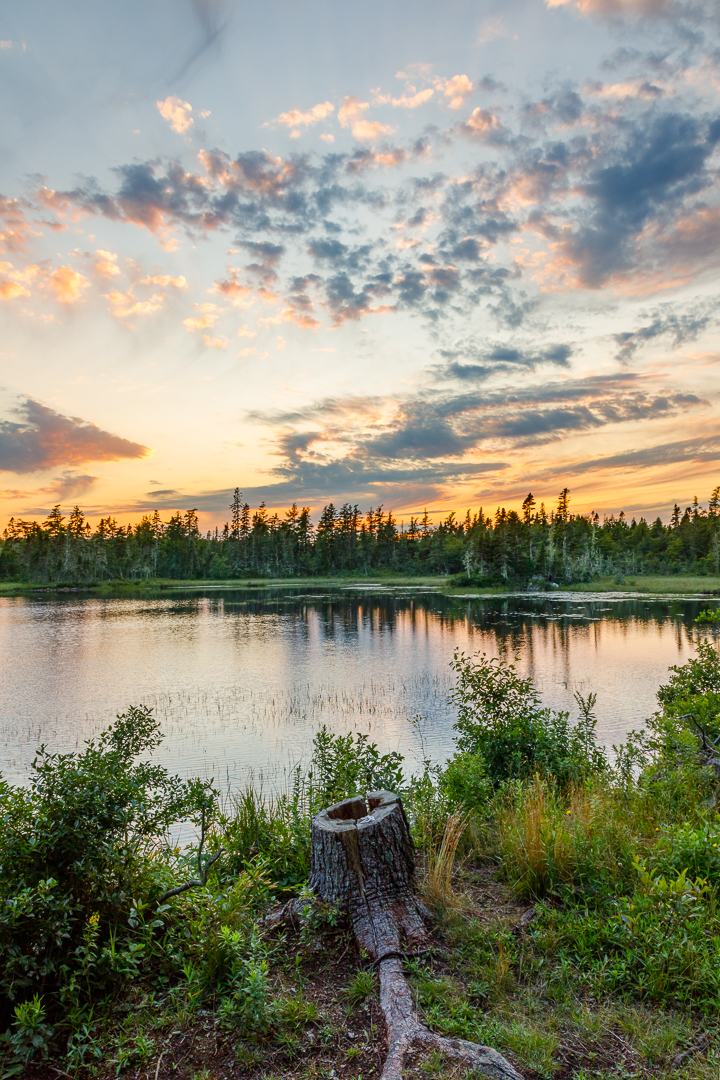
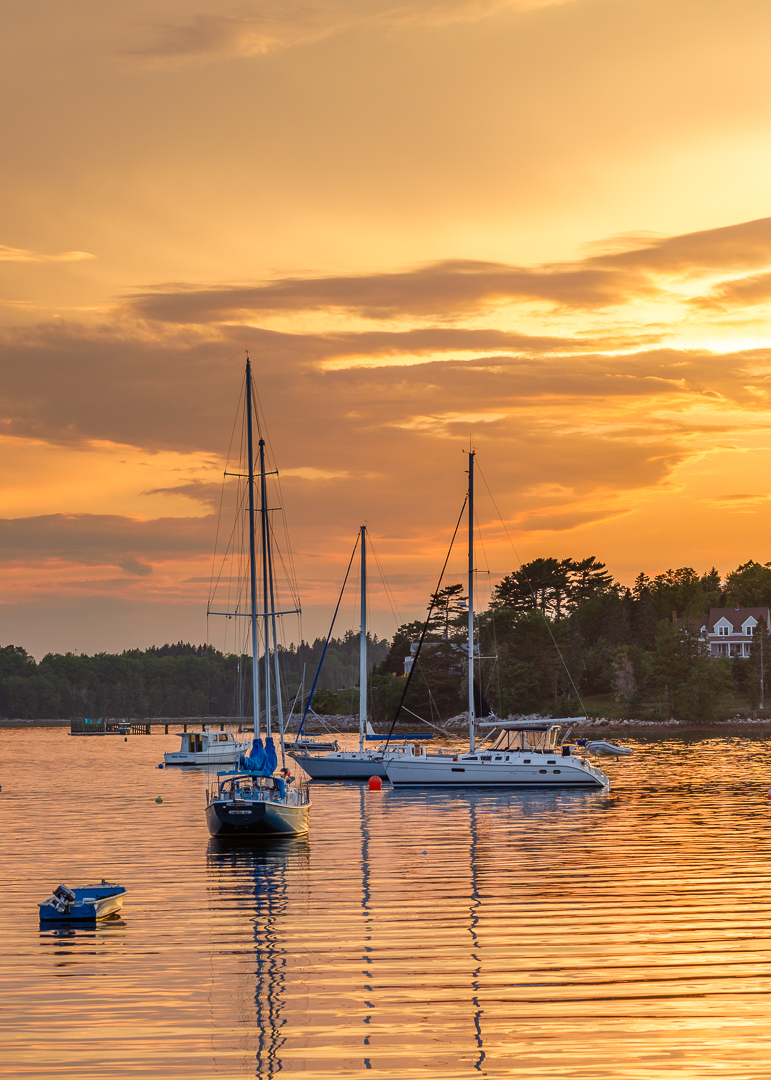
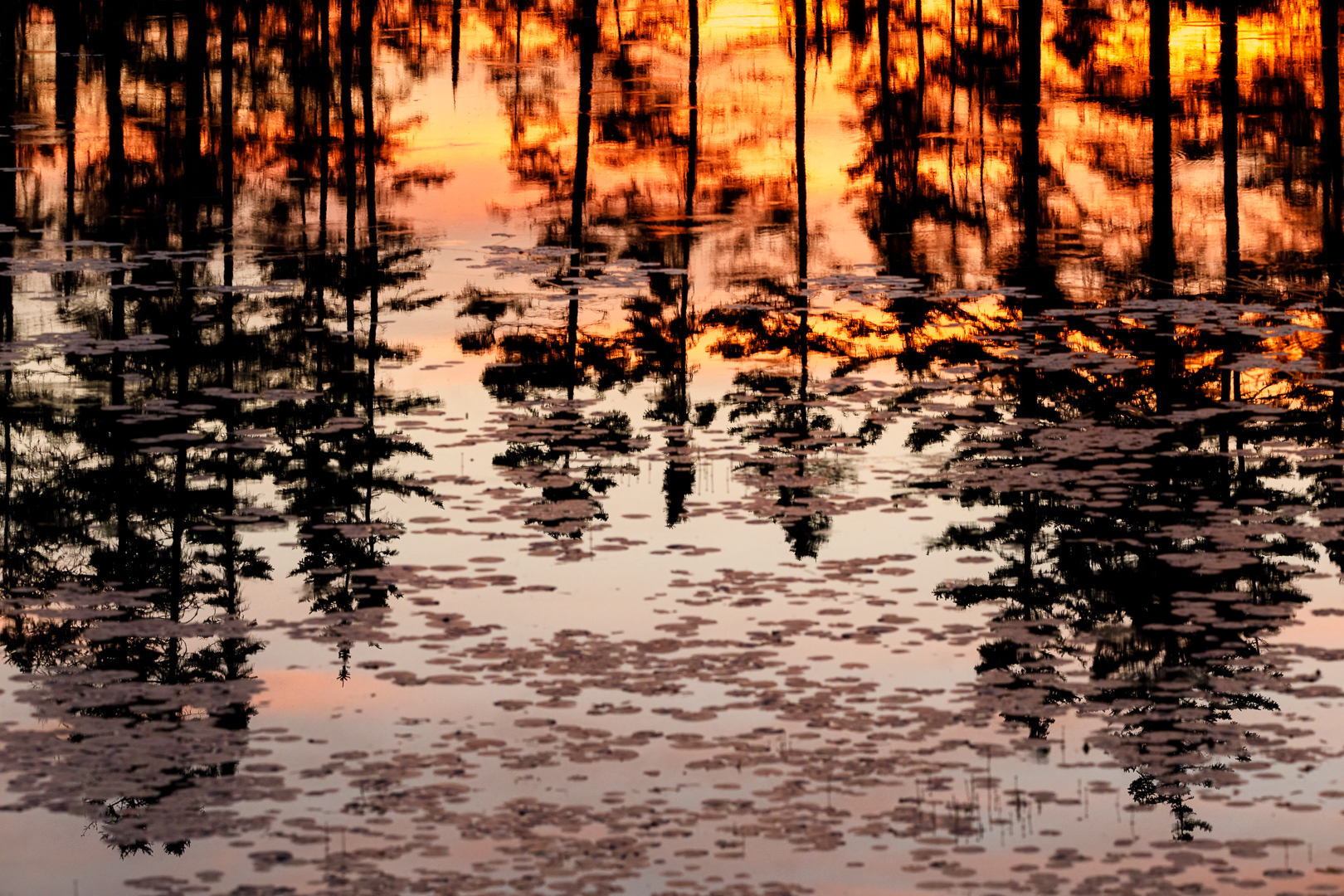
This month I encourage you to use water in your images. Water can either be the subject or be used to help add more interest to your images, for example the grass and sky reflection in the calm water shown in this photo.
Water can be calm which allows the use of reflections to add more interest to your image, or be turbulent created by water movement, wind or storms. Water can also be in the form of rain or artificial form a water hose as an example.
Just think of all the creative possibilities that water can bring to your images.
Below are only some examples for ideas.
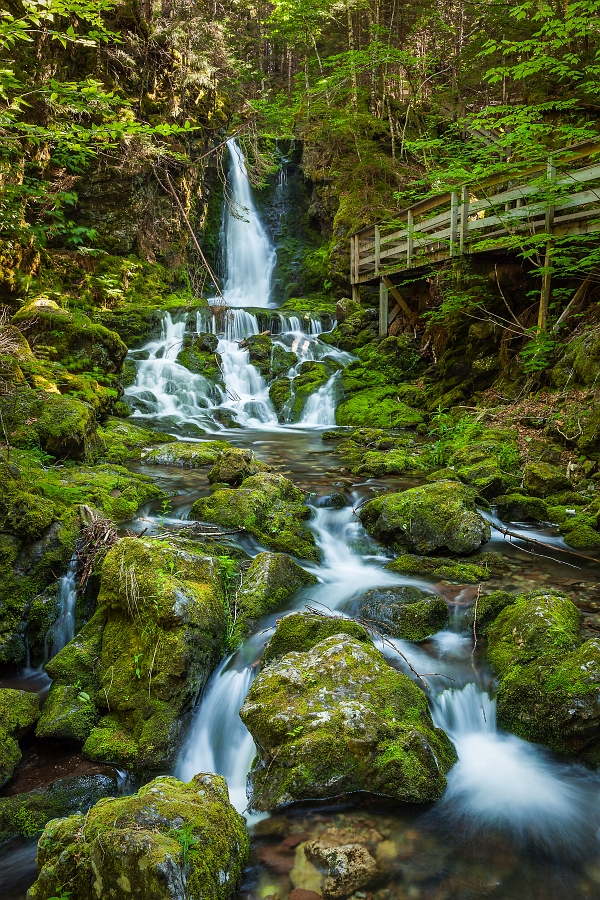
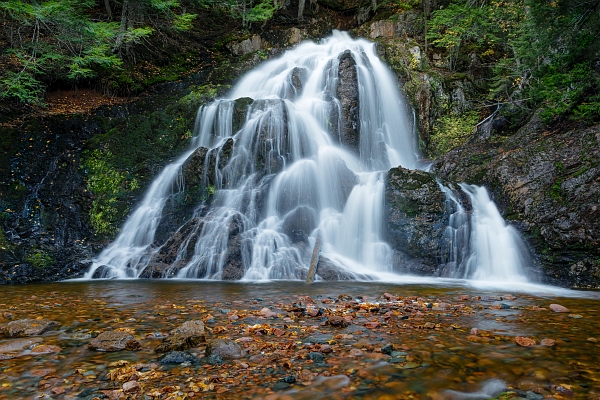
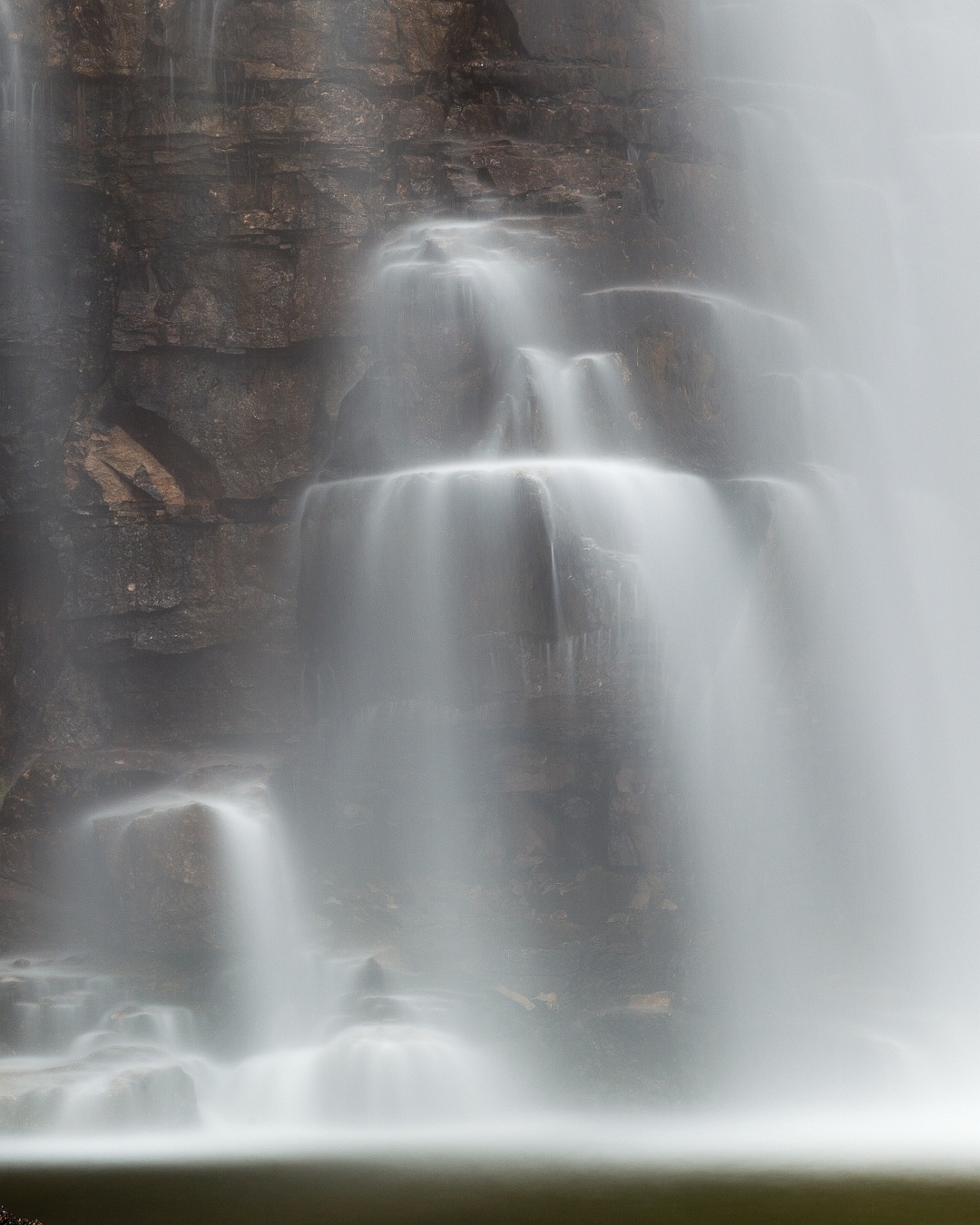
Waterfalls; Now that the rainy season has begun, you now have the opportunity to photograph some water falls. Remember to not only capture the entire waterfall but also to isolate some detail using a longer focal length lens to get capture that dreamy image. It doesn’t matter if the waterfall is big or small there is always an image to be made while at the same time enjoying the sounds of the water and wildlife. Refer to the November 2020 Waterfall Theme Challenge for some additional ideas and techniques.
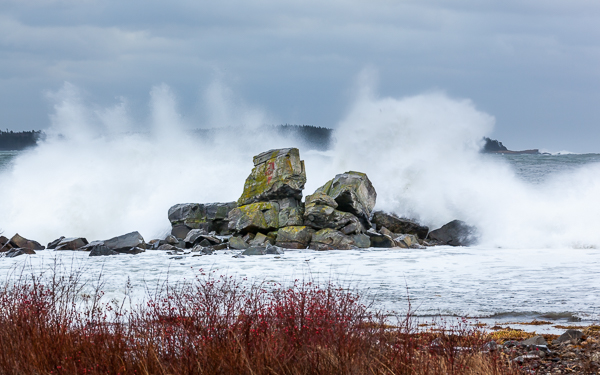
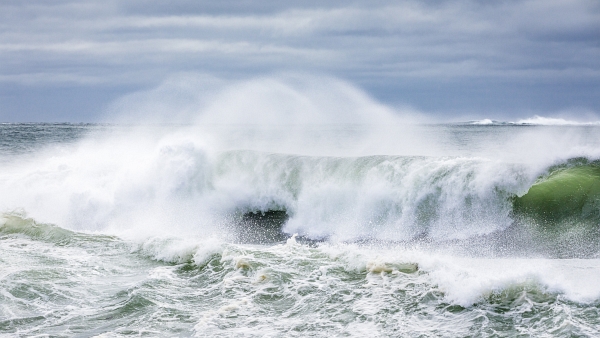
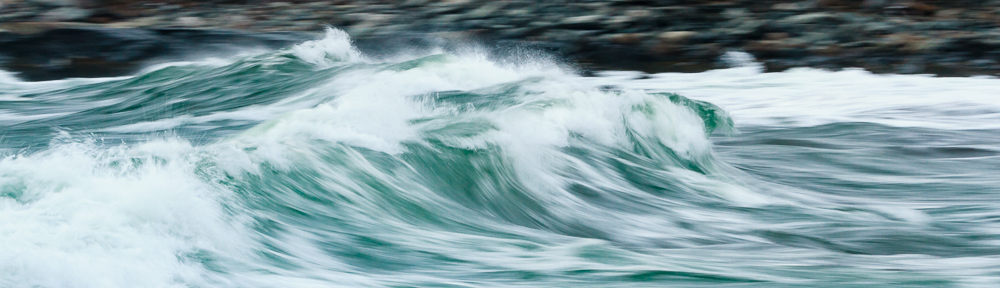
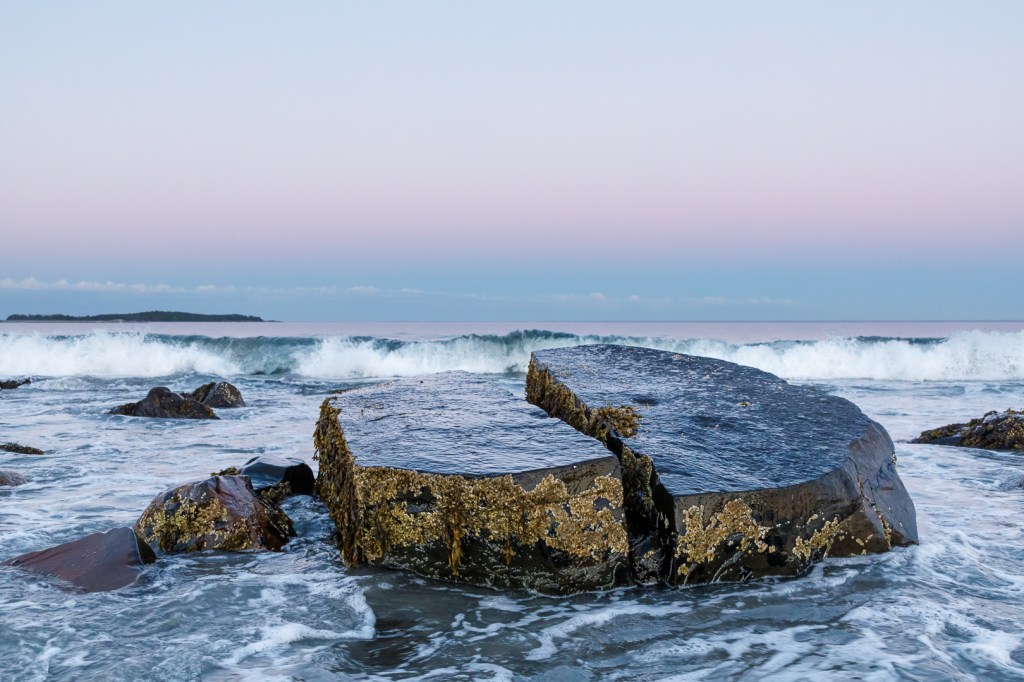
Waves; Now that the hurricane season has begun there is an opportunity to capture some large wave activity, just keep safety in mind when you are close to the shoreline it can be very dangerous. Just use a longer focal length lens and stay back a safe distance and its a good idea to have someone come along with you. You can also capture some unique images of the waves created by a boat, with the image from the wake of a boat at golden hour you can end up with a timeless photograph. It’s also possible to use slower shutter speeds and use a panning technique following the wave to create something a bit different, a slower shutter speed of around 1/15 sec or slower and place yourself along side the waves instead of in front. Refer to the December 2019 Seascapes Theme Challenge for some additional ideas and techniques.
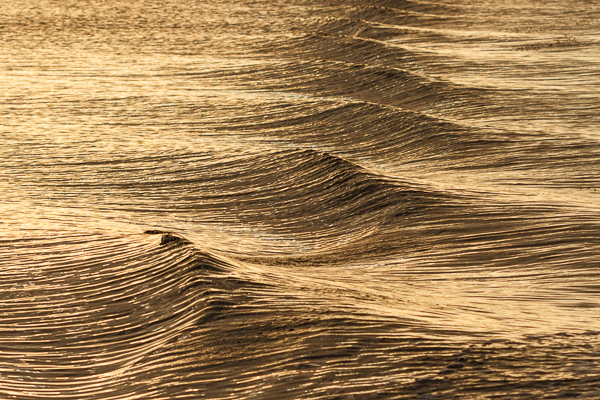
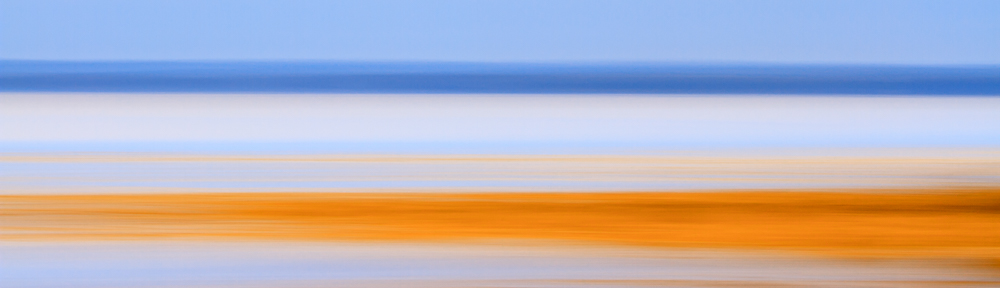
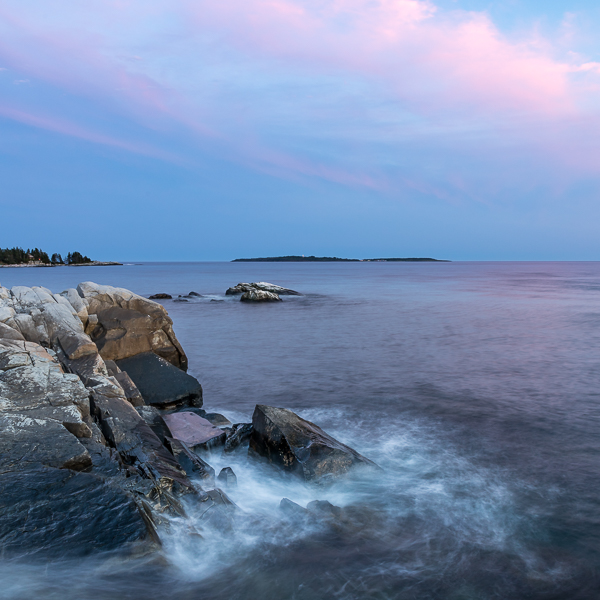
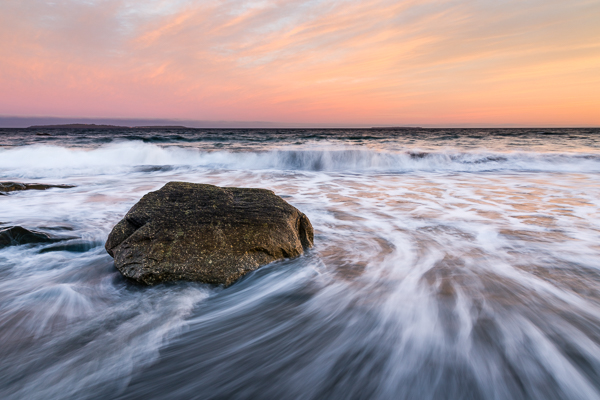
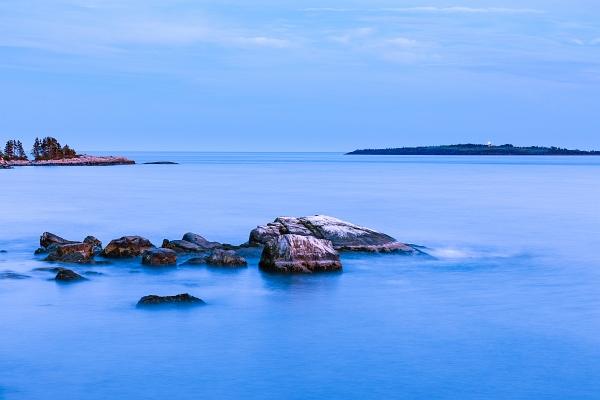
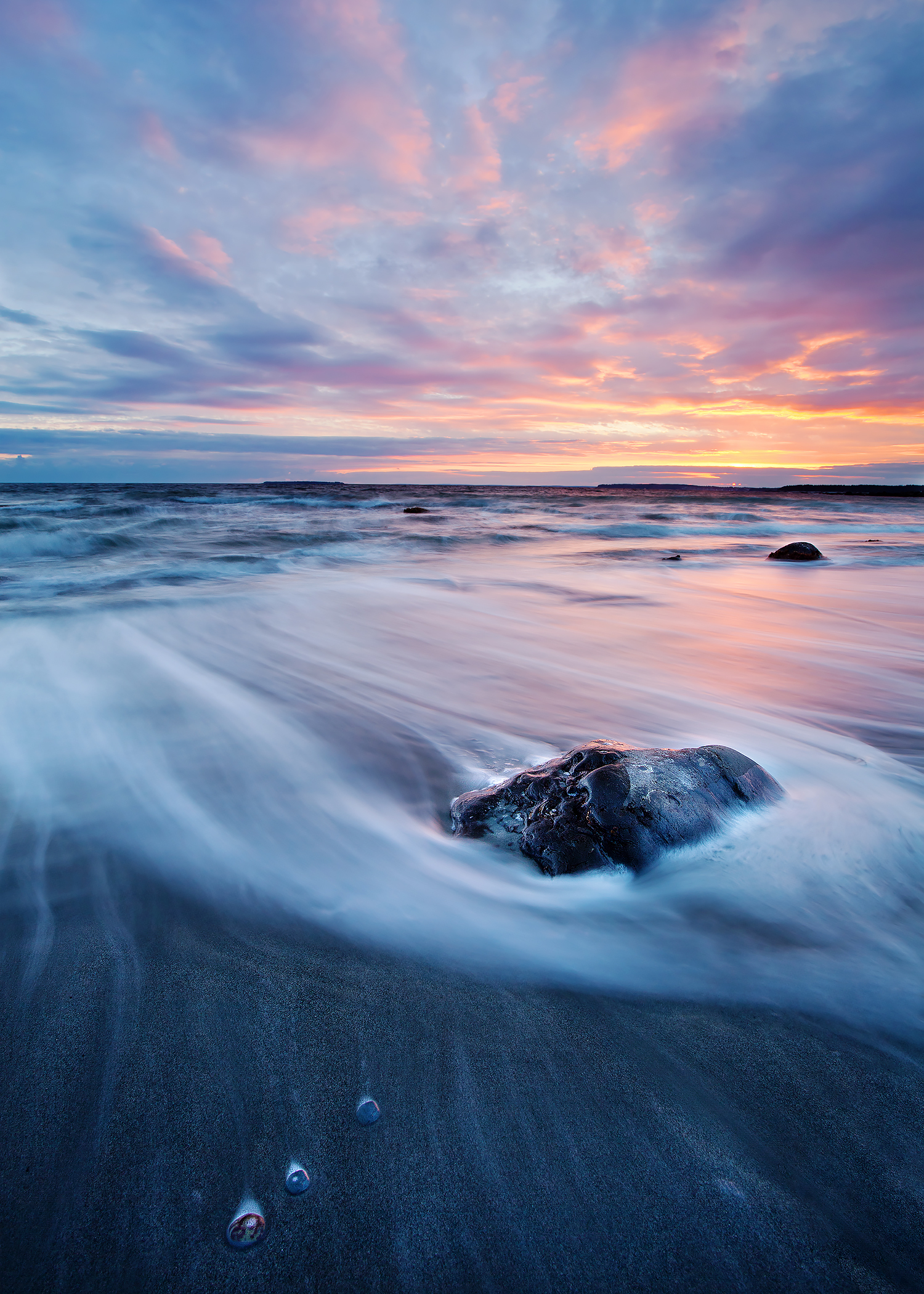
Long Exposure; To obtain a long exposure we need to lower our shutter speed which can be a challenge if you do not have some of the special equipment required such as a tripod, remote trigger, and ND (Neutral Density) filters. If you do not have ND filters the slower shutter speeds can be more easily obtained when the lighting conditions are low, such as in the early morning or late in the day when the sun is below the horizon which is referred to as civil twilight. This is when the sky can light up and be completely magical. The ISO is typically set to 100, with shutter speeds from 0.5sec to 5sec and an appropriate small aperture f/11 – f/16 to help obtain the right exposure and for the appropriate depth of field. For the streaks as the water is receding you need to pick the right time to press the shutter. If you do not have a remote trigger you can use the 2sec timer function in your camera it just takes a bit of practice to get used to when to push the shutter.
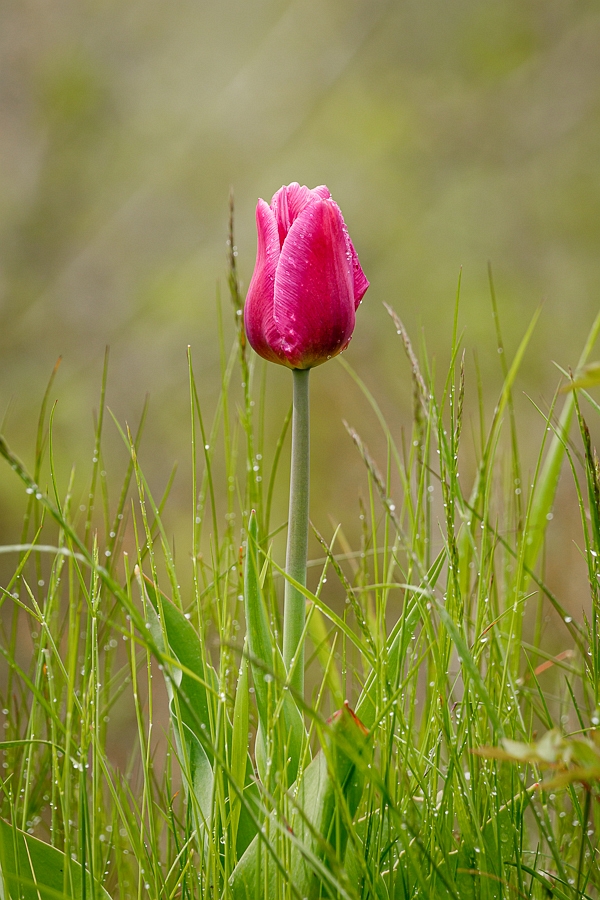
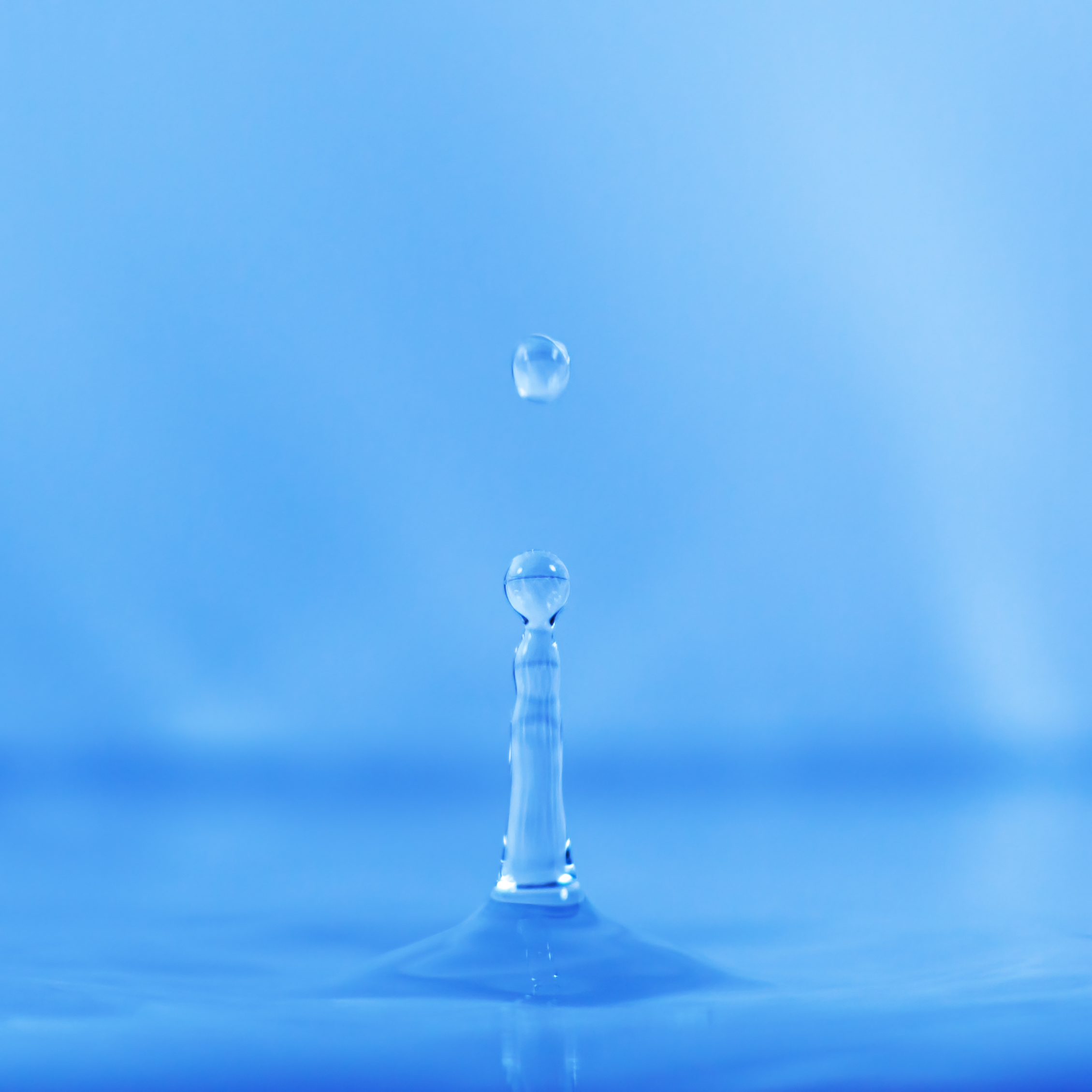
Water Drops; You can take advantage of photographing subjects with water drops on them after a rainfall such as flowers, windows, or flat colorful surfaces. Capturing water drop splashes can also be a lot of fun to try and there are many ways to accomplish these type of photos even with out special equipment. Take the time to watch the videos below about water drop photography which cover a DIY method and with using special equipment. There are many ways to do this with minimal gear but it does take patience so have fun giving it a try.
Stretch your creativity and let’s see what images you create this month.
Students are encouraged to develop their ability to tell a story or invoke an emotion, as well as how to plan and troubleshoot while creating their images. As such it’s important to not only create the image but to also include a “title”, and write a short paragraph about; how they came up with the idea, any interesting back ground that compelled them to make the image, and describe any techniques on how they overcame any obstacles.
As always with our monthly theme challenges we try to seek out an instructional resource, below shows YouTube video links to help with some important tips, hints, ideas, or just something to think about.
Water Photography instructional aids:
■ How to Get Started with Long Exposure Photography by: Mark Denney (15min 26sec)
■ How To Photograph Water Drops At Home by: Gavin Hoey (6min 53sec)
■ How to Do Water Drop Photography, Testing the MIOPS Splash Kit by: First Man Photography (18min 21sec)
An important part of improving your photography is practice, which is one aspect of the monthly theme challenge, in addition you have an opportunity to learn about different genres, techniques and tips.


 © You Can Learn Photography