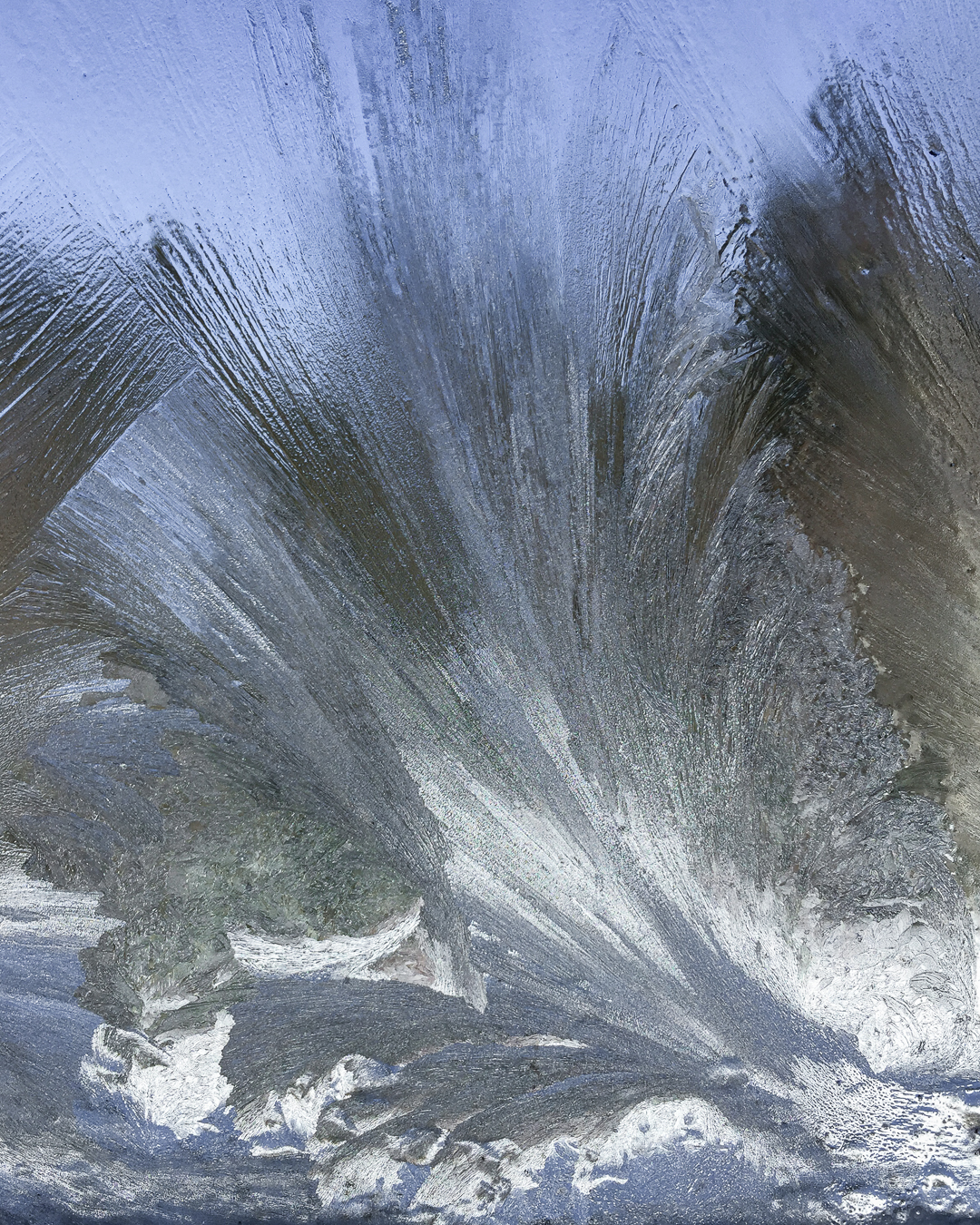
For this month, January 2023, the theme challenge is “Winter”. It’s that time of year when it’s cold outside but if you do decide to brave the environment you will have the opportunity to see how the snow and ice can be your subject or how the effects of snow and ice can complement your subject. Now there are some days that it may be too cold to take your gear outside, in such cases look to see if there is frost on your windows, you’ll see some possibilities for interesting images.
Taking photographs in the cold weather has it’s challenges; your digital gear may not work if the temperatures are extreme (keep your spare batteries in a pocket close to your body to keep them warm), keeping yourself warm and comfortable, be careful not to fall, as well as keeping your gear free from condensation. After your photo shoot, if you want to load your images on your computer as soon as you arrive home, remove your memory cards from your camera before you go inside so you don’t have to expose your camera to the inside warm air.
Protecting your gear; Taking your camera gear from a warm environment to the outside usually does not cause any issues, however when going from the cold back into a warm environment is where condensation can quickly form on your camera/lens and this is where it can be harmful to your gear, eventually causing spots on your external and more seriously the internal lens elements which eventually causes mold to form. Before going in to a warm environment from the cold, place your camera/lens back inside your camera bag (your bag needs to be padded with zipper closed) this will allow your gear to raise in temperature slowly and therefore condensation will not happen. An additional protection tip is to put your camera/lens in a double zipper x-large Zipper Seal (Dollarama 33cmx39.6cm / 12.9″x15.5″) bag, this will allow the condensation to form on the outside of the bag and not on your camera/lens.
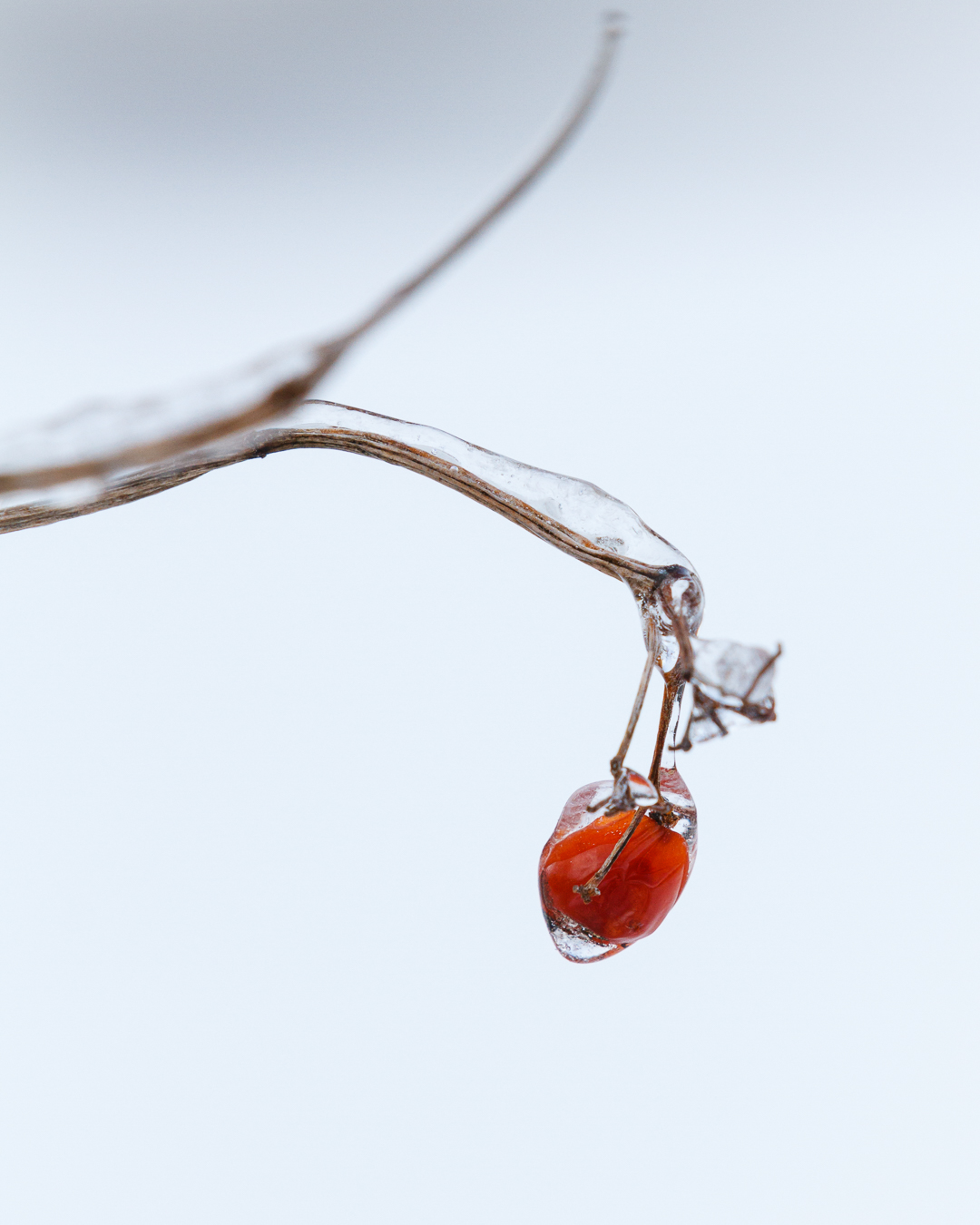
When the temperatures are bordering the freezing mark there is always a chance of freezing rain, this creates magical conditions and depending on the light you can create some interesting images. Be careful, it can be very slippery so use the proper footwear with cleats or crampons so you don’t fall.
You can have fun taking images inside as well, if there is frost on a window. Frost forms on windows if there is a bit of humidity inside when it is very cold outside. Usually you’ll see it early in the morning before the sunlight directly hits the window causing it to warm up which melts the frost. Consider your position in relation to the outside which will be your background to get the best composition. Remember about minimum focus distance of your lens, you may have to be a little further away to be able to auto-focus.
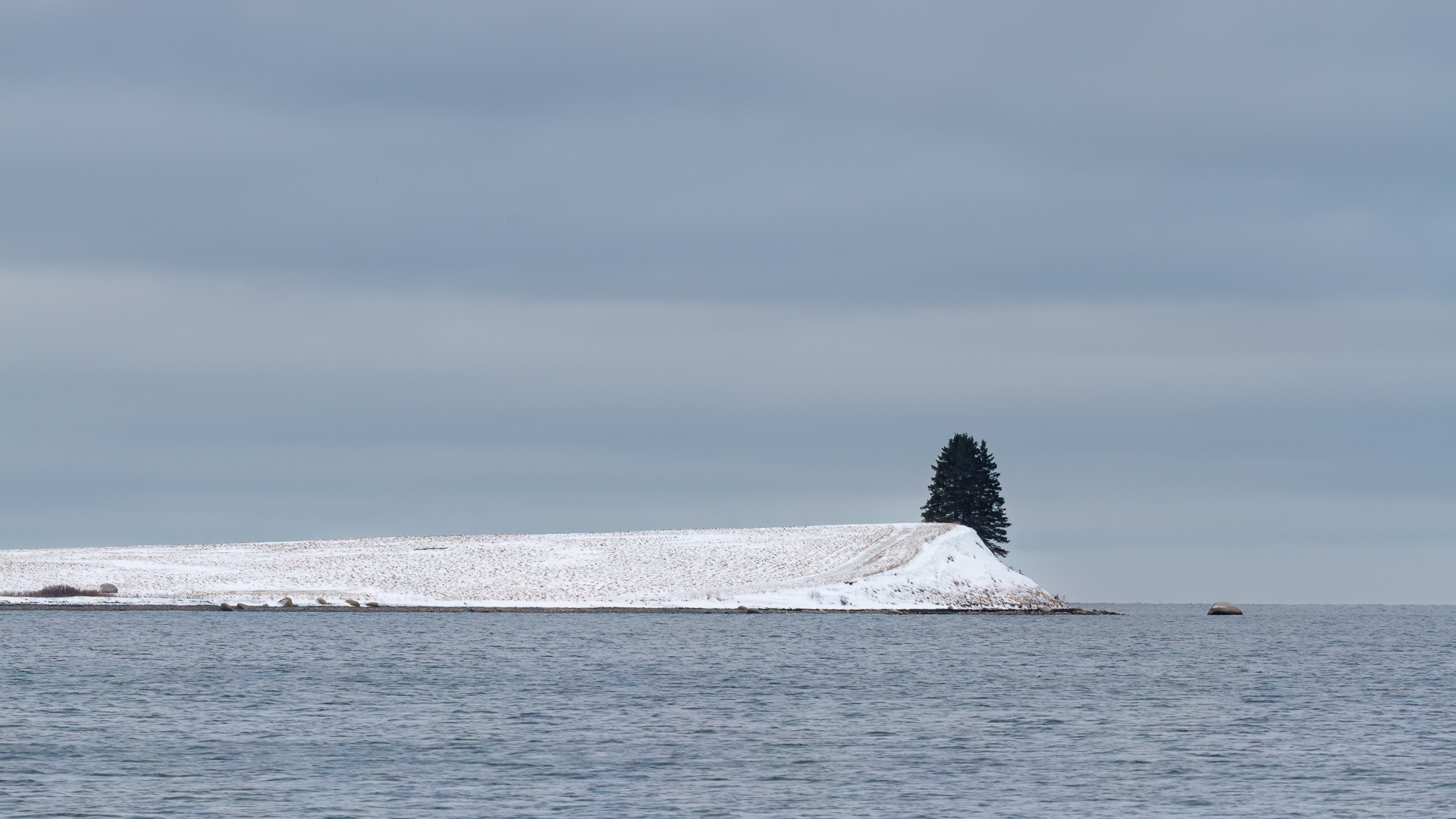
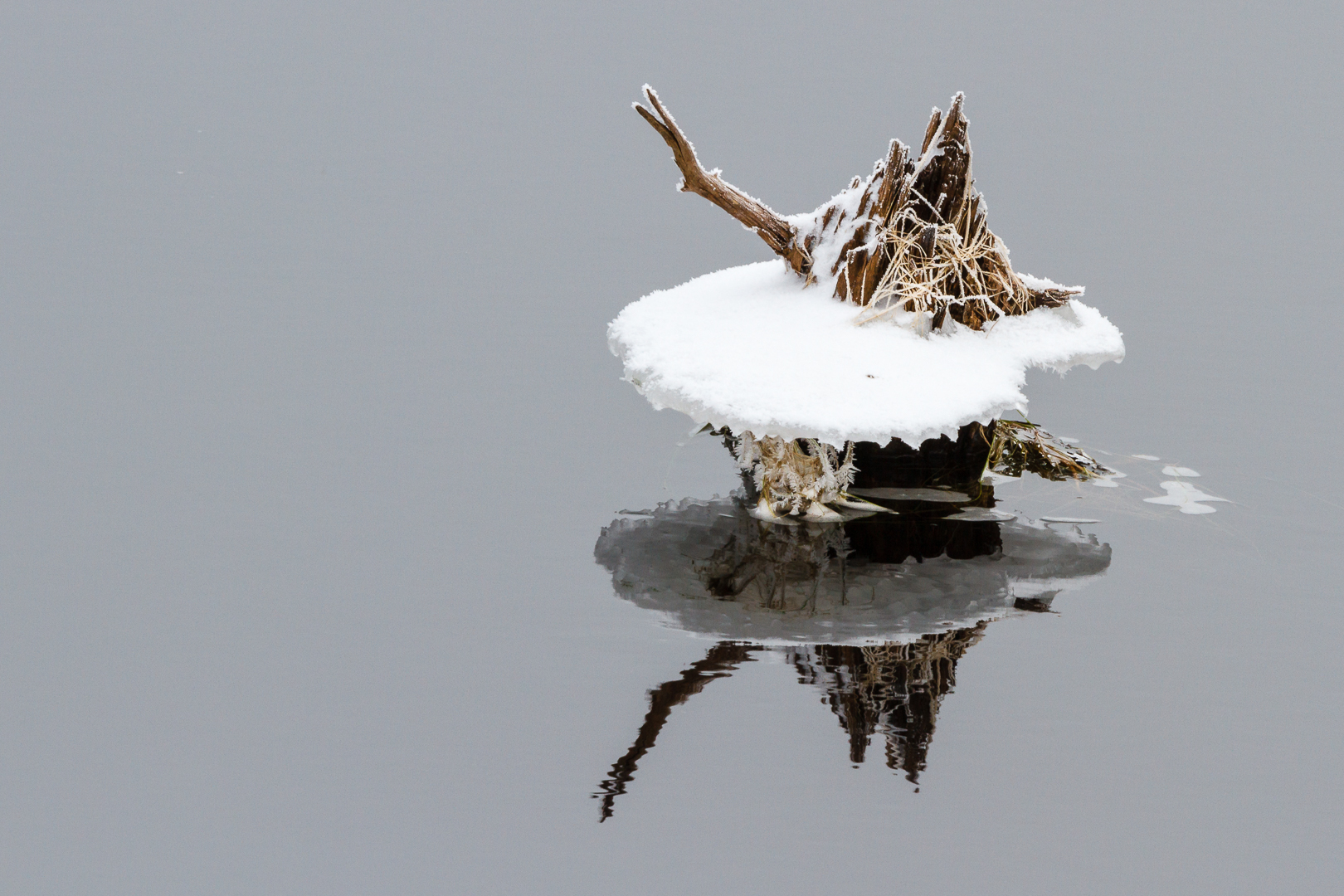
Snow can help remove distractions in the landscape to create a more minimalistic image and also so how resilient subject elements in your image can be. Depending on the overall conditions and camera colour temperature setting used an image can project a cold and remote feeling to the viewer.
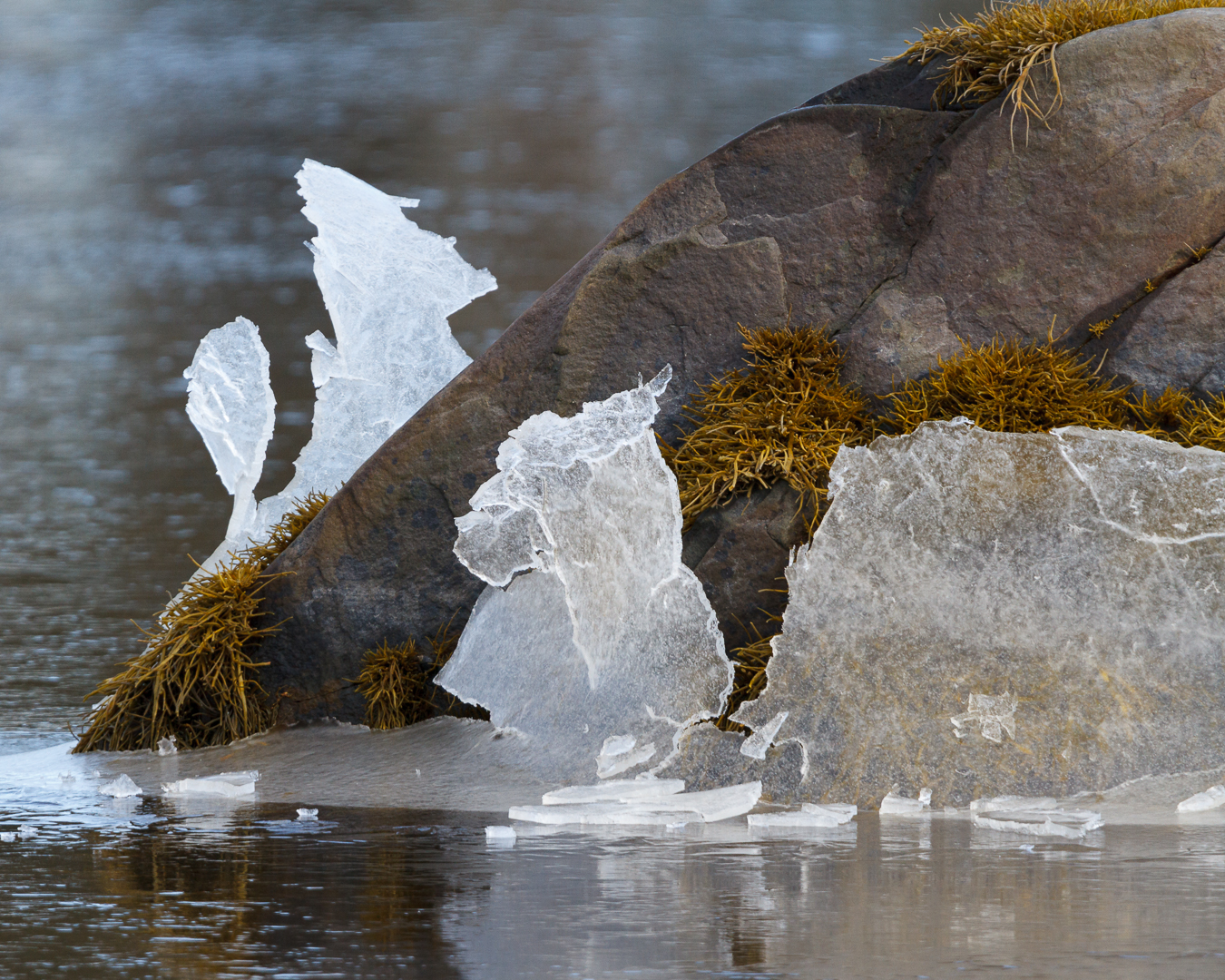
With ice it’s a matter of catching the right light and angle to make your images more interesting. Look for interesting conditions such as changes in water level which can cause ice to appear elevated or rocks that push the ice up creating interesting shapes.
Keep warm; To enjoy your time out in the cold dress in layers with thermal socks for your feet and gloves that allow you to operate your camera and keep your hands warm. If you are in icy conditions use crampons or cleats on your boots, they will keep you from falling so you don’t get hurt or break your gear.
White balance; Set the white balance to match the weather condition; use sunny, cloudy or custom. If you are not sure use auto but the result may not be as good (depending on your camera) as my previous suggestions.
Exposure; The challenge in taking a photograph with snow, frost or ice conditions is getting the right exposure. If you let your camera automatically pick the exposure you will immediately see that the snow, frost and ice is more gray than white. This is because the camera’s auto exposure is based on 18% gray, which is the amount of light reflected from a 50% gray surface. To solve gray looking snow, frost and ice, set your “exposure compensation” at +2. If you see the “highlight alert” on your display then back off the exposure compensation by -1/3 at a time until you no longer see the “highlight alert”. You will then have the proper exposure for shooting with snow or ice conditions.
The same exposure technique goes for manual mode, set your exposure until your camera meter shows +2. Then take a photo and see if you see any highlight alerts, if you do then back off the exposure by -1/3 increments until you no longer see any highlight alerts. Your final best exposure for auto or manual exposure is usually closer to +2 than +1. You can review the blog articles on exposure compensation and highlight alert if you need help.
If you want to share your image there is no facility to upload your image here, however just paste your social media link to the image in your comment and we’ll be able to see your image. Please note comments are moderated so it will not show up right away, however we do get a notification when any comment is posted so it won’t take long to get approved and subsequently show up. By posting your social media link of your image in your comment, it gives everyone visiting the bog a chance to not only see your image for the challenge but also the ability to look at your other work as well by visiting your social media through your link. We want sharing to be a positive experience and we hope you have fun this month with this challenge.
Students are encouraged to develop their ability to tell a story or invoke an emotion, as well as how to plan and troubleshoot while creating their images. As such it’s important to not only create the image but to also include a “title”, and write a short paragraph about; how they came up with the idea, any interesting back ground that compelled them to make the image, and describe any techniques on how they overcame any obstacles.
As always with our monthly theme challenges we try to seek out an instructional resource, below are a number of YouTube video links to help with some hints and ideas.
Winter Photography instructional aids:
■ How to take amazing photos in the snow: by Gavin Hoey (3min 53sec)
■ Landscape Photography Tips & Techniques, Winter Freeze: by Thomas Heaton (15min 55sec)
■ Snow Landscape Photography Tips: by Micael Widell (10min 17sec)
■ Landscape Photography in the Snow, Winter in North Yorkshire by: First Man Photography (11min 5sec)
An important part of improving your photography is practice, which is one aspect of the monthly theme challenge, in addition you have an opportunity to learn about different genres, techniques and tips.


 © You Can Learn Photography