April Theme Challenge – Signs of Spring

This month, April 2023, it’s pretty much open for any genre with the only criteria being that your image should represent for your local area a subject that identifies spring is happening. This should be a fun challenge and hopefully encourages you to get outdoors to practice your photography. Below you’ll find a few examples but not limited to what is out there for possible subjects.

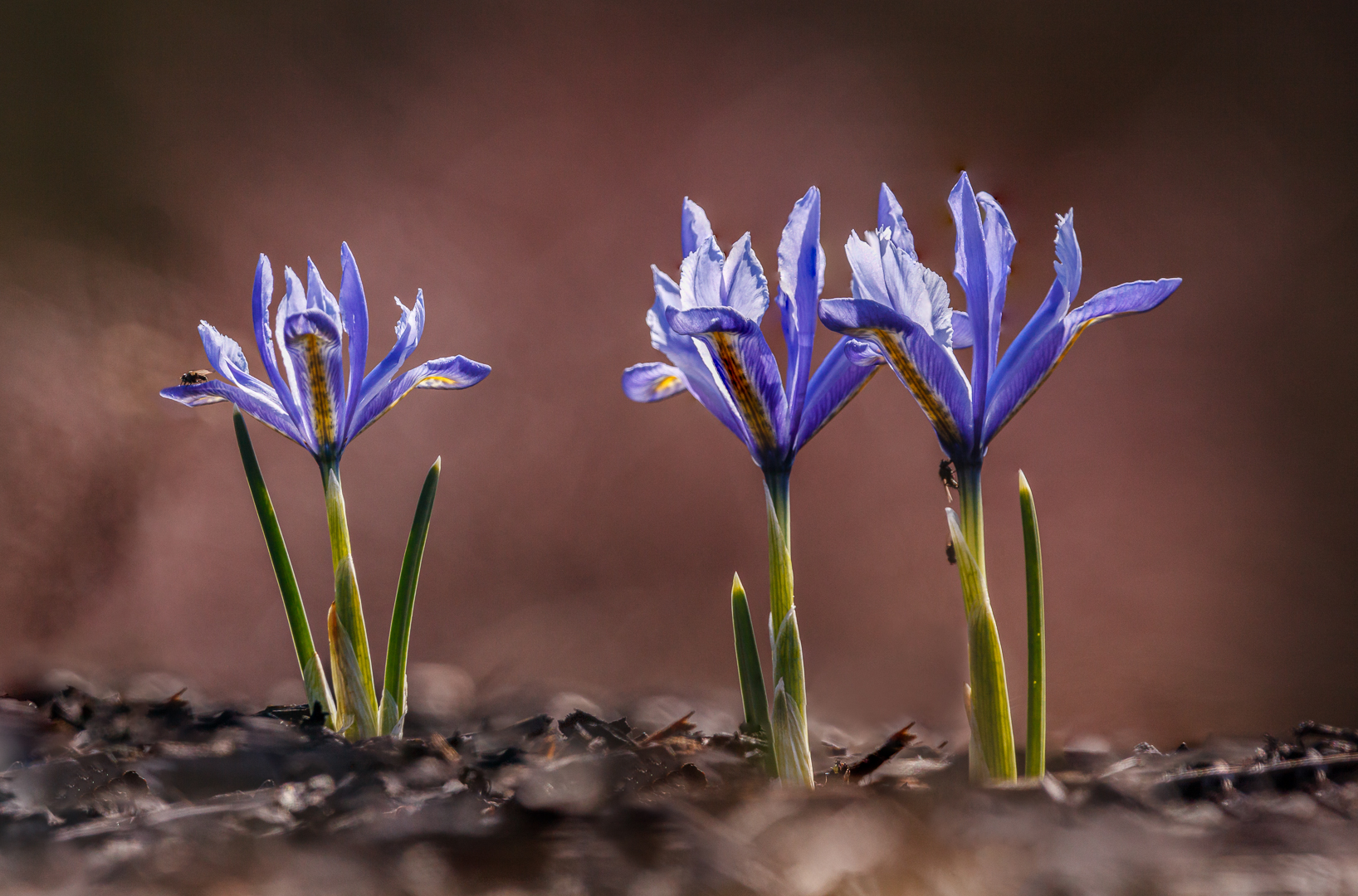
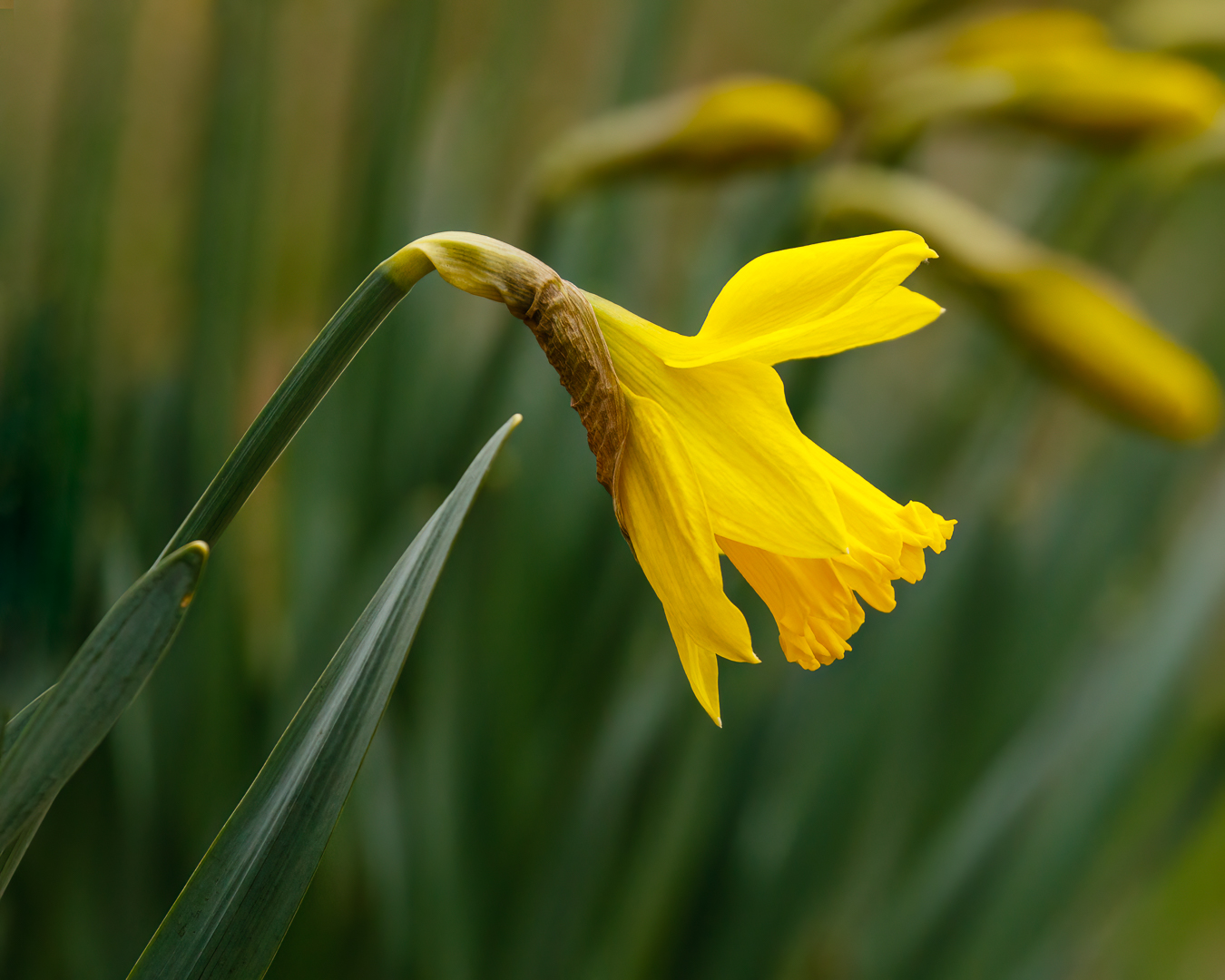
Now that spring has begun you’ll see flowers and buds starting to show which can make for great subjects. The main things to consider are; plane of focus, depth of field, clean background, and watch out for over exposed highlights depending upon the available light. As with most of our photography consider composition to help your subject stand out as well as minimize distractions.

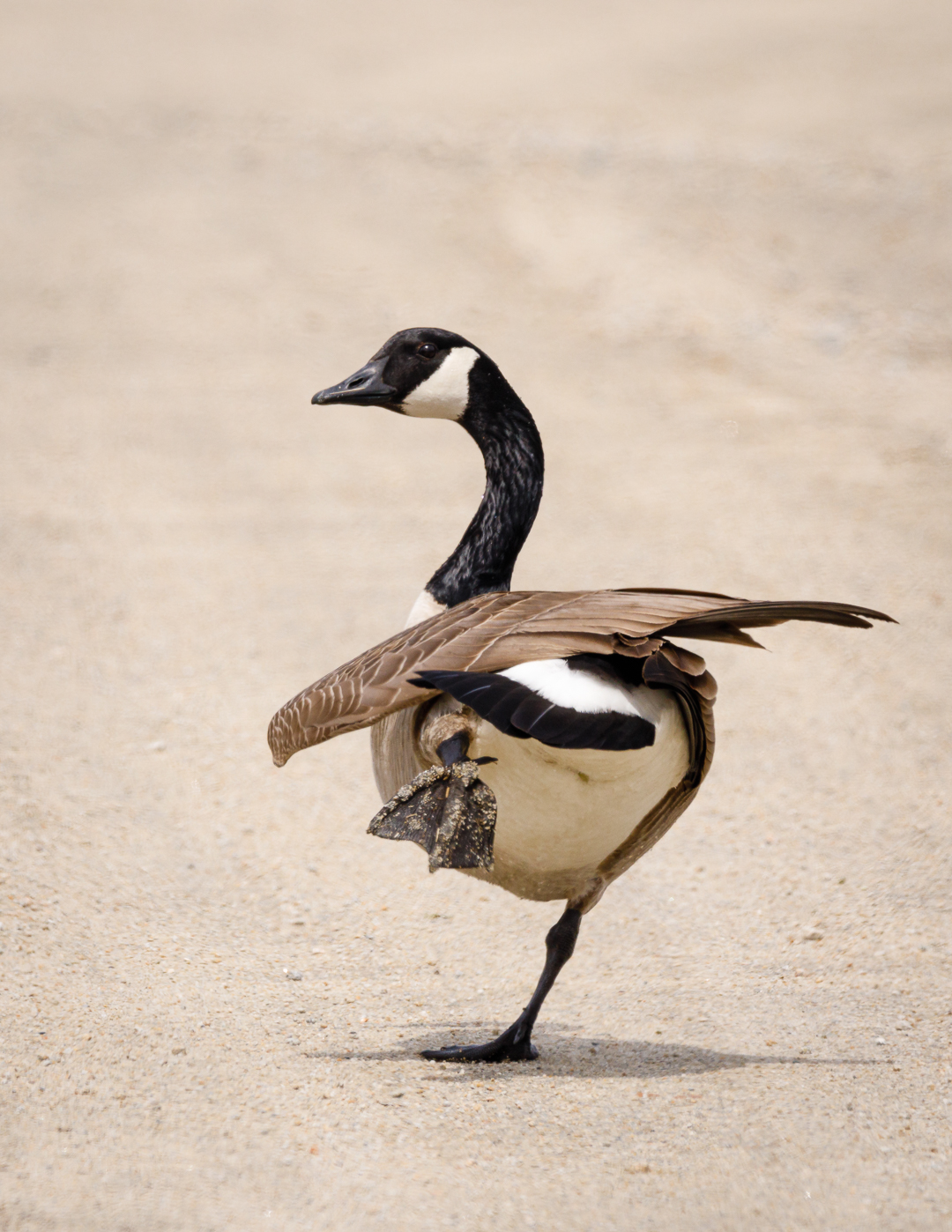
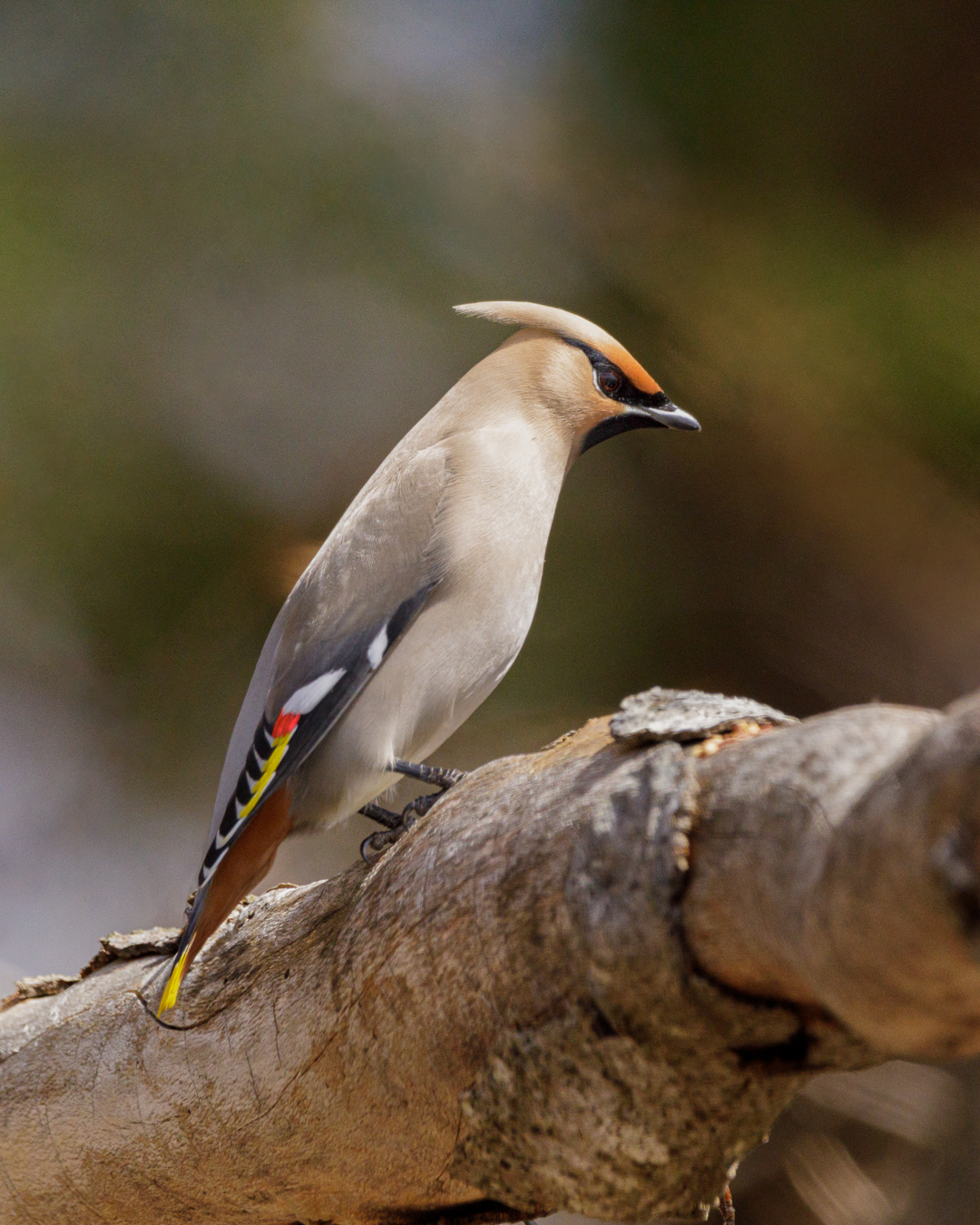
Wildlife will be more active including many species of birds as bird migration is also occurring during spring which provides great opportunities to photograph them. However, it’s important right now to be aware if avian influenza is prevalent in your area and if so you should take precautions to avoid direct contact especially if there is any bird feces in the area and to stay clear while making sure there is no contact with your foot wear because the avian influenza can transfer to your pets. It’s also not recommended to be feeding birds when there is recorded detection of the avian influenza. The best practice is to be informed, so here are a few links to help:

Avian Influenza – Wildlife Dashboard (Map+Data)
Canadian Wildlife Health Cooperative
Canadian Food Inspection Agency
Avian Influenza Fact Sheet

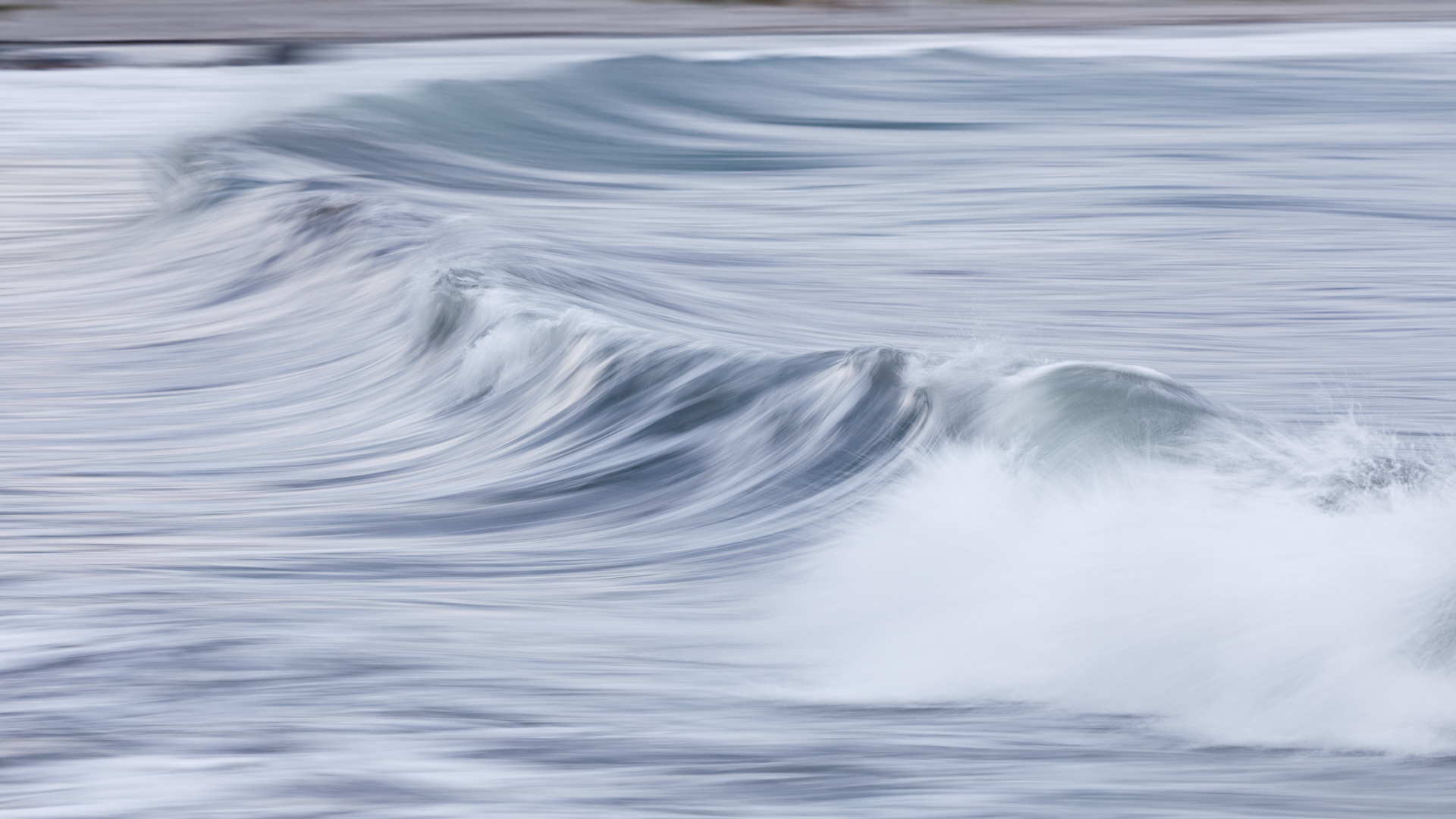
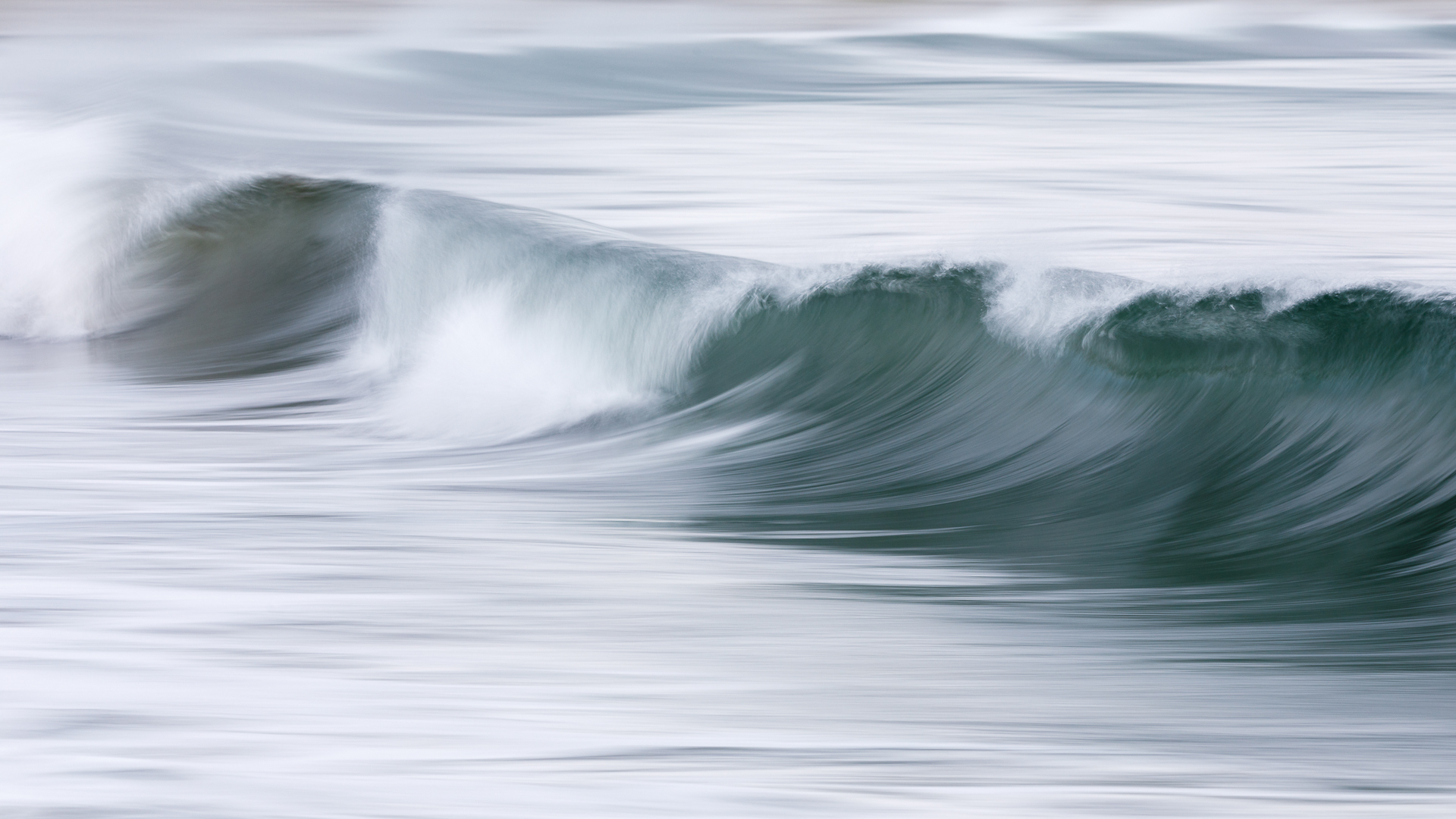
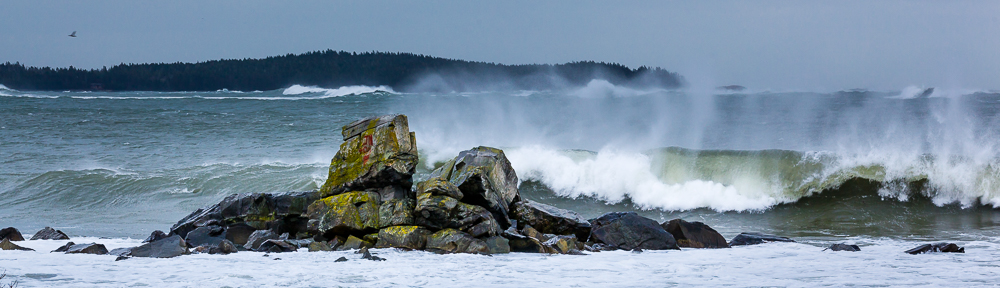
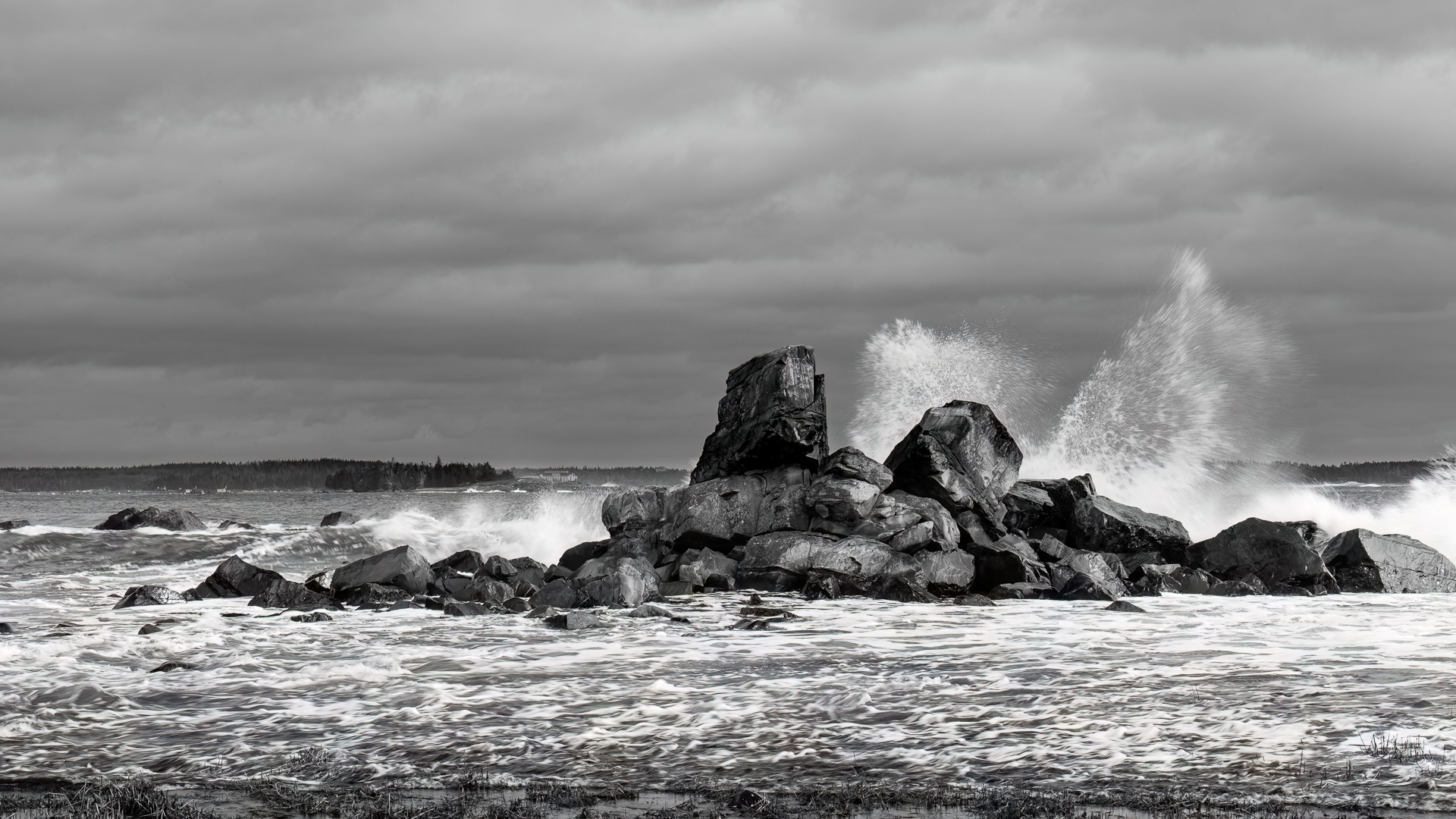
In the spring time there are weather events that can provide opportunities. Capturing waves is just one possibility. Using a slower shutter speed allows us as photographers to show motion in our images such as using a panning technique to create interesting wave images or just use a fast shutter speed to freeze the action. Either way waves are a great subject to have fun with. If you are interested in finding out how to do intentional camera movement (ICM) you can find out more in our blog post September 2019 Theme Challenge on ICM.

As always with our monthly theme challenges we try to seek out additional instructional resources. Below are some YouTube video links to give you more hints and ideas.
10 Creative Spring Photography Ideas By: B&H Video (5min 14sec)
Spring Photography Ideas By: The School of Photography (16min 12sec)
7 Photo Ideas to Improve Your Spring Photography By: Nigel Danson (16min 50sec)

An important part of improving your photography is practice, which is one aspect of the monthly theme challenge in addition you have an opportunity to learn about different genres, techniques and tips.
March Theme Challenge – Monochrome

For this month, March 2023, it’s a great time to think about creating “Monochrome” images when in general there is a lack of colour in the landscape.

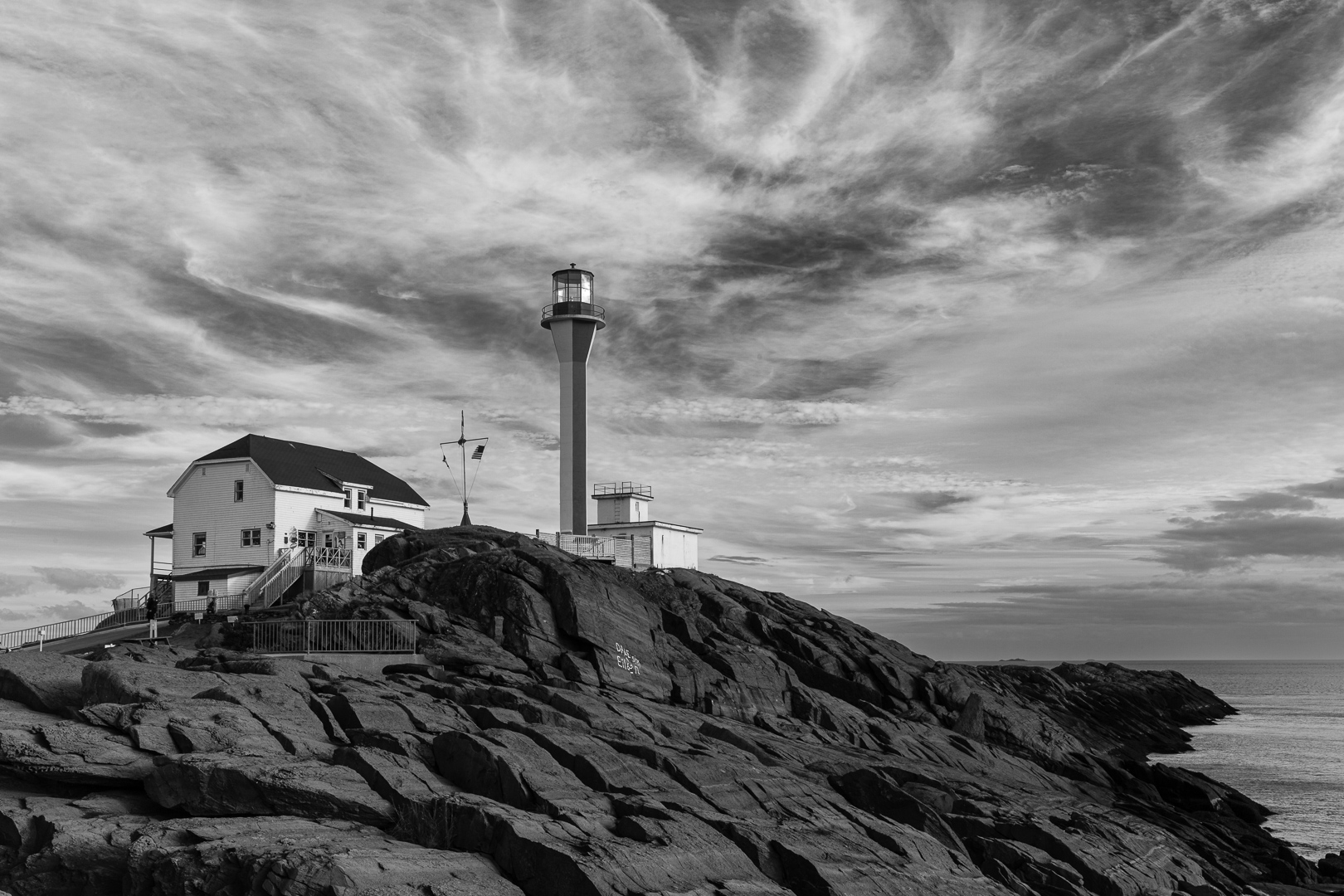
There are many opportunities for monochrome images such as using dramatic clouds to complement your subject. Remember to compose the subject so that it stands out in your image.

Even during harsh daylight, it’s a great time to consider choosing monochrome to capture images. However, remember to consider your best position for the light in relation to your subject when shooting portraits in harsh daylight conditions.

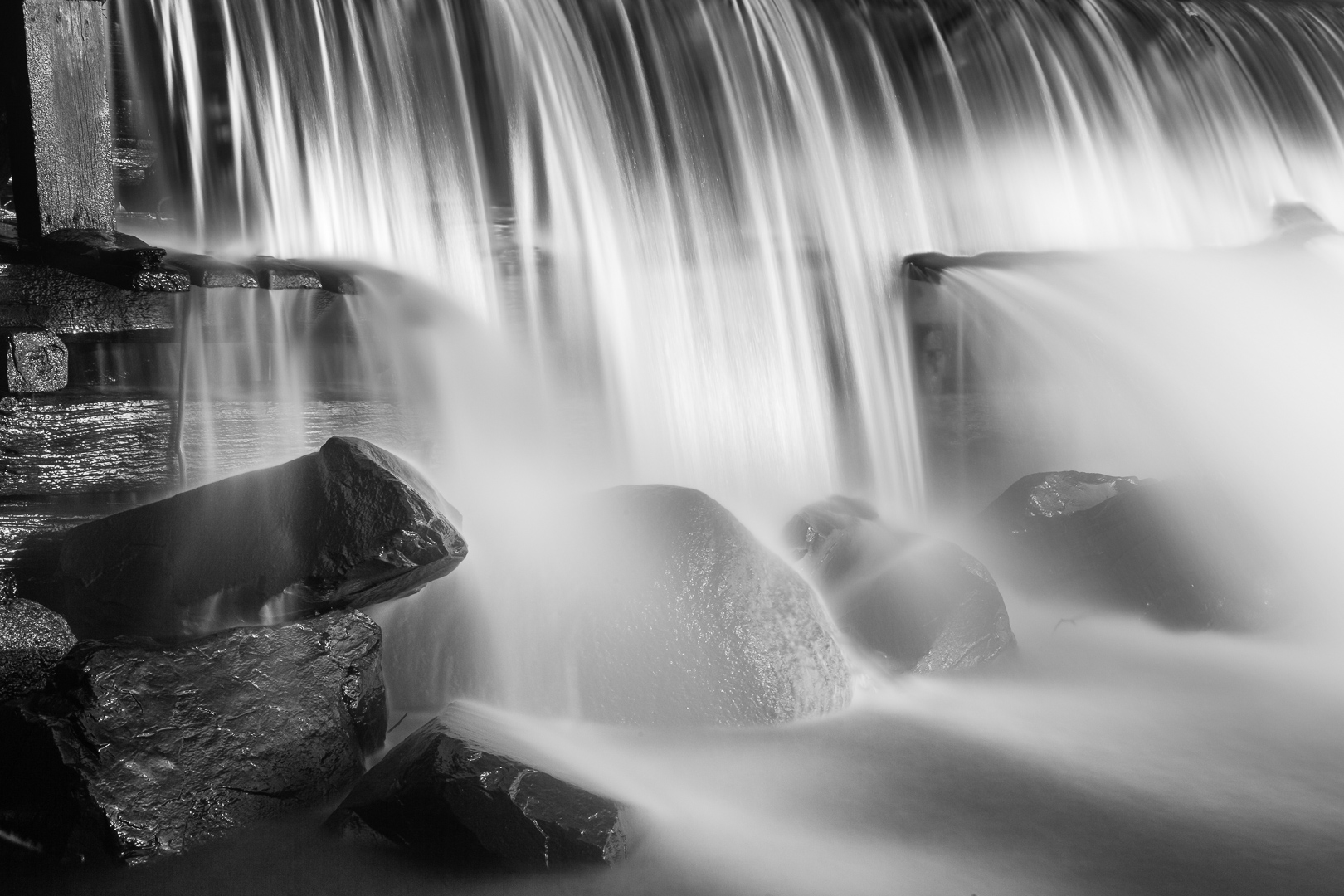
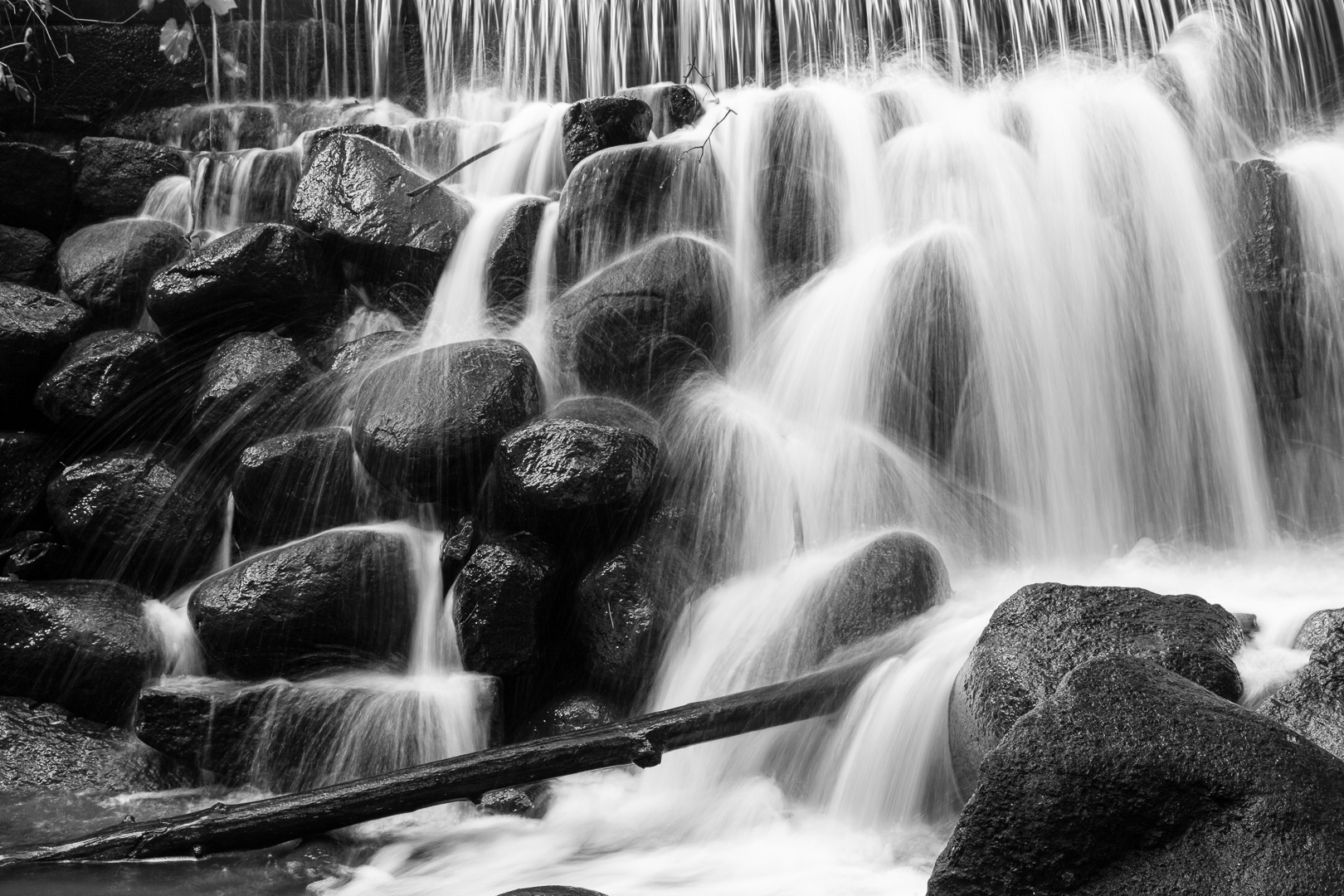
You can also use longer shutter speeds with the appropriate light, usually earlier in the morning, later in the day, or on an overcast day, to create dreamy soothing water fall images. Note you may also require the use of an ND filter to slow the shutter speed down to the desired value. As the temperatures increase and the snow begins to melt as well as some rain, there will be lots of waterfall action to experience.

Get out there and practice by slowing down and looking for some interesting subjects. Then make them stand out by giving more attention to composition.

Although you can use post-processing software to convert your colour images to monochrome, but, If you haven’t been doing much shooting in monochrome, it’s a good idea to be able to preview your images on the camera in “monochrome” to help you visualize the result as you are shooting. To see the your image in “monochrome” on the camera LCD it requires you to change a camera setting, typically under your camera’s picture style menu.

The examples below are two procedures to show you how to change the Camera settings to shoot in monochrome:

  • As an example, to change the “Picture Style” setting on a Canon T6i to “M” (monochrome), (see the manual starting on pg 125), press the down arrow (picture style) button, on the back of the camera, and then press the right/left arrow buttons, on the back of the camera, to pick the “M” (monochrome) and then press “set” to choose the selected picture style. Before pressing “set”, you can also press the “info” button to change the sharpness, contrast, filter effect and tone effect (example sepia) as well. (Warning: It is important to know that when shooting in “Jpeg”, with the picture style set to monochrome, the captured image will not contain any colour information, therefore, remember to change the “Picture Style” option back to the previous setting such as “S” (standard) when done shooting monochrome images to allow capturing any new images in colour.) Note when shooting in “RAW” the colour information is retained.
  • As an example, to change the “My Colors” setting on a Canon SX30, (see the manual pg 79); press the “func/set”, on the back of the camera, then use the up/down arrow buttons to choose the “My Colors” option. Then press the right/left arrow buttons to pick the “Se” (sepia) or “BW” (black&white) option and then press “func/set” to choose the selected option. (Warning: It is important to know that when shooting in “Jpeg”, with the My Colors option set to Se or BW, the captured image will not have any colour, remember to change the “My Color” option back to “OFF” when done shooting monochrome images to allow capturing any new images in colour.)

Students are encouraged to develop their ability to tell a story or invoke an emotion, as well as how to plan and troubleshoot while creating their images. As such it’s important to not only create the image but to also include a “title”, and write a short paragraph about; how they came up with the idea, any interesting back ground that compelled them to make the image, and describe any techniques on how they overcame any obstacles.

As always with our monthly theme challenges we try to seek out additional instructional resources. Below are some YouTube video links to give you more hints and ideas.
The Secret to Black and White photography success By: Nigen Danson (16min 33sec)
Black and White Photography in the Digital Era B&H Event Space Speaker: Harold Davis (38min 15sec)

An important part of improving your photography is practice, which is one aspect of the monthly theme challenge in addition you have an opportunity to learn about different genres, techniques and tips.