Unknown's avatar

About tgawalt

I am a photographer growing as an artist associated with Dream Imagine Believe Photography and You Can Learn Photography.

January Theme Challenge – “Out and About”

For this month, January 2026, the theme challenge is “Out and About”. This month’s challenge is intended to get you out doors to capture some images at a location close to where you live. The theme is very general so you can pick pretty much any subject or genre. It’s to encourage you to get out and take some images while having some fun. One of the example photos shown here is of a Wood Duck at Henry Findlay Park near the end of Lake Banook in Dartmouth Nova Scotia. The lake water in this location is close to a lock, part of the Shubenacadie Canal, that feeds into Sullivan’s Pond which has continually moving water and typically doesn’t freeze over unless it’s very cold. As a result a great place to photograph ducks during the winter months.

Come up with your own idea, which may require little planning or maybe none at all depending on what you decide to photograph on any given day. Let’s see where you go and what you can create this month, then include us in your success, share the images you’ve created this month.

Examples

Ducks: Below are duck photos taken at Findlay Park; Wood Duck male, Mallard Duck male, and a Greater Scaup Duck female.

Some suggested techniques;
■ be patient; wait for the duck to isolate itself
■ use a longer focal length 200mm – 600mm
■ use fstop f/5.6 – f/11
■ use manual or shutter priority mode
■ shutter speed; 1/500 – 1/2000 depending on subject movement
■ get low, stay away from bird feces to minimize transfer of avian influenza
■ focus on the eye
■ expose for the highlights (adjust your ISO)


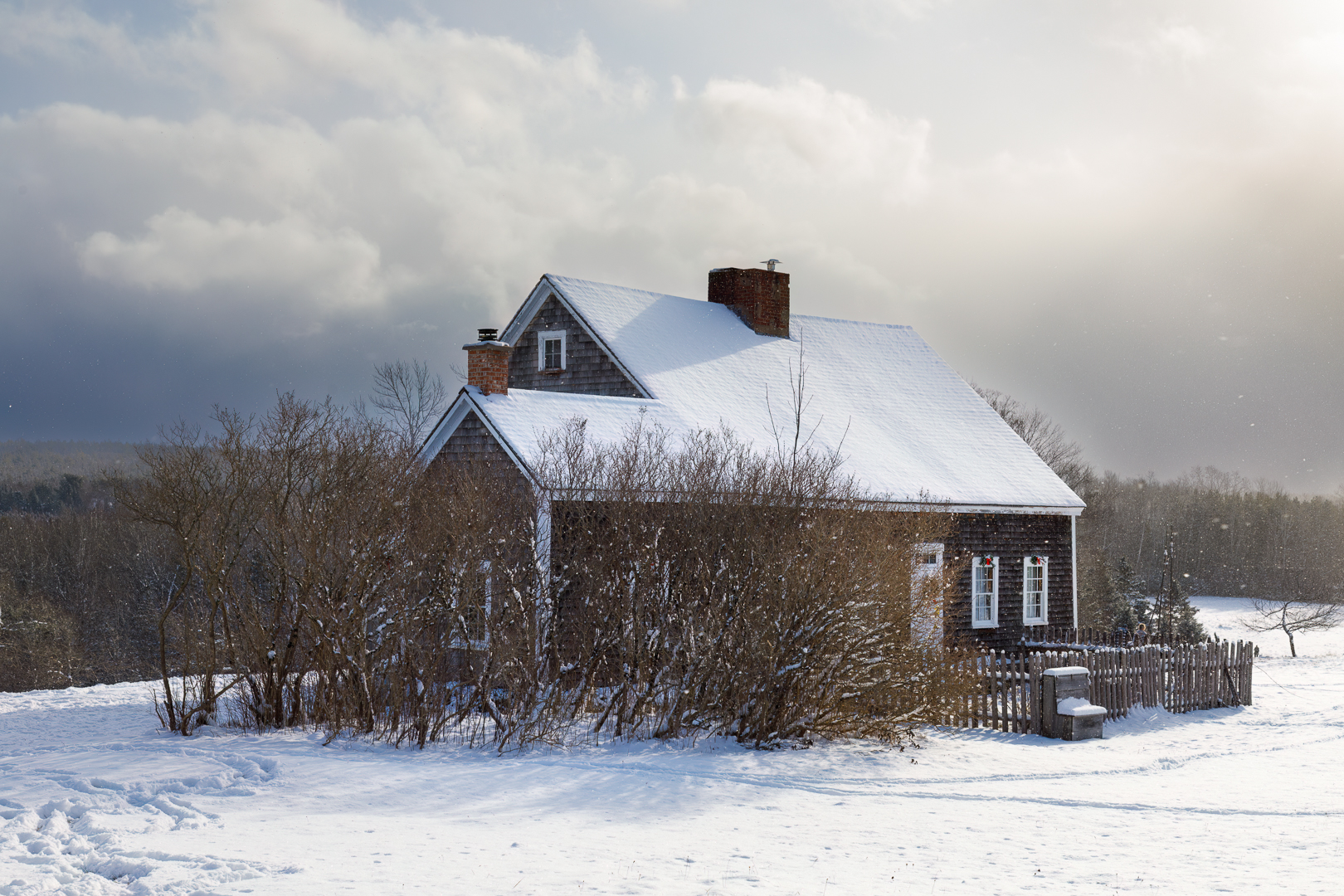
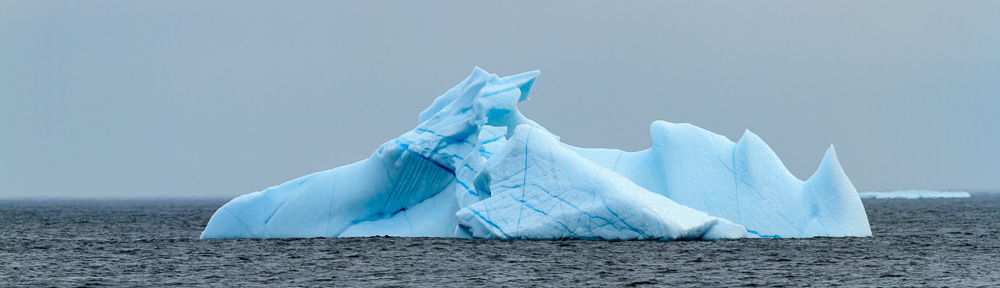
A Local Town: Keeping with the versatility of this month challenge try visiting a local town and create some images of anything that catches your eye. Even on the way to your chosen destination you may have an opportunity to capture some wildlife. In Chester Nova Scotia there are many opportunities for images; a military monument, a Black Guillemot (non-breeding), Meisner’s Island, Some Tug Boat details (axe and rope), and finally an image of the 2024 Polar Dip which was held at Chester Yacht Club.


Equipment care: Taking your camera gear from a warm environment to the outside usually does not cause any issues, however when going from the cold back into a warm environment is where condensation can quickly form on your camera/lens and this is where it can be harmful to your gear eventually causing spots on your external and more seriously the internal lens elements which eventually causes mold. Before going in to a warm environment from the cold, place your camera/lens back inside your camera bag (your bag needs to be padded with zipper closed) this will allow your gear to raise in temperature slowly and therefore condensation will not happen. An additional protection tip is to put your camera/lens in a double Zipper Seal (Dollarama 33cmx39.6cm / 13″x15.6″) bag, this will allow the condensation to form on the outside of the bag and not on your camera/lens. Condensation will occur going from the cold outside into a warm building or into a vehicle. You can keep the temperature of your vehicle cooler to minimize the effect.

Stay Warm: To enjoy your time out in the cold dress in layers with thermal socks for your feet and gloves that allow you to operate your camera and keep your hands warm. If you are in icy conditions use crampons or cleats on your boots, they will keep you from falling so you don’t get hurt or break your gear.


Additional Resources

As always with our monthly theme challenges we try to seek out additional instructional resources, below are some YouTube video links to help with some tips, hints and ideas:
The most Important wildlife photography tip By: Simon d’Entremont (8min 5sec)
How to find Photo Subjects (regardless of where you live) By: Kyle McDougall (13min 42sec)
How To Take Banger Photos In Boring Places By: Hunter Creates Things (11min 38sec)


You’re encouraged to develop the ability to “tell a story or invoke an emotion, as well as learn to plan and troubleshoot while creating images.

  • It’s important to not only create an image but to also include a “Title”, this process helps with; determining your subject or story, and composition.
  • Try writing a short paragraph about; how you came up with the idea, any interesting back ground that compelled you to make the image, and describe any techniques how you overcame any obstacles.
  • Do some research and include any relevant information behind the subject of your image. This helps with planning and your approach for a story

An important part of improving your photography; practice, practice, practice one of the important aspects of the monthly theme challenge, in addition you have an opportunity to learn about different genres, techniques and tips that you may not be familiar with.


Share your images and stories experienced this month

Even though this website is not setup to directly upload your images, you can achieve something similar by commenting on the post; paste your social media or google drive link to your image in the comment, then type any additional message you’d like to share. Everyone who visits will be able to visit your link. Note comments are moderated so it will not show up right away. We do get notifications when any comment is posted, so it won’t take long to get approved and have your comment subsequently show up. By pasting your social media or google drive link in your comment, it gives everyone visiting the blog a chance to click the link to see your image for the challenge and also the ability to look at your other work by viewing your social media through your pasted link. We want sharing to be a positive experience and we hope you have fun with this month’s photo challenge.
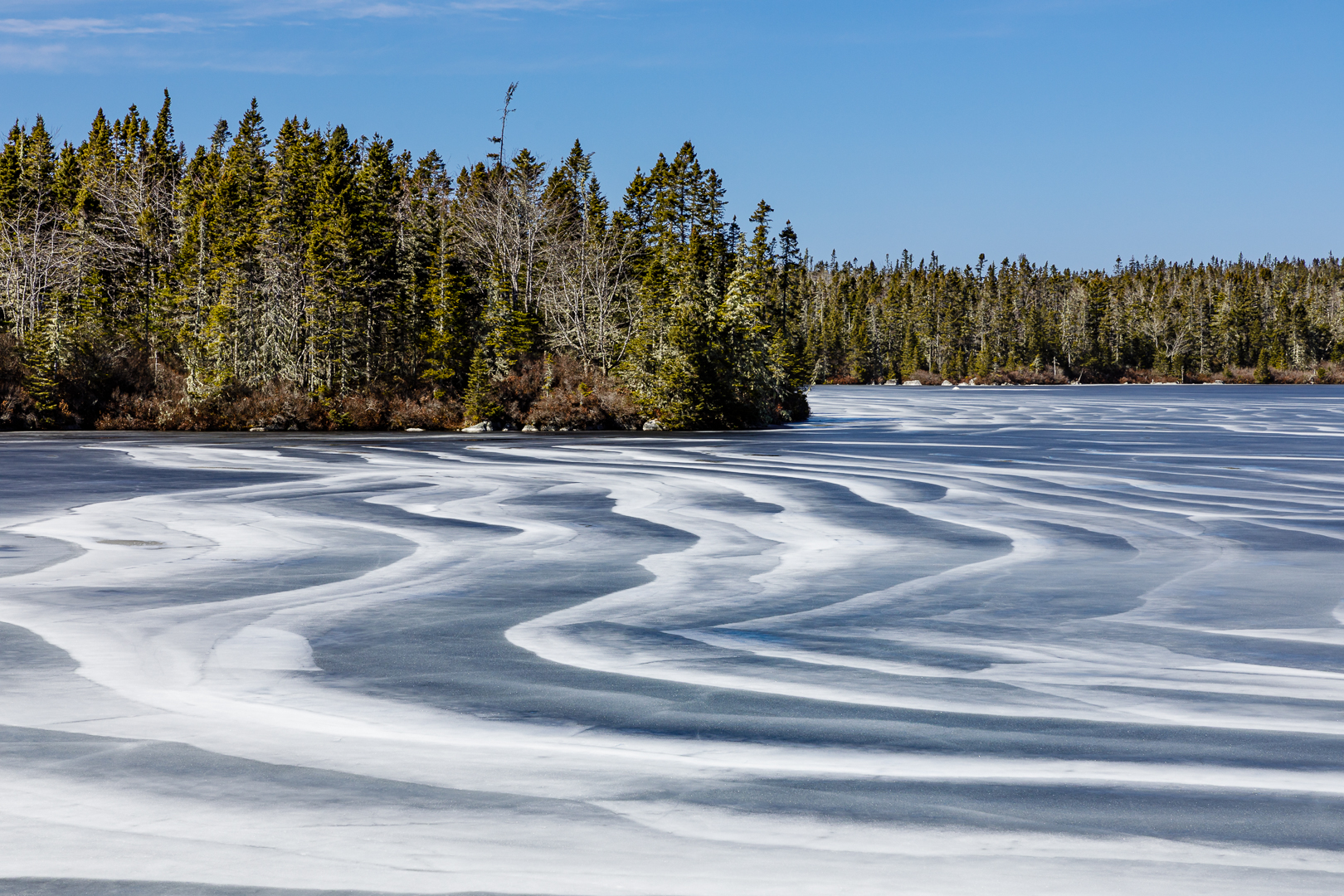
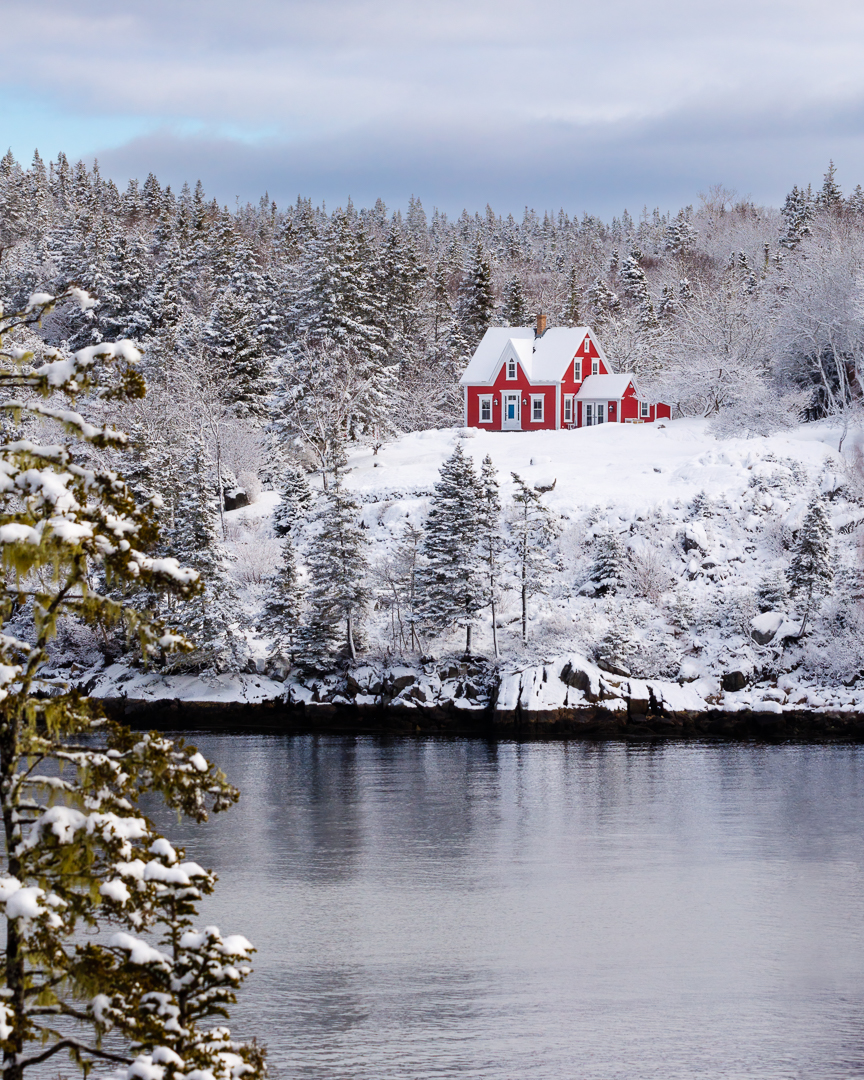
October Theme Challenge – “Long Exposure”

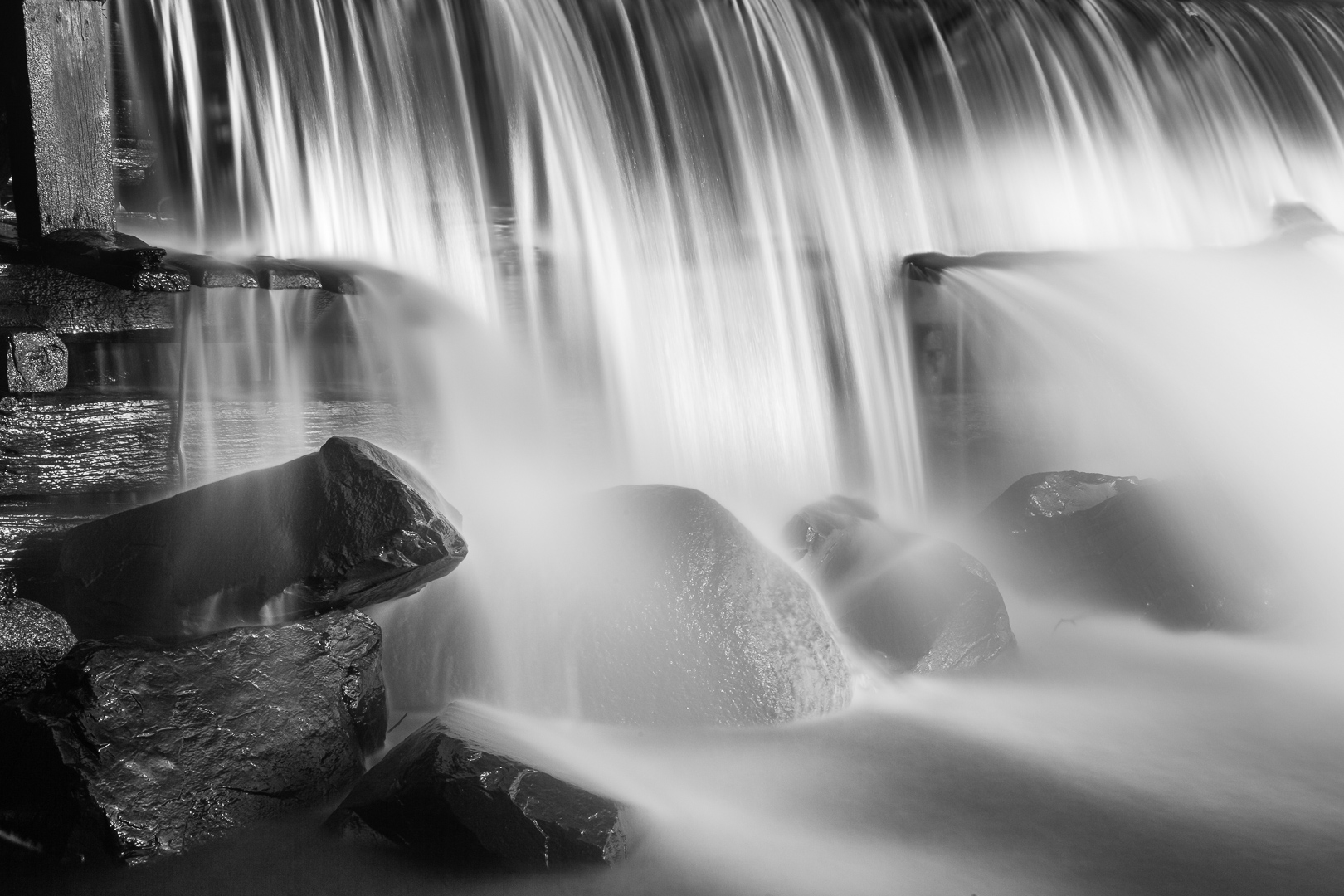
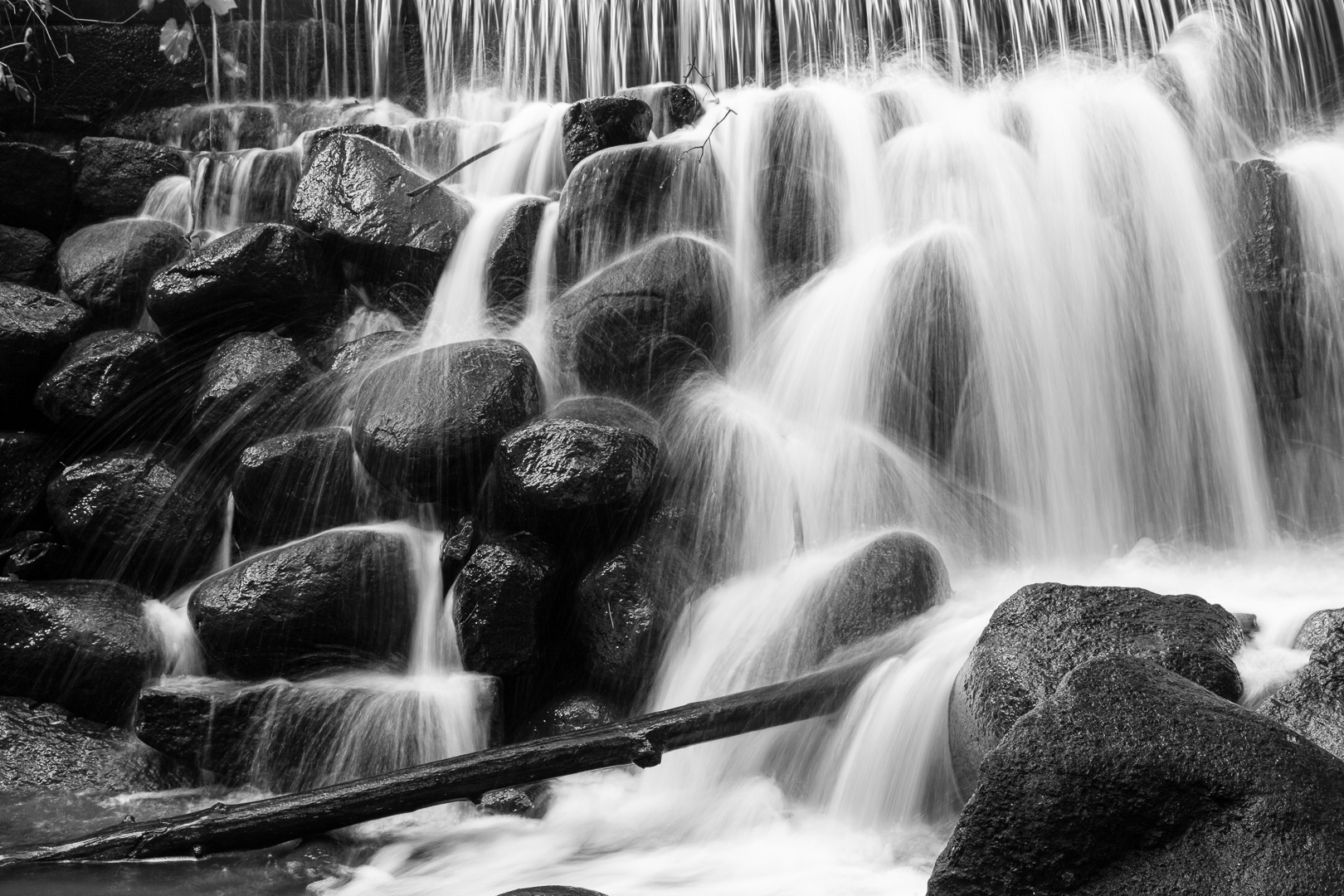
For this month, October 2025, the theme challenge is “Long Exposure”. This month’s challenge is intended to get you out doors to create some images showing motion which creates a calming feeling for your viewer. A Long Exposure is considered to be a photograph that uses a longer than usual shutter speed typically slower than 1/30 of a second even up to as long as many minutes. The goal is to include stationary subjects combined with elements that move within your frame to provide the viewer with a feeling of movement and/or calm. To obtain slower shutter speeds requires reducing the amount of light reaching your sensor which can generally be achieved by shooting at a specific time of day or by using neutral density (ND) filters.

This will require a bit of planning but the effort you put in will be rewarding. Let’s see where you go and what you can create this month, then include us in your success, share the images you’ve created this month.


Some Considerations

Here are a few tips and camera setting suggestions to help with your success.

Long Exposure Photography:
■ Choose your subject and composition that supports your idea
■ Shoot early or later in the day to avoid the use of ND filters
■ Use a Tripod
■ Use a wired remote shutter
■ Consider your depth of field, remember it’s not just aperture, also consider focal length and distance to your subject to obtain a sharp image front to back.
■ Expose for the highlights
■ Some post processing maybe required to brighten the shadows unless you are creating a silhouette

Camera Settings: Typically these types of images require the use of Manual Mode. Start with your shutter speed that supports now much motion that you want to obtain. Set the ISO at 100, then choose a Focal Length and Aperture that supports the required depth of field. Then adjust your ISO to obtain the required final exposure. Use a tripod and remember to check your image to make sure your intended main or supporting non-moving subject is sharp.


Example Images

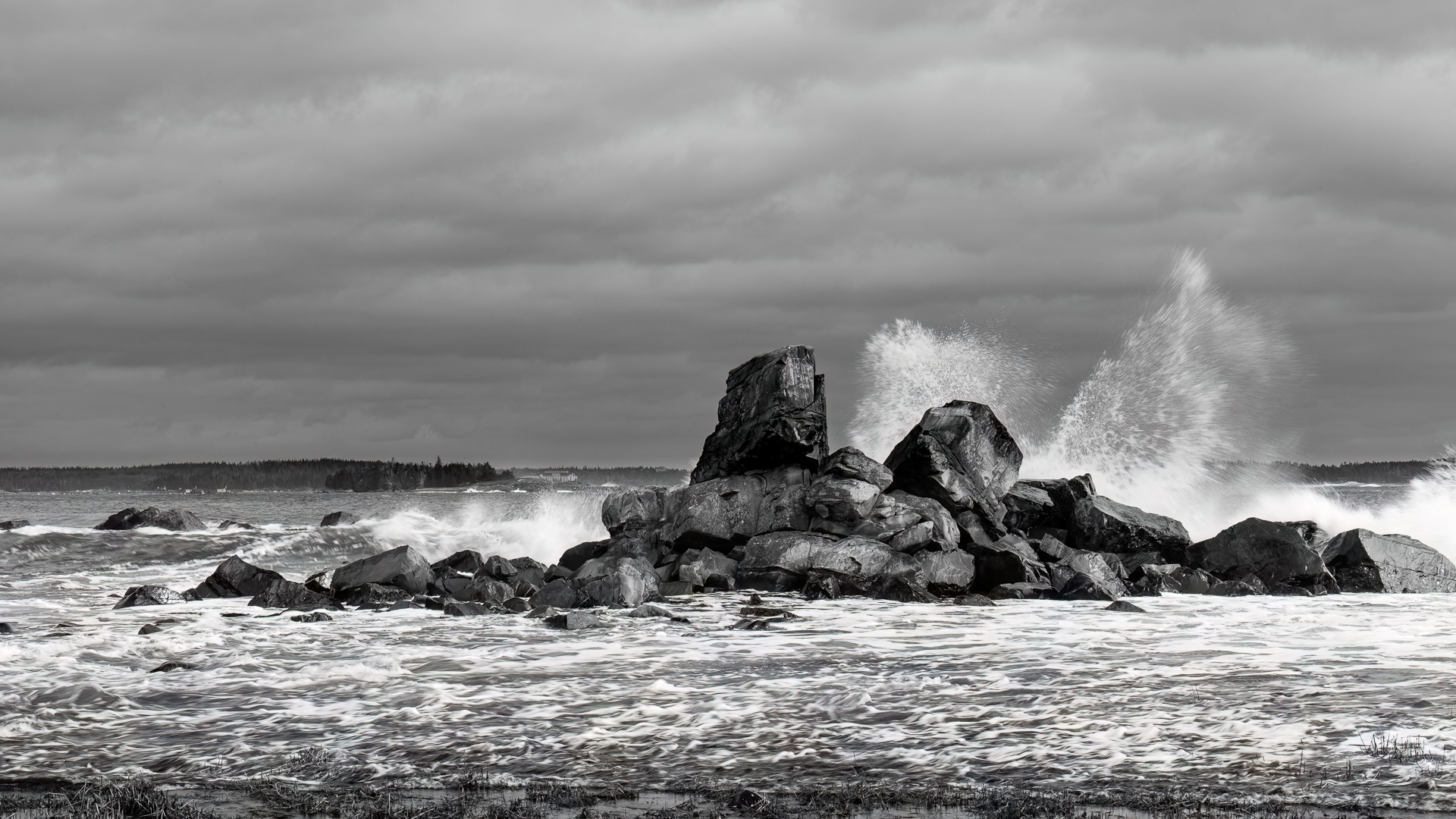
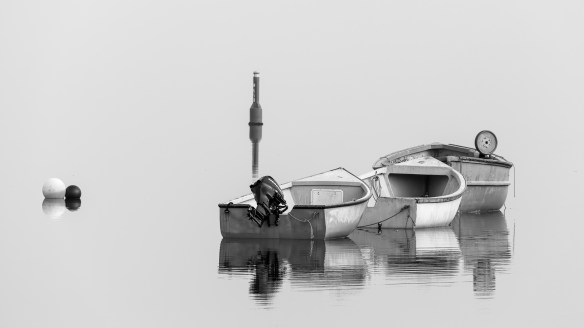
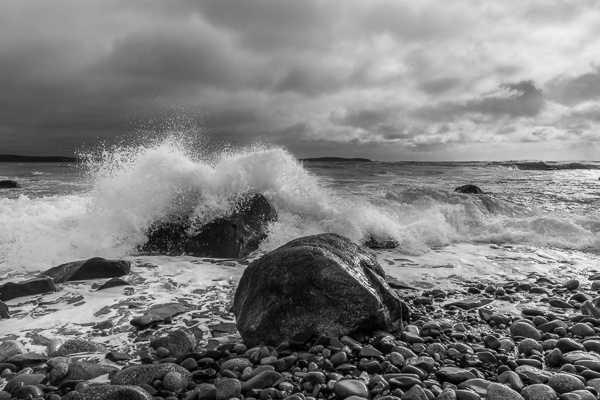
At The Beach: Below are examples of using a long exposure to show the motion of the water as it wraps around rocks or recedes from the beach back to the ocean. The shutter speed for these types of images range from .5 seconds to 2 seconds. The key to get the receding water is to wait until the water begins to recede then start push the shutter.


Light Trails: You can show a different type of activity in a city by capturing vehicle light trails as they move along the road. For your safety; avoid the known higher crime locations, go out with a buddy or in a group, and limit your gear.


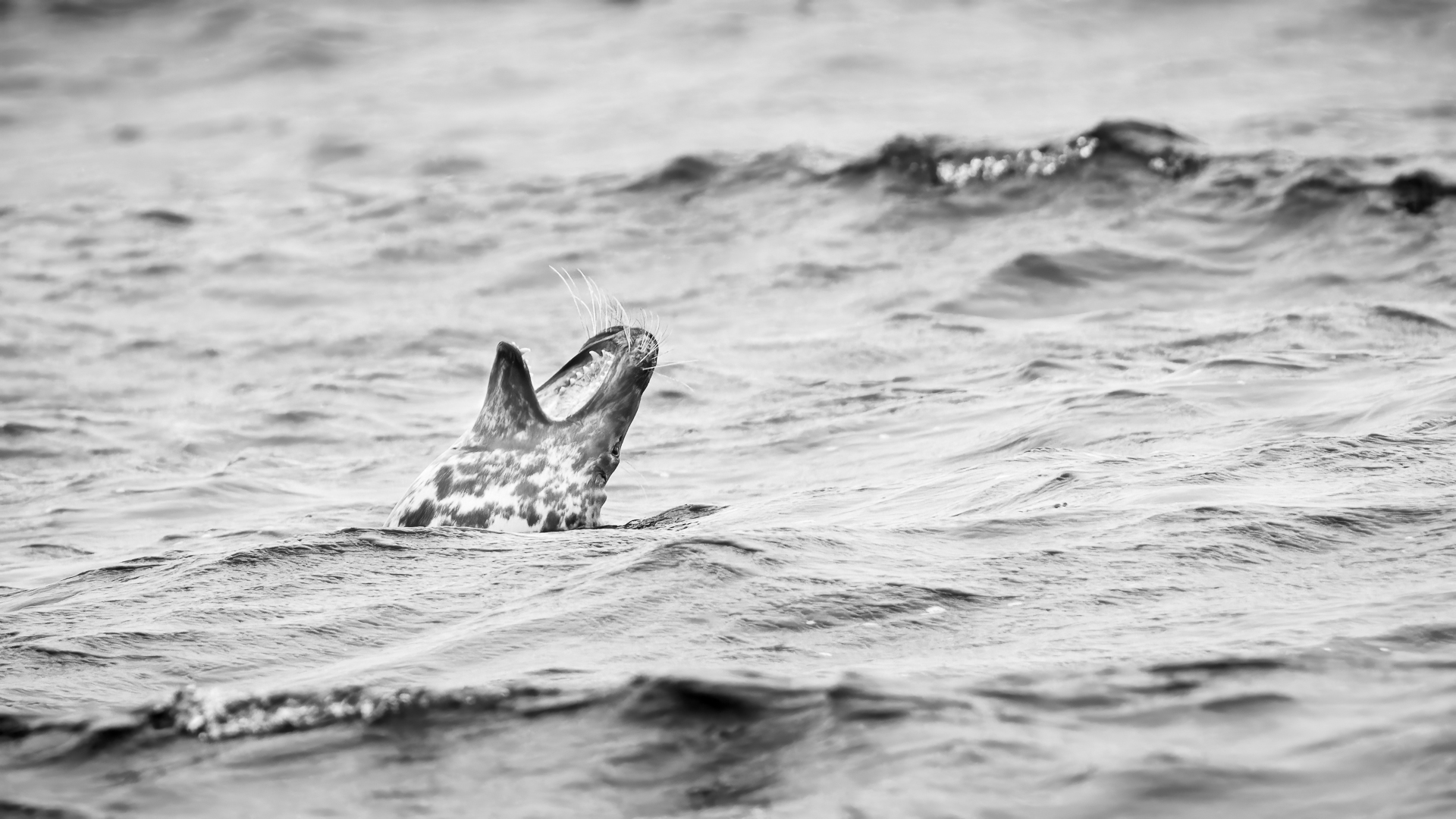
Panning: This technique is created by moving the camera in sync with the subject you are tracking with continuous focus. This technique takes some practice and requires you to use a shutter speed from 1/30 of a sec to 1/3 of a second then focusing on the subject while following the subject smoothly as the subject passes while shooting 3 or 4 frames. Depending on the situation and subject your hit rate may be low but when you nail the shot it’s exciting. You can pan other subjects too, can also pan waves.

You are not limited to what has been discussed here, there are other techniques such as “Intentional Camera Movement“, “Waterfalls“, even longer exposures to create “Minimalist” images as well as “Fine Art” images. Use your imagination and you will have a lot of fun.


Additional Resources

As always with our monthly theme challenges we try to seek out additional instructional resources, below are some YouTube video links to help with some tips, hints and ideas.
Long Exposure Photography instructional aids:
The Ultimate LONG EXPOSURE Photography Guide By: First Man Photography (58min 4sec)
Simple Tactics to Nail your Long Exposure Photography By: First Man Photography (27min 52sec)
How To Make LONG EXPOSURE Fine Art Landscape Photography By: Mads Peter Iversen (13min 18sec)
Being Creative With Motion Blur In Photography By: The Photographic Eye (17min 47sec)
How to Photograph Waterfalls – Landscape Photography By: Jeffrey Tadlock Photography (20min 09sec)


You’re encouraged to develop the ability to “tell a story or invoke an emotion, as well as learn to plan and troubleshoot while creating images.

  • It’s important to not only create an image but to also include a “Title”, this process helps with; determining your subject or story, and composition.
  • Try writing a short paragraph about; how you came up with the idea, any interesting back ground that compelled you to make the image, and describe any techniques how you overcame any obstacles.
  • Do some research and include any relevant information behind the subject of your image. This helps with planning and your approach for a story

An important part of improving your photography is practice, practice, practice which is one important aspect of the monthly theme challenge, in addition you have an opportunity to learn about different genres, techniques and tips that you are not familiar with.


Share your images and stories experienced this month

Even though this website is not setup to directly upload your images, you can achieve something similar by commenting on the post; paste your social media or google drive link to your image in the comment, then type any additional message you’d like to share. Everyone who visits will be able to visit your link. Note comments are moderated so it will not show up right away. We do get notifications when any comment is posted, so it won’t take long to get approved and have your comment subsequently show up. By pasting your social media or google drive link in your comment, it gives everyone visiting the blog a chance to click the link to see your image for the challenge and also the ability to look at your other work by viewing your social media through your pasted link. We want sharing to be a positive experience and we hope you have fun with this month’s photo challenge.